
Last updated November 5, 2026
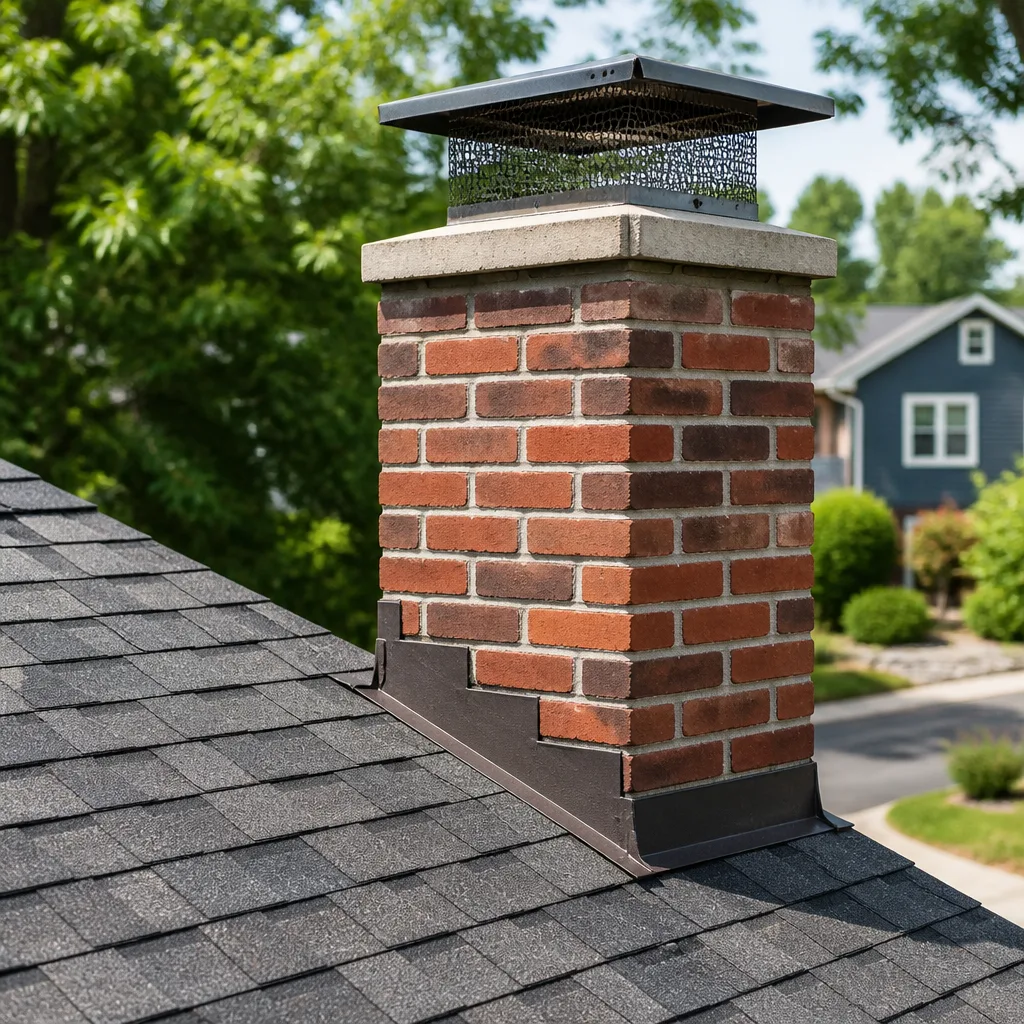 Sweep & inspection
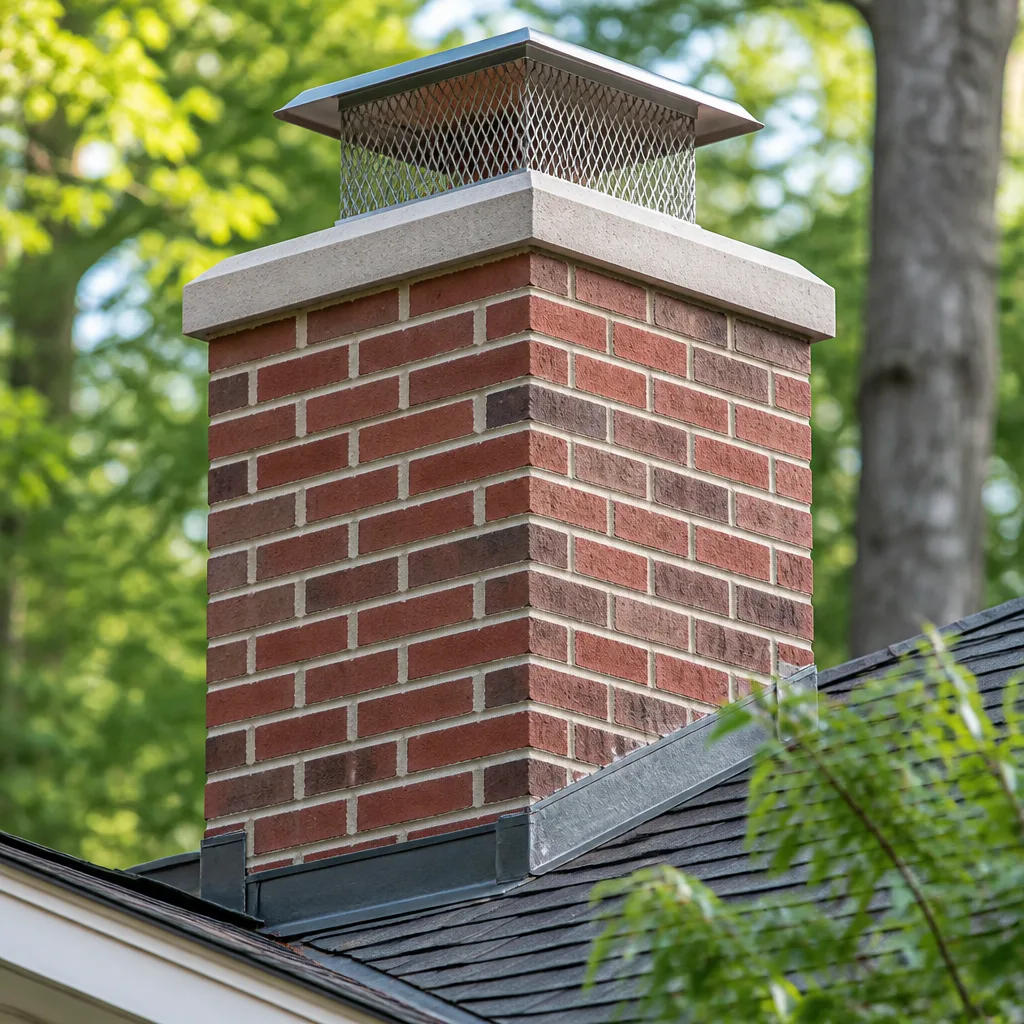 Caps & crowns
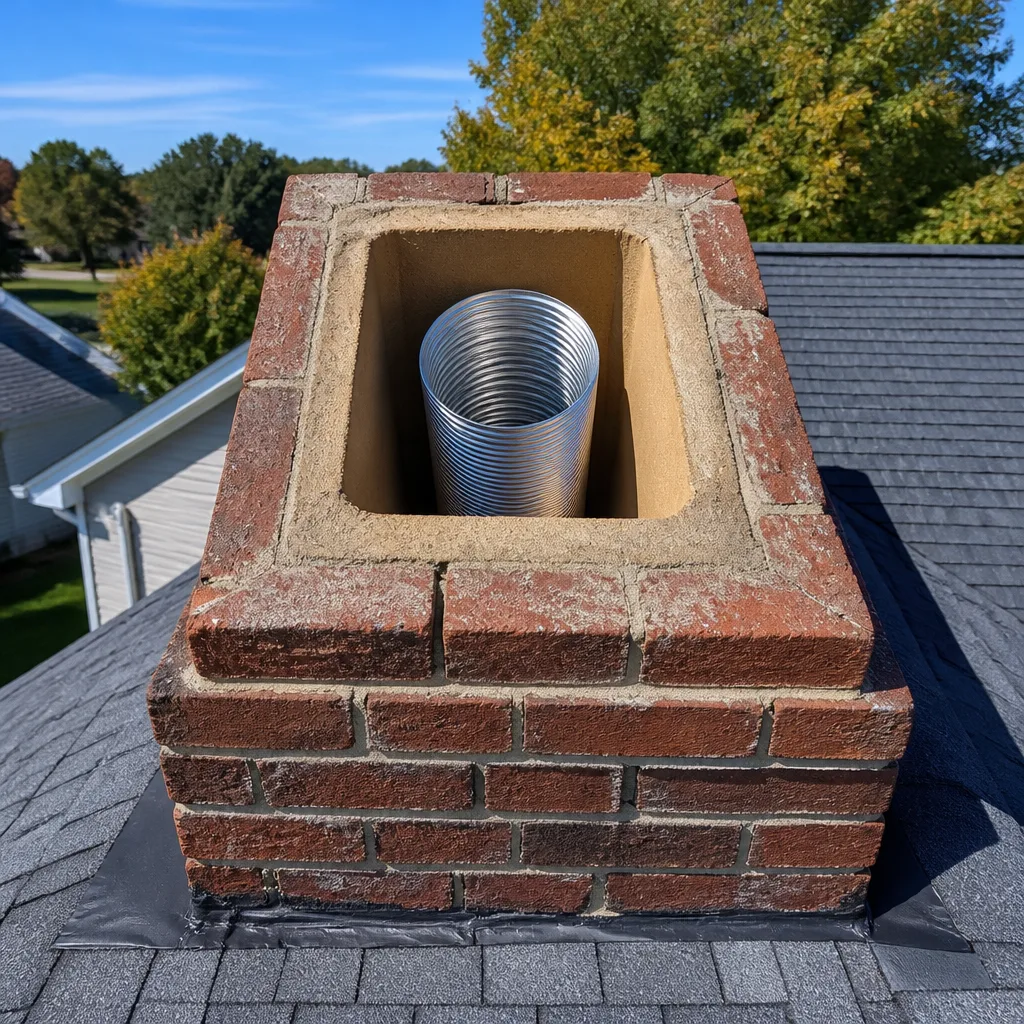 Flue relining
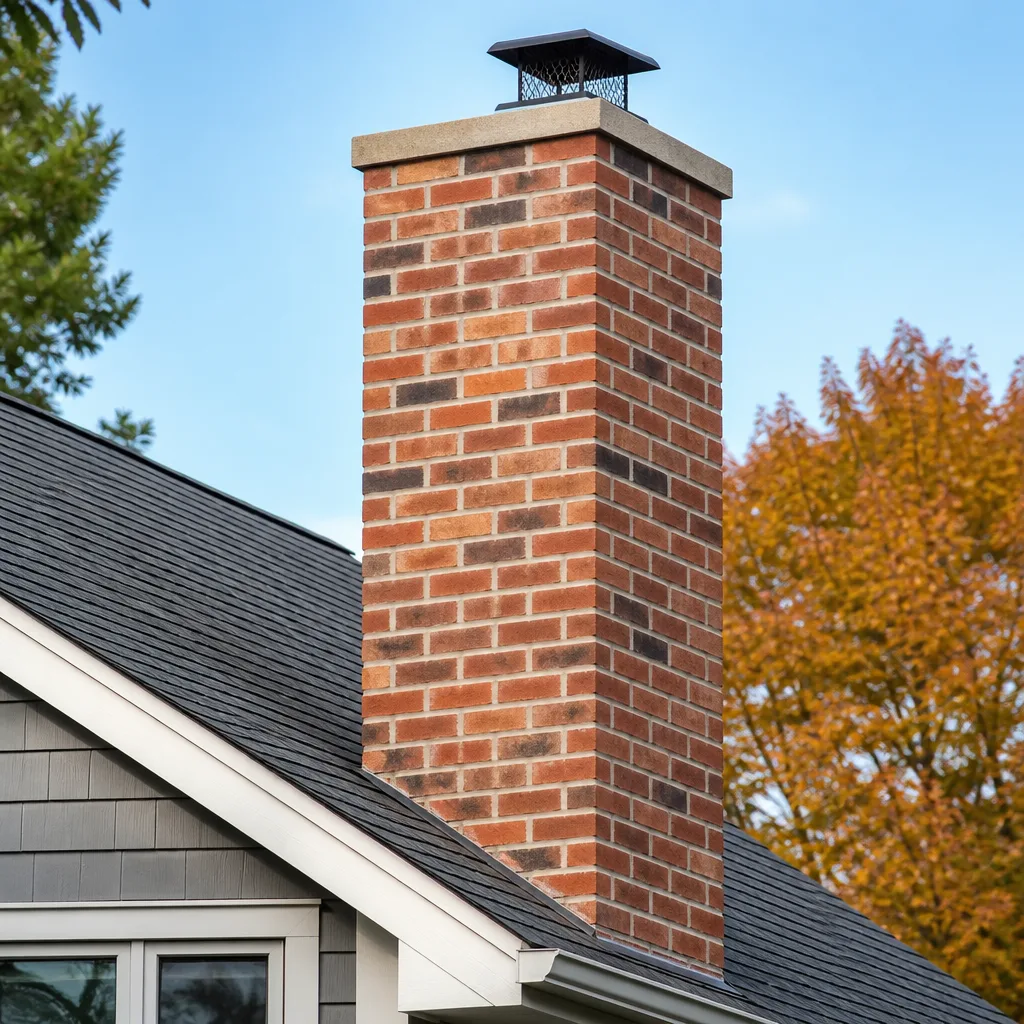 Masonry repair
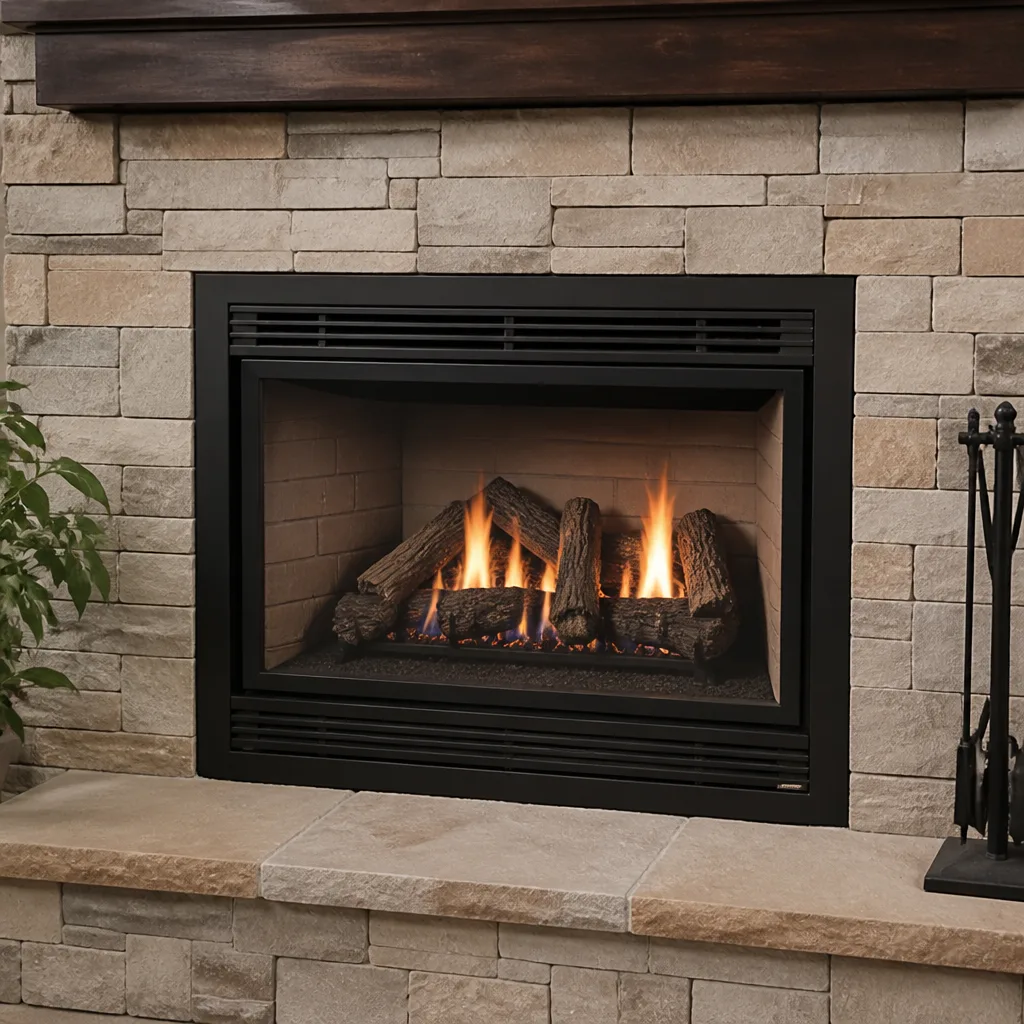 Gas fireplace service
Level 1 sweep and inspection to the NFPA 211 annual standard - flue, crown, cap, and flashing checked and photographed
Chimney sweep logs do not sweep chimneys. They loosen some creosote - which then falls where a brush and vacuum still have to collect it.
Chimney Sweep Maintenance Schedule: What to Do and When
The NFPA recommends a chimney inspection every year, and most homeowners in Los Feliz interpret that as “sweep it once before winter.” That’s the minimum, not the standard. If you burned forty or fifty fires between November and March, your flue accumulated creosote at a rate the calendar doesn’t account for. This guide builds a maintenance schedule around how you actually use your fireplace, not a one-size-fits-all recommendation written for the national average.
Quick Answer
A wood-burning fireplace in Los Feliz should be swept after every 40 to 50 fires, or at minimum once per year before the burning season starts. Gas fireplaces need an annual inspection, but a full sweep is usually only needed every two to three years. Homes with pre-1970s clay tile liners should add a camera inspection to that schedule, because liner degradation changes the timeline entirely.
Styles & brands we work with
- Sweep & inspection
- Caps & crowns
- Flue relining
- Masonry repair
- Gas fireplace service
Table of Contents
- The Real Sweep Schedule for Wood-Burning Fireplaces
- Why Gas Fireplaces Need a Different Timeline
- How Your Liner’s Age Changes Everything
- A Month-by-Month Maintenance Calendar for Los Feliz
- What You Can Do Yourself vs. What Needs a Technician
- Signs You Need an Off-Cycle Sweep
- Dryer Vents Follow a Parallel Schedule
- Common Mistakes to Avoid
- When to Call a Professional
- Frequently Asked Questions
The Real Sweep Schedule for Wood-Burning Fireplaces
The annual-sweep guidance assumes roughly one fire per week during a cold season. That works for a household that burns a cord of wood each winter. It does not work for a Los Feliz homeowner who treats the fireplace as a primary heat source on chilly evenings from Thanksgiving through February, or one who burns less-dense local hardwoods that smoke more than the kiln-dried eastern oak most guides assume.
Creosote builds by combustion cycle, not by calendar month. Every fire deposits a layer of tar and soot on the flue walls, and that layer hardens as it cools. A fireplace that sees three fires per week in January and February can produce the same creosote load in eight weeks that a casual fireplace produces in a full year. That is why we tell our regular sweep clients in Los Feliz to count fires, not months.
Here is the practical benchmark: if you burn more than one face cord (a stack roughly four feet high by eight feet long by 16 inches deep) in a season, schedule a mid-season sweep in addition to your pre-season one. A face cord equals roughly 40 to 50 fires in a typical open-hearth fireplace. Cross that threshold and you are past the point where a single annual cleaning keeps the flue safe.
For lower-use households (fewer than 25 fires per year, burned primarily for ambiance rather than heat), an annual sweep is genuinely sufficient. The key is honesty about usage. We have swept fireplaces in Los Feliz that looked nearly season-ready two years after their last cleaning, and others that needed attention after a single heavy-use month.
What a Mid-Season Sweep Involves
A mid-season sweep is not a full inspection. It is a targeted creosote removal, typically taking 45 to 60 minutes, focused on the flue walls where buildup accumulates fastest. It should include a brush pass, vacuum collection at the firebox, and a quick visual check of the damper. It is the maintenance equivalent of an oil change between annual services. If you are a two-cord household, plan one around late January.
Why Gas Fireplaces Need a Different Timeline
Gas fireplaces do not produce creosote, so the standard wood-burning sweep schedule does not apply. But the assumption that gas flues never need attention is wrong, and it is especially wrong in older Los Feliz homes where gas logs were retrofitted into fireplaces originally built for wood.
Gas combustion produces water vapor and acidic byproducts. In a properly sized, properly lined flue, those byproducts vent harmlessly. In an older chimney with an unlined or partially lined flue, or one with a clay tile liner that has cracked, the acidic condensate attacks the masonry from the inside. That is called condensation corrosion. It looks like white or gray efflorescence on the exterior of the chimney, and inside it appears as spalling: clay tiles flaking, mortar joints eroding, and brick faces turning soft and sandy.
We inspect gas fireplace flues on the same annual schedule as wood-burning ones, but we do not sweep them as often. A gas flue needs a brush sweep every two to three years in normal use, primarily to remove dust, soot from a dirty burner, and any debris that entered through the cap. The more important check is visual: is the flue holding up structurally, and is the cap still attached and screened properly?
Homes in the older Los Feliz hillside pockets, many built between 1920 and 1960, often have gas log sets installed in chimneys that were never designed for the moisture gas produces. If you live in one of those, annual inspection is not optional. The chimney may be the original unlined masonry, and gas exhaust will eat at it slowly. A camera inspection during the annual service shows what is happening in there before the damage shows on the outside.
How Your Liner’s Age Changes Everything
The age and material of your flue liner is the single biggest variable in a maintenance schedule, and it is one that generic chimney advice almost never addresses. In Los Feliz, housing stock splits roughly along a 1970 line. Homes built before 1970 commonly have terra cotta clay tile liners, which was the standard material of the era. Homes built after 1970 are more likely to have stainless steel liners or no liner at all if the chimney was originally designed for a decorative fireplace only.
Clay tile liners degrade in a predictable way. Heat cycling causes hairline cracks. The cracks admit moisture and creosote into the spaces behind the tile, and over decades they widen. A clay tile liner in a heavily used fireplace typically lasts 30 to 50 years before it needs major attention. That means a Los Feliz home built in 1950 is now in the window where liner failure is expected, not unusual.
If your chimney has a clay tile liner and is older than 30 years, add a camera inspection to your annual sweep. The camera shows whether cracks are superficial or structural. Superficial cracking can be managed with HeatShield resurfacing, a ceramic coating we apply to the interior of the flue to seal gaps and restore a smooth surface. It is a same-day repair for us, done with the HeatShield system and equipment we keep on our work vehicles. Structural failure, where tiles have shifted or the flue is compromised, requires a new liner. We install DuraFlex flexible liner systems directly, which means the job finishes the same appointment, not days later after parts arrive.
A stainless steel liner in a Los Feliz home has a simpler schedule. It is rated for decades of use, and the maintenance task is inspection of the cap and connection points at the top and bottom. A steel liner rarely needs resurfacing. What it needs is verification that it is still attached, still insulated properly, and still the correct size for the appliance feeding it. That is a visual and camera check, done as part of the annual service.
What Degrading Clay Liner Looks Like
- Thin, sand-like grit accumulating in the firebox after a fire
- Flakes of terra cotta-colored material visible at the base of the flue
- A “rain of sparks” pattern when a fire burns hot and pieces of tile pop loose
- White efflorescence staining the chimney exterior, indicating moisture moving through the masonry
- A musty or acrid smell from the fireplace even when it has not been used recently
Any one of these is a reason to move your next inspection up. The liner does not repair itself. Waiting until the tile fails completely turns a resurfacing job into a full relining, which is a larger project.
A Month-by-Month Maintenance Calendar for Los Feliz
Los Feliz does not have a harsh winter, but it has a distinct burning season. The days are mild, the nights cool enough to justify a fire, and the season is short, typically late November through February. That short season shapes the maintenance calendar. In colder climates, the sweep happens in fall because the heating season runs six months. Here, the window is tighter, and late summer is the right time to prepare.
August to September: The Optimal Sweep Window
This is the best time to schedule a chimney sweep in Los Feliz. The weather is warm, the flue is dry from months of disuse, and creosote from the previous season has fully hardened. A dry, brittle creosote layer brushes off cleanly. The warm temperatures also mean the technician can access the roof safely without dealing with rain or heavy dew. By booking in late summer, you avoid the October-to-December rush when every homeowner in the neighborhood simultaneously remembers the fireplace exists. A sweep in September means your first fire in November burns clean.
October: Cap Inspection and Damper Check
Before regular use begins, check two things: the chimney cap and the damper. The cap is the screened cover at the top of the flue that keeps out leaves, birds, and debris from the mature trees that line many Los Feliz streets and hillside lots. A damaged or missing cap means you will light the first fire of the season and discover the flue is obstructed. The damper should open fully and close tightly. A damper that sticks open leaks warm air out of the house; one that is frozen closed makes the fireplace unusable. Both checks are quick and visible from the firebox or roofline. If anything looks off, October is the time to address it, before the burning season begins.
November to February: Active Season
Burn normally. Keep count of fires, especially if you are a heavier user. If you cross the one-face-cord threshold around late January, schedule a mid-season sweep. During this period, watch for any change in how the fireplace draws: a sluggish start, smoke rolling back into the room, or an odor during rain. Those are signals that something has changed in the flue and needs a look before the next burn.
March to April: Post-Season Assessment
Once you stop burning regularly, the fireplace sits unused for six months. That is the right time to schedule any repair work identified during the season. A cracked damper, a liner issue found on camera, or a cap that needs replacement can all be addressed in spring, when the roof is accessible and there is no urgency. We often schedule liner resurfacing and cap replacements in March and April, after the burning demand disappears but while the weather still allows clean roof work. This spreads the maintenance cost across the year and means you are not discovering last season’s problem in September.
May to July: Dormant Period
Minimal activity. The flue sits dry, which is good. Creosote does not worsen when the chimney is cold and dry. This is also a fine window for dryer vent cleaning, which follows a parallel schedule and can be done in the same visit as optional chimney maintenance. If you missed the late-summer sweep window, these months are your backup option. The flue is dry, roof access is easy, and there is no seasonal pressure.
What You Can Do Yourself vs. What Needs a Technician
There is a clear line between homeowner maintenance and professional work, and knowing where it sits saves money without creating risk. Here is the split.
Safe DIY Tasks
- Visual cap inspection from the ground or roofline. Use binoculars from the yard if you prefer not to climb. You are looking for a cap that is missing, tilted, or visibly rusting. If the cap is loose, call for repair. Do not attempt to reattach it unless you have safe roof access and the correct fasteners.
- Damper operation check. Open and close the damper fully from the firebox. It should move freely and seat completely. A damper that scrapes or sticks is a hint that the firebox or throat has shifted. Note it and mention it during the next inspection.
- Firebox debris removal. A cold, dry firebox can be swept out with a stiff brush and a shop vacuum. This removes ash and lightweight creosote flakes, not the deposits on the flue walls. Never use a household vacuum with a paper filter on fine ash; use a shop vacuum with a HEPA filter.
- Chimney exterior visual check. Walk around the house and look at the chimney from all sides. You are checking for cracks, spalling brick, loose mortar, or staining that was not there before. Photos help track changes over time.
- Smoke test on the first fire of the season. Light a small fire and watch how it draws for the first ten minutes. If smoke spills into the room or the draw is weak, stop burning and call before using it again. This is a diagnostic, not a repair.
What Requires a Trained Technician
- Flue sweeping and creosote removal. Creosote is flammable, and the flue is enclosed. A professional sweep involves specialized brushes sized to the flue, a vacuum system that collects the material rather than spreading it through the house, and a visual inspection of what came off. We have swept flues in Los Feliz where the creosote was thick enough to chip rather than brush, a dangerous condition that requires mechanical methods.
- Camera inspection. A flexible camera pushed through the flue shows liner condition in detail that no visual check can match. This is not a DIY tool. The footage is what we use to show you whether a liner issue is superficial or structural, and it is the evidence behind any repair recommendation we make.
- Liner repair, resurfacing, or replacement. Both HeatShield resurfacing and DuraFlex liner installation are technical jobs requiring the correct materials, application training, and access. A homeowner cannot do this work. Do not attempt it with sealants or patches from a hardware store.
- Chimney cap installation or replacement. This requires roof work and proper anchoring. A poorly installed cap blows off in the first strong gust, and Los Feliz gets enough wind off the hills to test any installation.
- Any repair involving the firebox, damper assembly, or smoke chamber. These parts are structural. A damper replacement means working inside the firebox with tools and materials that must meet fire-resistance standards.
Signs You Need an Off-Cycle Sweep
Even with a proper schedule, some fireplaces need attention between routine visits. These signs mean schedule a sweep now, not at the next annual appointment:
- Visible creosote: A thick, shiny, tarlike layer on the flue walls is third-degree creosote, the most dangerous form. If you can see it with a flashlight from the firebox, it needs professional removal.
- Smoke backing into the room: This usually means the damper is not fully open, the flue is obstructed, or the fire is not getting enough draft. If the damper is open and the problem persists, the flue is the issue.
- A strong campfire smell when the fireplace is not in use: This is creosote outgassing, especially in humid weather. The humidity amplifies the odor, and the odor means the buildup is significant.
- Slow ignition or a fire that smolders: Wet wood or poor draft causes incomplete combustion, which deposits creosote faster. If your fires have changed character in the last few weeks, the flue may already be restricted.
- Debris falling into the firebox: Flakes of tile, pieces of mortar, or bird nesting material are all evidence that something is deteriorating or obstructing the flue. Do not burn again until it is inspected.
- After a chimney fire: If you hear a loud roaring sound from the flue, see flames at the chimney top, or smell an intense chemical odor, the flue has experienced a chimney fire. Even if it appears unharmed, the liner has been stressed. A camera inspection is mandatory before the next fire.
Dryer Vents Follow a Parallel Schedule
A clothes dryer with a clogged vent is a fire hazard with a different mechanism but the same root cause: lint is flammable, and a restricted vent lets it accumulate where dryer exhaust heat can ignite it. The maintenance principles are identical to chimney maintenance: a known schedule, based on usage, with attention paid to the specific materials involved.
For most Los Feliz households, a dryer vent should be cleaned once a year. Households with long vent runs, older corrugated foil or slinky-style ductwork, or a vent that exits at or above roof level should lean toward twice a year. A vent that exits through a wall directly behind the dryer and uses smooth rigid ducting can often go 18 months between cleanings.
The reason to combine this work with chimney service is practical. A Chimney Sweep Los Feliz visit can include both tasks in the same appointment, which saves you a second scheduling call and ensures both fire-risk points in the house are addressed by the same technician. We replace corroded or damaged dryer vent components using Famco and Gelco parts, which we stock on our vehicles so the repair happens at the time of service. If the vent cap outside is rusted or the ductwork inside has gaps or kinks, we can restore it without a follow-up visit.
Common Mistakes to Avoid
- Assuming one sweep per year is enough for any usage level. A heavy-use fireplace in Los Feliz can need two or three sweeps per season. Count fires, not months, and schedule accordingly.
- Skipping the inspection because you only use gas logs. Gas flues in older homes corrode from the inside. An annual inspection catches condensation corrosion before it gets into the masonry structure.
- Using a household vacuum for ash and creosote cleanup. Fine ash and creosote particles pass through standard vacuum filters and into the room air. Use a shop vacuum with a HEPA filter, preferably one dedicated to the fireplace.
- Burning wet or unseasoned wood. Wet wood burns cool and smoky, which deposits creosote rapidly. In the Los Feliz climate, wood needs to be split and stacked for a full year before it is dry enough to burn cleanly.
- Waiting until fall to think about the chimney. The late-summer window is ideal for sweeps because the flue is dry and creosote brushes off cleanly. By October, the schedule fills up and you may wait several weeks for a prime slot.
- Ignoring a small liner crack because it “isn’t that bad.” Clay tile cracks widen under heat cycling, and what looks minor today becomes structural in a few seasons. A camera inspection tells you whether it is superficial or something to address now.
- Not combining chimney and dryer vent service. Both are fire-hazard elimination tasks. Doing them in one visit means fewer appointments and a single point of accountability.
When to Call a Professional
If you are unsure when your chimney was last swept, that is the sign to schedule one. A chimney that has not been professionally inspected in 12 months or more is an unknown, and the cost of an inspection is small compared to the cost of a liner failure or a flue fire. If you see any of the off-cycle signs listed above, do not burn another fire until it is checked. If your home has a pre-1970s clay tile liner that has never been camera-inspected, that is a specific reason to call now rather than wait. Chimney Sweep Los Feliz offers free estimates in Los Feliz. Call (833) 467-6692. We answer 24/7. Fast dispatch from 7am to 7pm, Sunday through Friday.
Frequently Asked Questions
A wood-burning fireplace in Los Feliz should be swept after every 40 to 50 fires, with an absolute minimum of once per year before the burning season starts. Gas fireplaces need an annual inspection, with a full sweep every two to three years. Homes with older clay tile liners should add a camera inspection to that schedule. Call (833) 467-6692 for a free estimate and a schedule tailored to your specific fireplace.
Late summer, roughly August through September, is the optimal window in Los Feliz. The flue is dry from months of disuse, creosote has hardened and brushes off cleanly, and the mild weather allows safe roof access. Scheduling in late summer also lets you avoid the October-to-December rush. Call (833) 467-6692 to book your pre-season sweep before the calendar fills up.
Gas fireplaces do not produce creosote, but their flues still need attention. Gas exhaust contains acidic water vapor that corrodes older clay tile liners from the inside, a process called condensation corrosion. A gas fireplace needs an annual inspection to check for liner damage, cap condition, and proper venting, with a brush sweep every two to three years. Call (833) 467-6692 if yours has not been inspected recently.
Signs of a failing liner include terra cotta-colored flakes or grit in the firebox, white efflorescence on the chimney exterior, a musty odor from the fireplace when not in use, and sparks or debris falling during a fire. A camera inspection during a routine sweep provides definitive confirmation. If the liner is degrading, we can often restore it same-day with HeatShield resurfacing or a DuraFlex liner installation. Call (833) 467-6692 to schedule a camera inspection.
You can safely perform exterior visual checks, damper operation tests, and basic firebox debris removal. Flue sweeping, camera inspection, liner repair, and cap installation require professional tools and training. Creosote in an enclosed flue is a fire hazard, and a proper sweep involves specialized brushes and vacuum systems that protect the home’s interior. Call (833) 467-6692 to schedule a professional sweep with a free estimate.
Chimney sweep pricing in Los Feliz varies based on flue condition, liner type, and the amount of creosote present, and the final price is set by a written estimate after inspection. The estimate is free, so you know the exact cost before any work begins. Call (833) 467-6692 and we will assess your chimney and provide a written quote for the work it actually needs.
The Bottom Line
A maintenance schedule should fit your fireplace, not a generic calendar. Wood-burning fireplaces in Los Feliz need a sweep every 40 to 50 fires, gas fireplaces need an annual inspection with a sweep every two to three years, and older clay tile liners need camera verification to make sure they are still structurally sound. The late-summer window is the ideal time to prepare, and combining a chimney sweep with dryer vent maintenance consolidates both household fire-hazard tasks into one visit. Know your usage, know your liner, and act before the burning season starts. Call (833) 467-6692 to schedule your free estimate.
Written by the team at Chimney Sweep Los Feliz, serving Los Feliz since 2011.
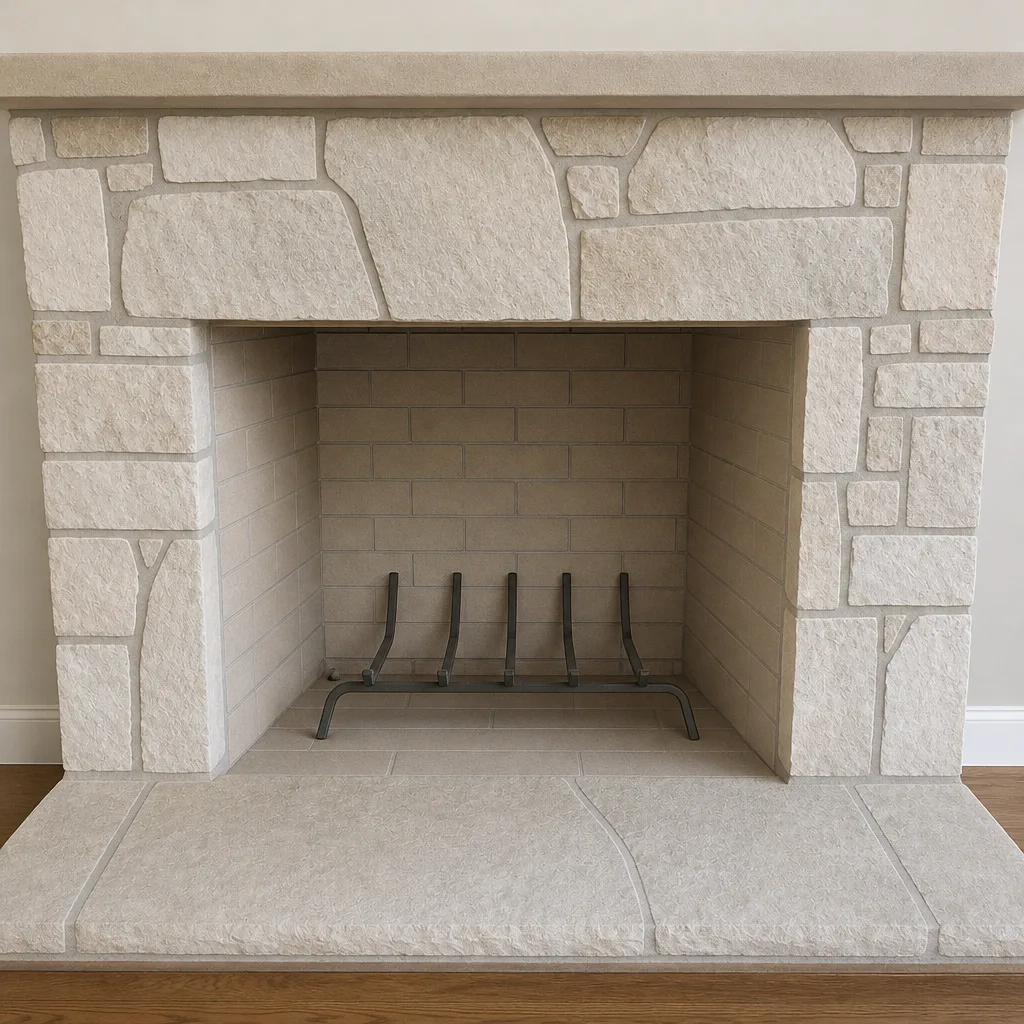
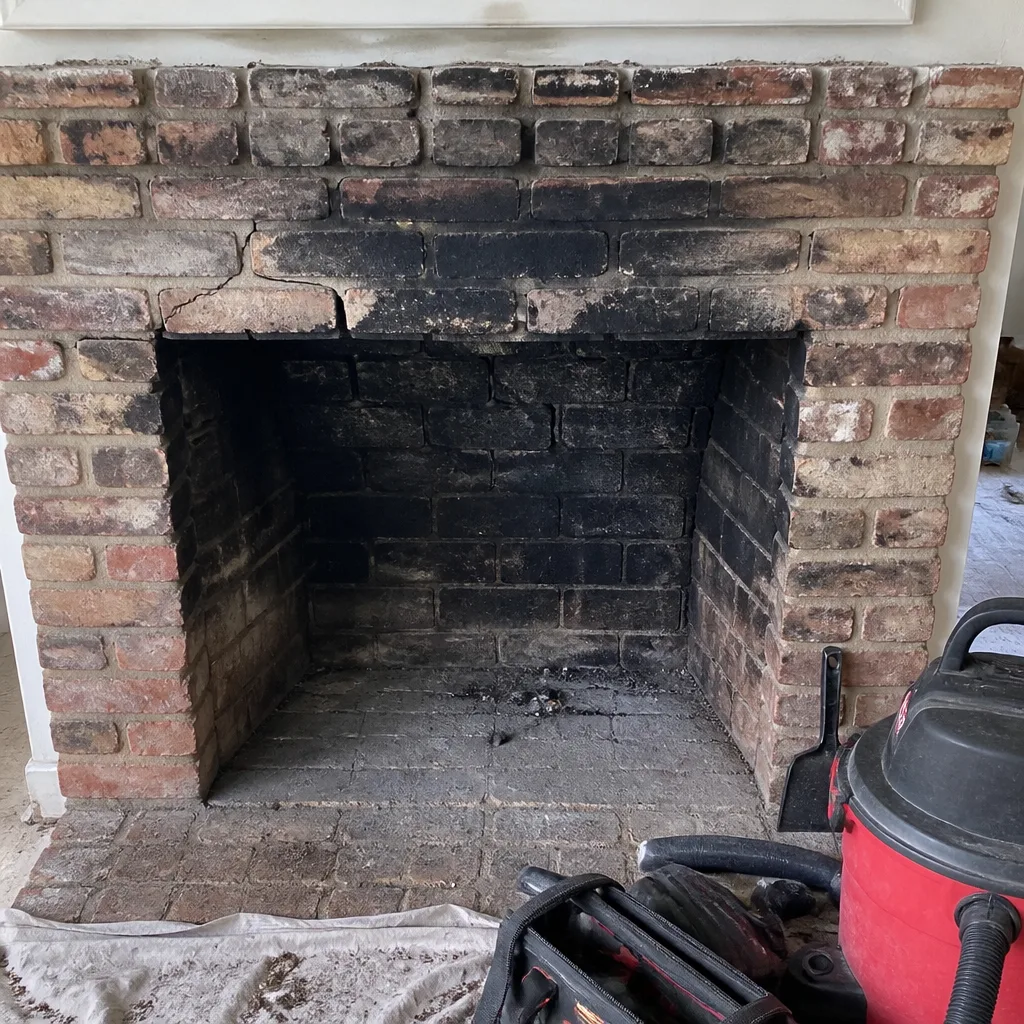
See the difference
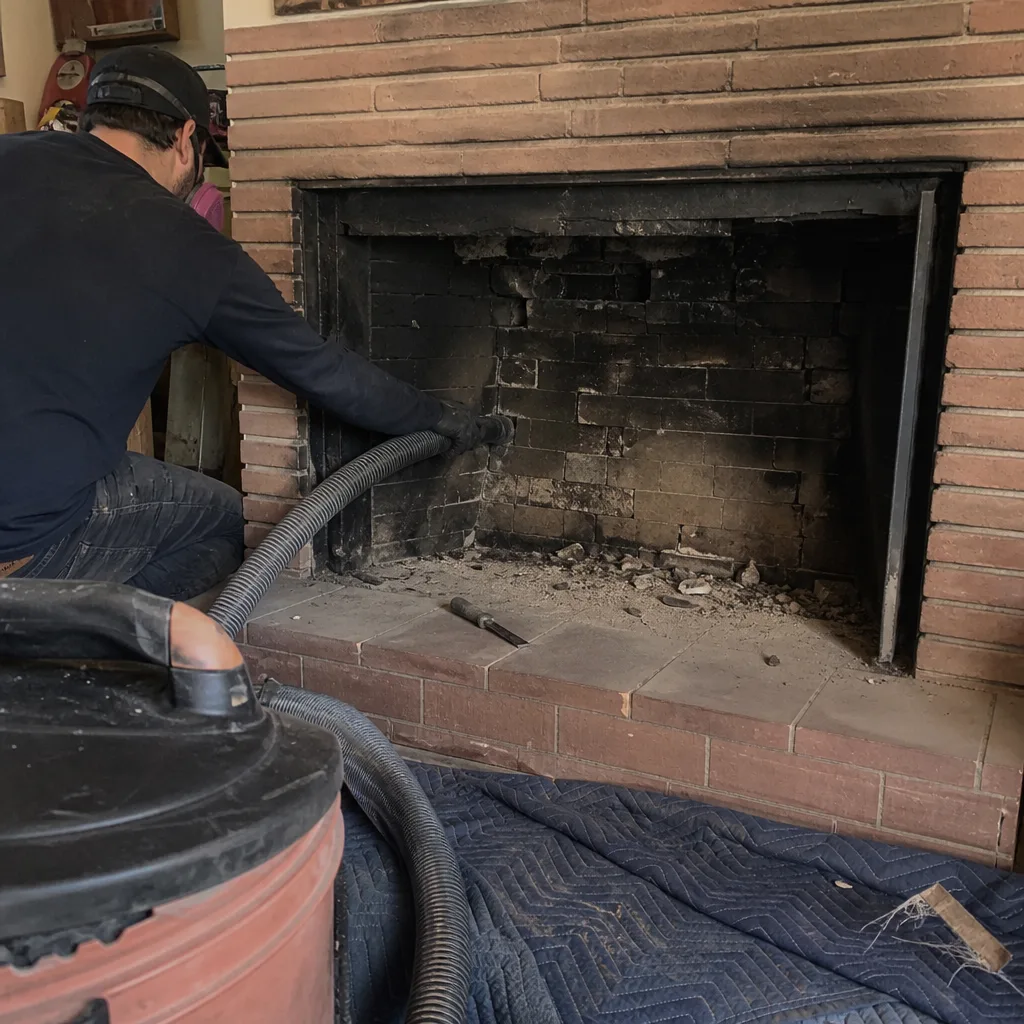 Before
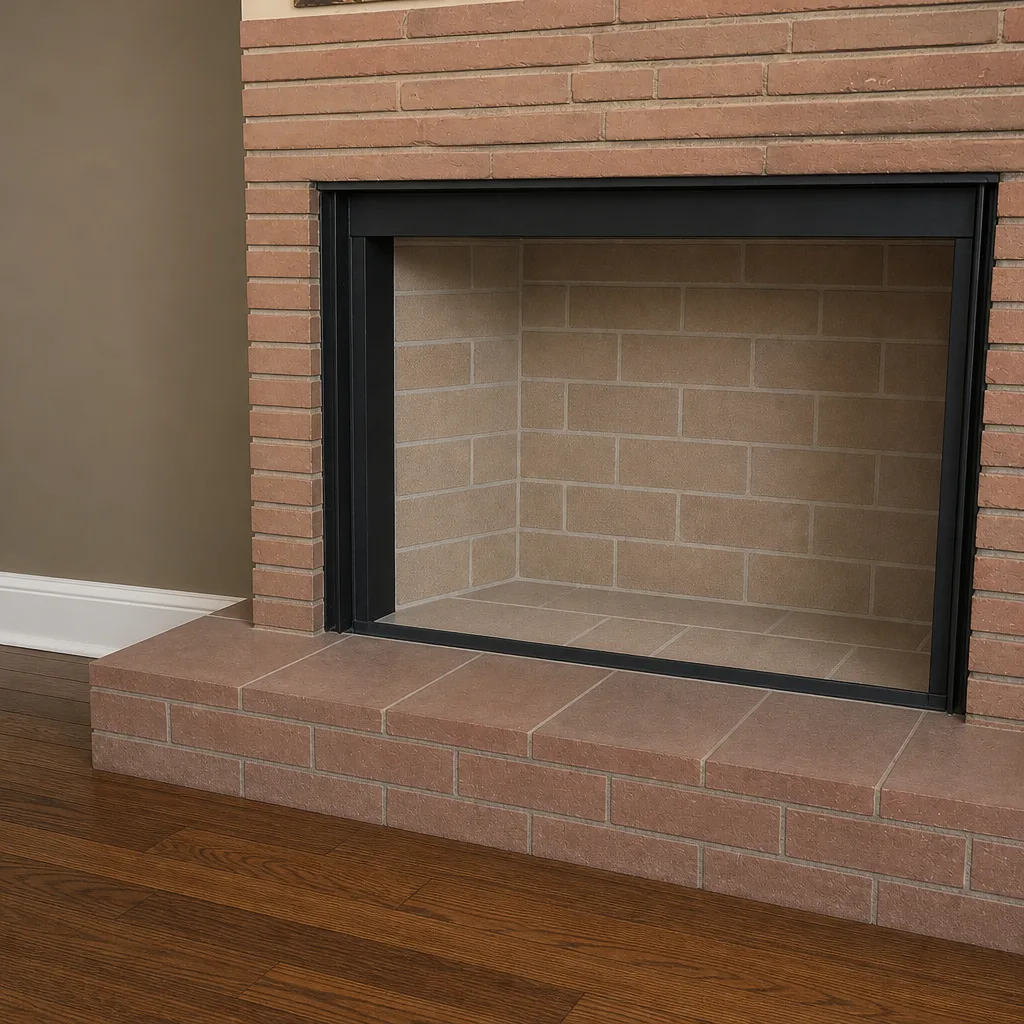 After
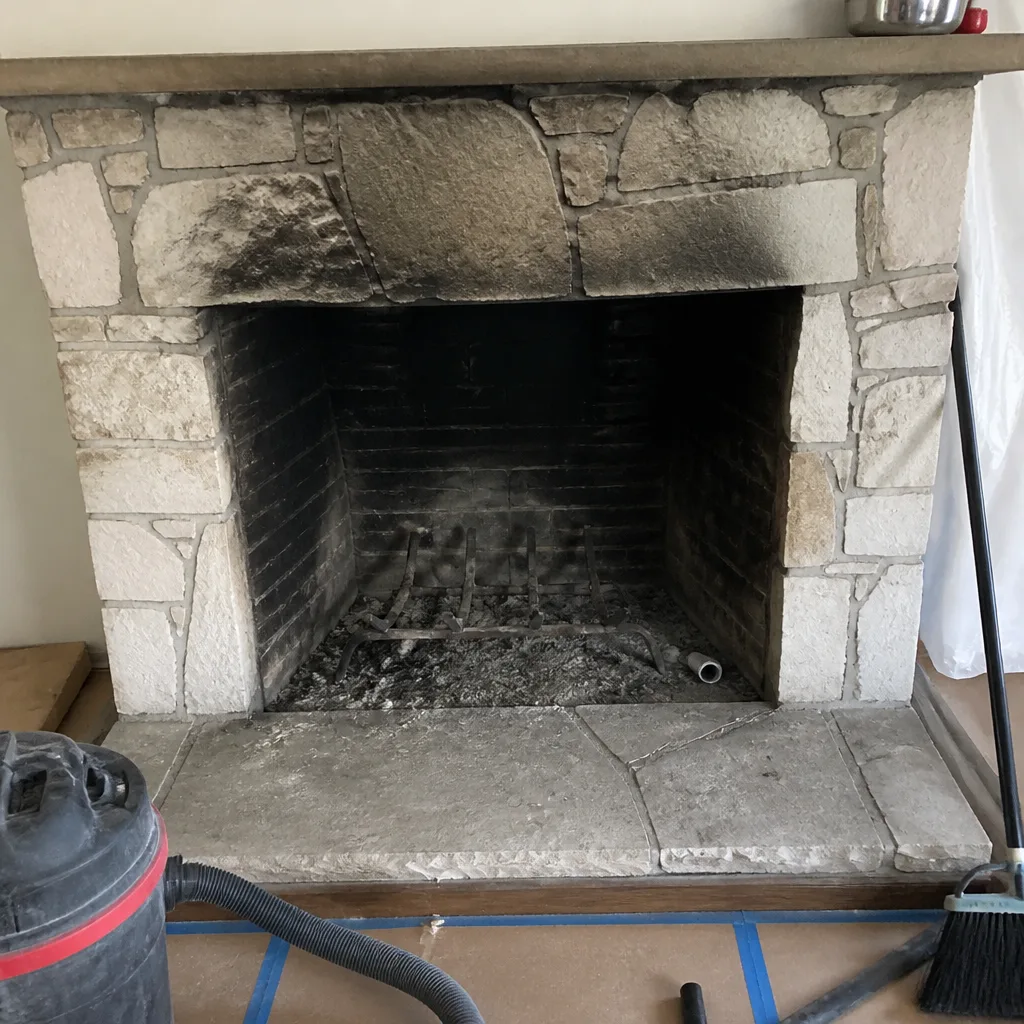 Before
 After
 Before
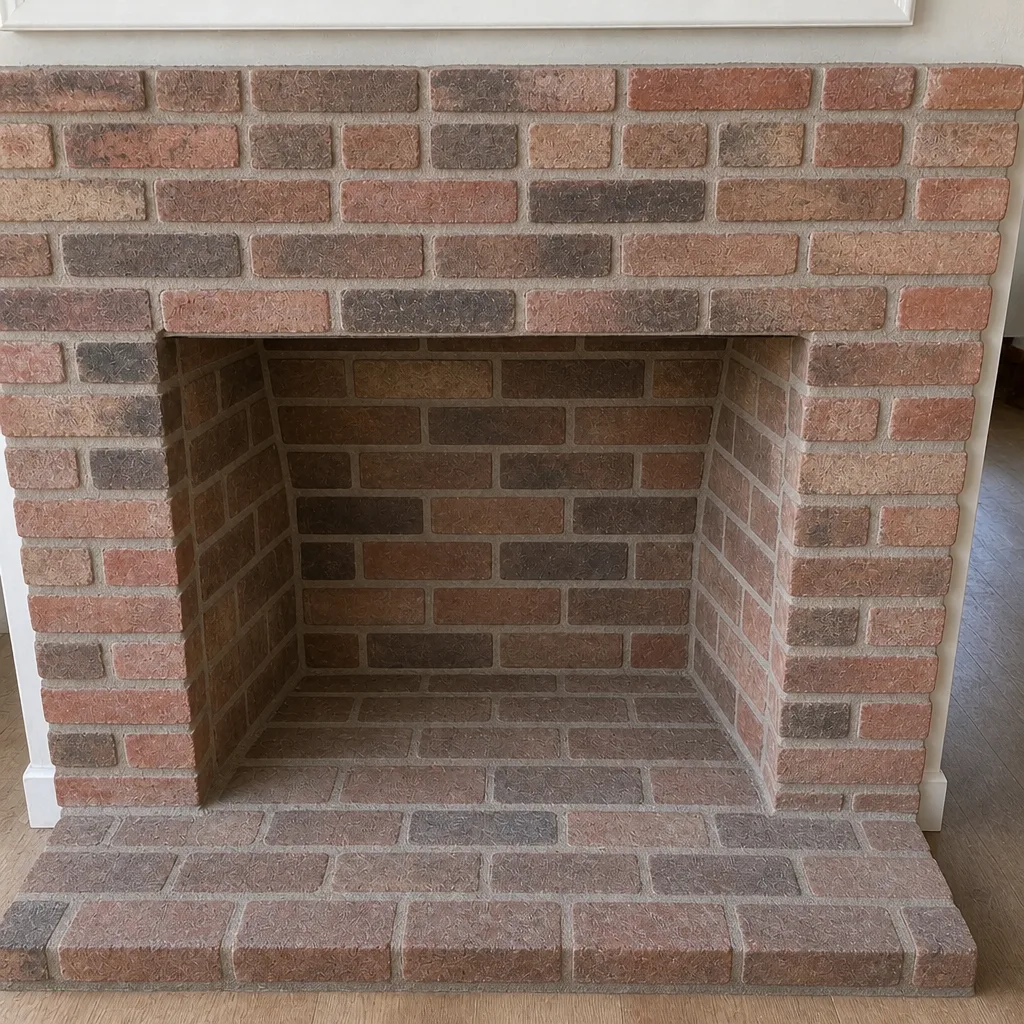 After