
Last updated November 5, 2026
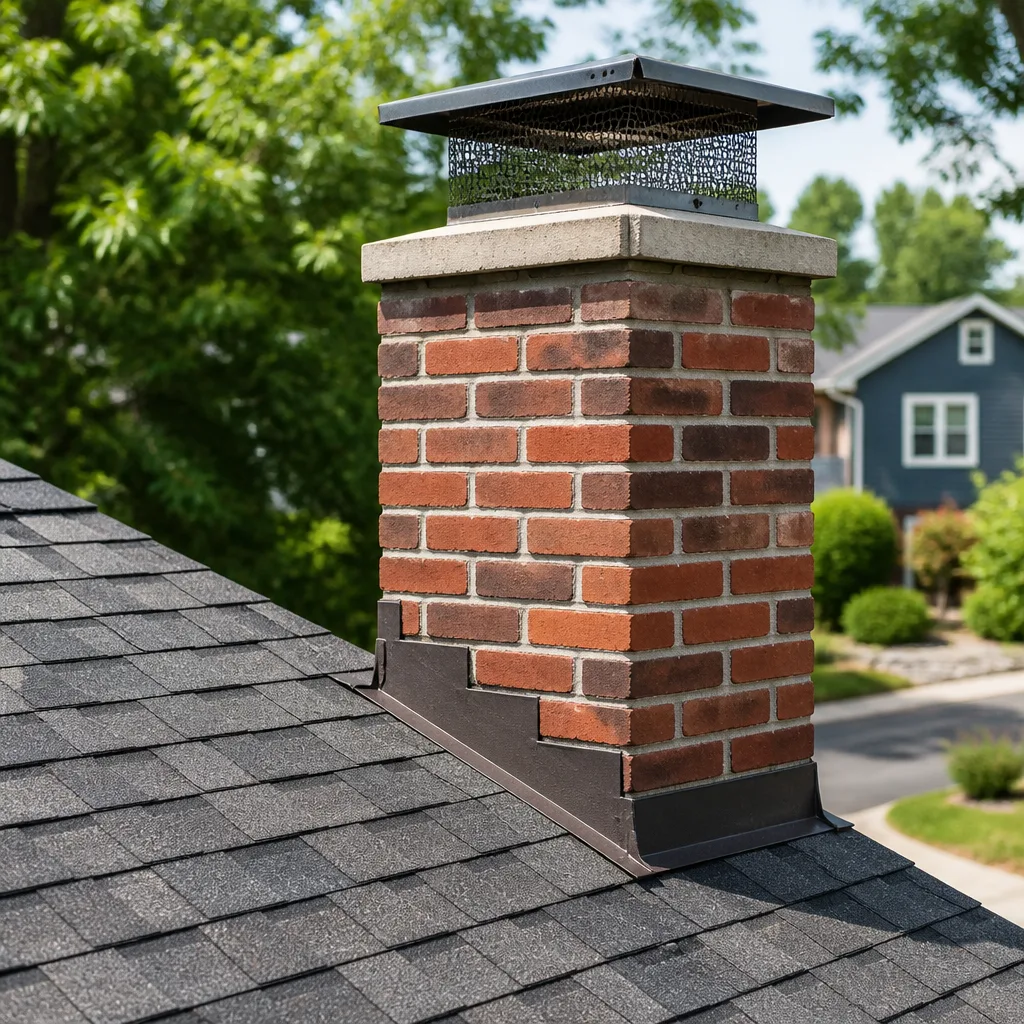 Sweep & inspection
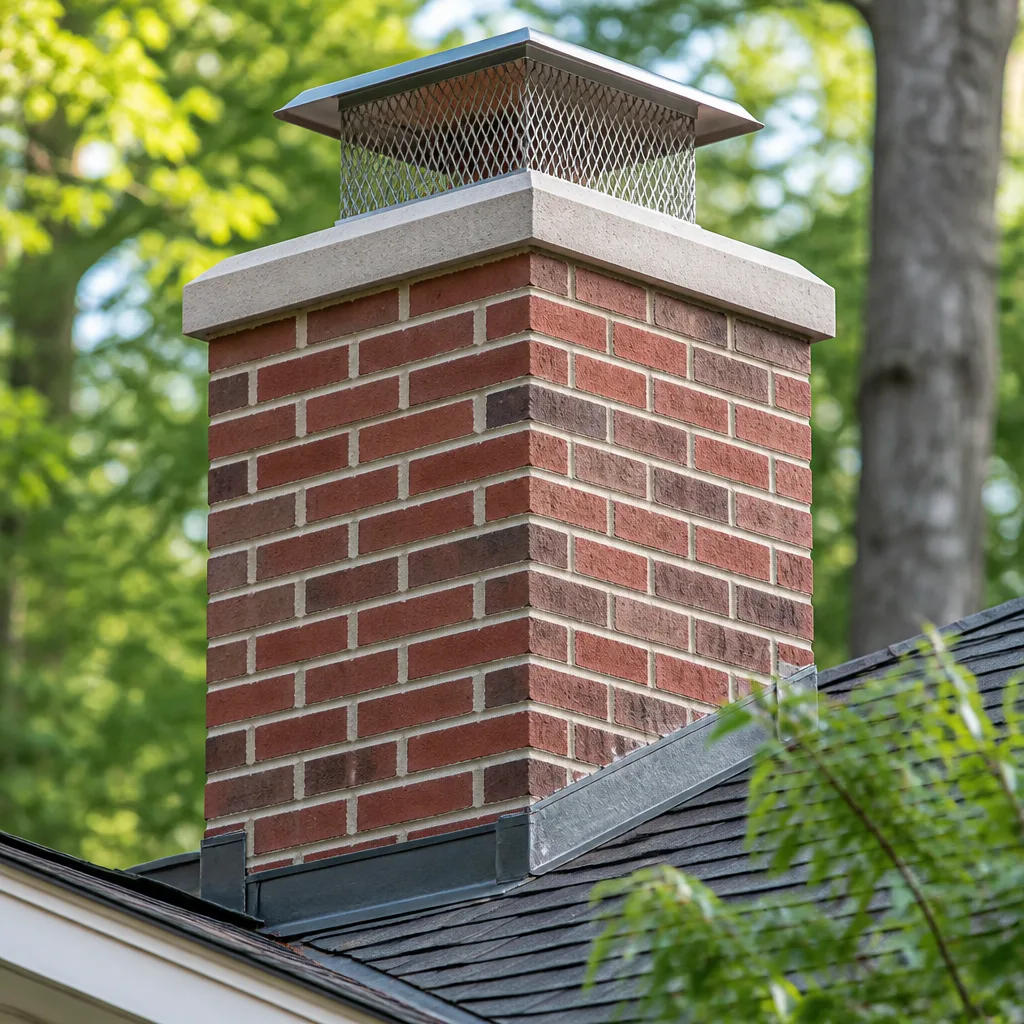 Caps & crowns
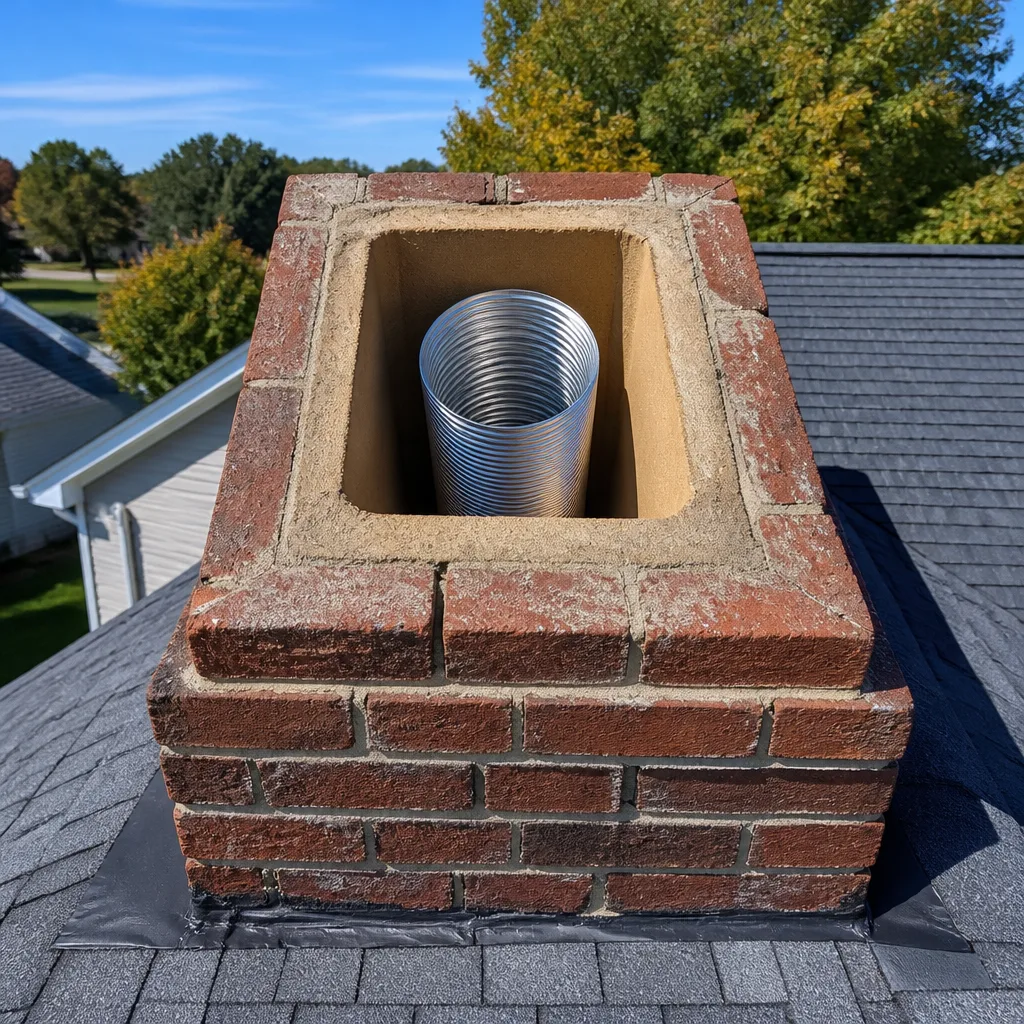 Flue relining
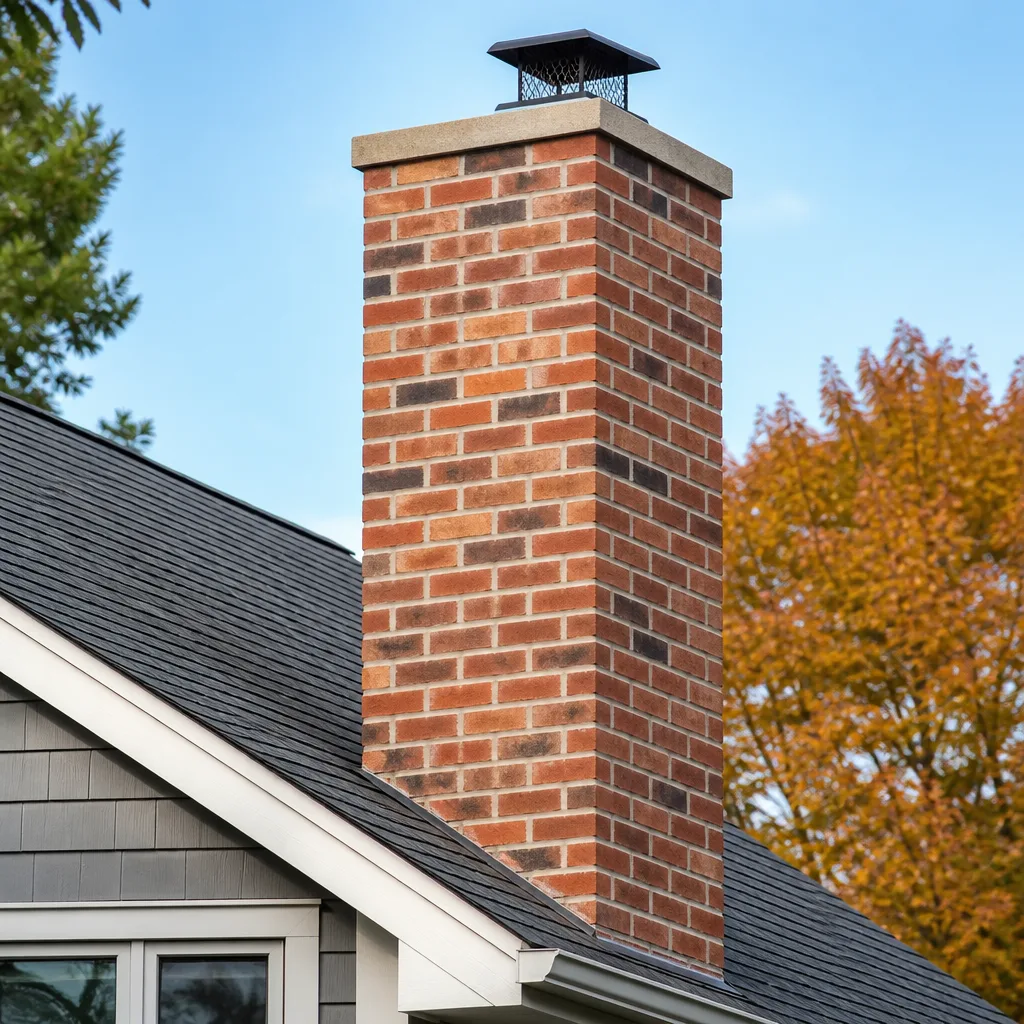 Masonry repair
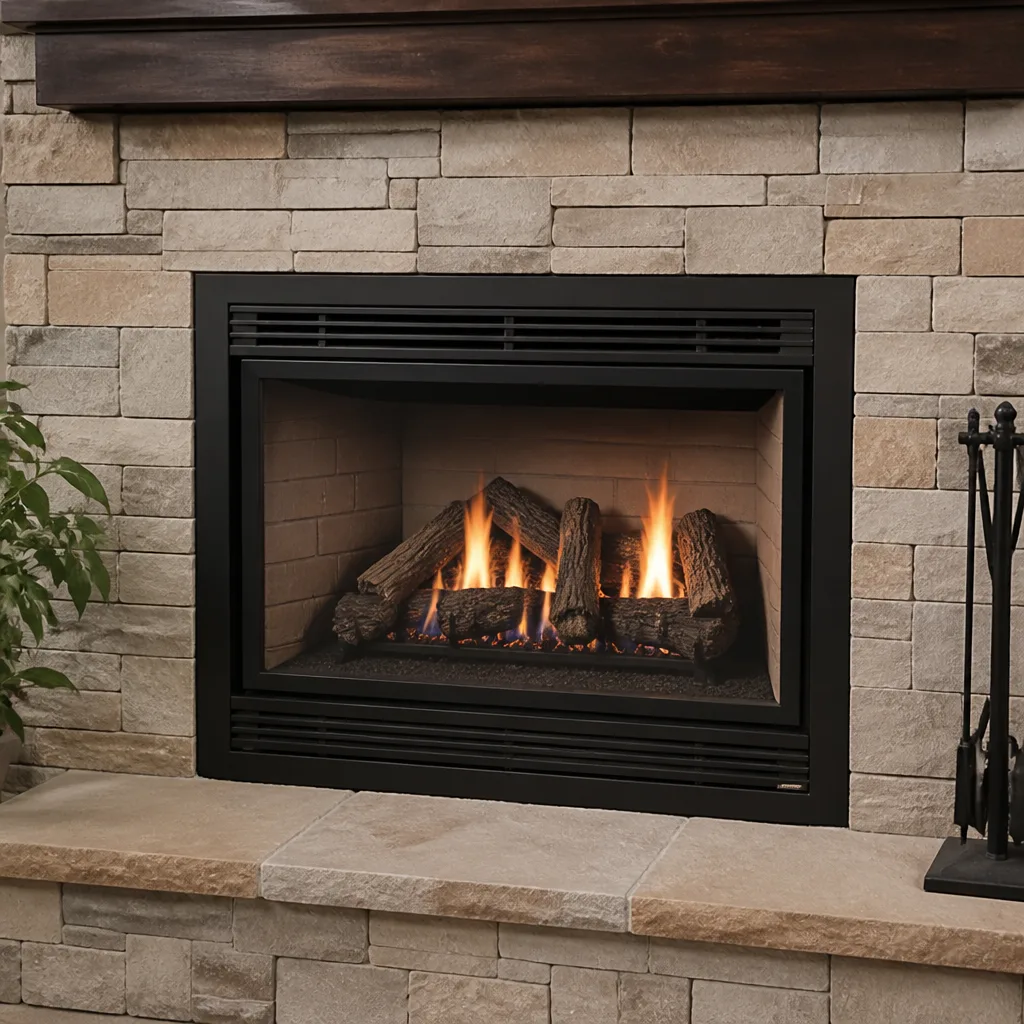 Gas fireplace service
Level 1 sweep and inspection to the NFPA 211 annual standard - flue, crown, cap, and flashing checked and photographed
Chimney sweep logs do not sweep chimneys. They loosen some creosote - which then falls where a brush and vacuum still have to collect it.
Choosing the Right Chimney Cleaning Brand: A Buyer’s Guide for Los Feliz
Most homeowners in Los Feliz never think about the materials going into their chimney until a repair fails. The crown sealant a contractor grabs off the truck shelf, the smoke chamber coating they trowel on, the cap they screw down, the liner they pull through the flue: those product choices decide whether you’re calling someone back in eighteen months or forgetting about the fireplace for a decade. Cheap patching material expands and contracts differently than the refractory-rated products professional chimney contractors specify. The first heating season tells you which one you got. This guide explains the product categories that matter, the brands that show up on professional work orders, and how to ask a contractor the right questions before they touch your system. We’re writing this from a working chimney company’s perspective in Los Feliz, where fireplaces run hard in winter and sit dry through long summers.
Quick Answer
The “brand” behind a chimney cleaning isn’t about the brush; it’s about the professional-grade repair materials and components a contractor stocks and applies. In Los Feliz, look for a company that names its suppliers, applies refractory-rated products like HeatShield resurfacing or DuraFlex liners, and carries components from Olympia Chimney, Famco, or Copperfield rather than grabbing whatever sealant is cheapest at the hardware store. The material on the truck tells you more about the quality of the job than the logo on the invoice.
Styles & brands we work with
- Sweep & inspection
- Caps & crowns
- Flue relining
- Masonry repair
- Gas fireplace service
Table of Contents
- The Product Categories That Actually Matter
- What “Professional-Grade” Means in Material Terms
- How to Ask a Contractor What They Use
- The Cap and Liner Brand Landscape
- Why On-Site Stock Changes the Outcome
- What a Real Chimney Sweep Should Include
- Los Feliz-Specific Considerations
The Product Categories That Actually Matter
Chimney work breaks down into a handful of material categories, and each one has brands that professionals return to because they hold up. Here is what actually goes into a fireplace system and where the product quality shows up.
The first category is refractory mortar and crown repair material. The chimney crown is the concrete or mortar slab that caps the top of the chimney and sheds water. When it cracks, water gets into the brick structure and accelerates deterioration. A professional crown coating has to expand and contract with the masonry without losing its bond. Consumer-grade patching products fail here fast. Professionals specify crown coatings that are rated for continuous exposure and formulated for masonry movement.
The second category is smoke chamber resurfacing. The smoke chamber is the area above the firebox where smoke compresses before entering the flue. Old chambers often have corbeled brick with gaps and rough mortar joints that collect creosote. HeatShield is the name that comes up repeatedly in professional circles here. It is a cerfractory material that gets applied to seal and smooth the chamber. In our experience, it’s the difference between a chamber that keeps accumulating deposits in hard-to-reach gaps and one that stays clean and moves smoke efficiently. We stock HeatShield and apply it as a certified system.
The third is the liner system itself. Clay tile liners crack over time. When they do, the flue is no longer safely containing combustion gases. A stainless steel liner from DuraFlex is the standard repair path, and it matters whether the contractor has the liner on the shelf or needs a week to order it. We install DuraFlex flexible liner systems directly, same appointment when conditions call for it.
The fourth is caps and dampers. A chimney cap keeps rain, birds, and debris out while allowing proper draft. Famco and Gelco make venting components and caps we stock and install. The gauge of stainless steel and the quality of the screen mesh vary between manufacturers, and it shows up after a few years of Los Feliz sun and rain.
What “Professional-Grade” Means in Material Terms
“Professional-grade” gets tossed around a lot. In chimney materials, it means something specific: temperature ratings, flexibility ratings, and compliance with California air quality rules. Here is what those terms translate to in the real world.
Temperature rating is the first thing to look for. The inside of a chimney under active fire conditions reaches temperatures that would break down ordinary construction materials. Professional chimney products are rated for continuous exposure to combustion temperatures, not just brief contact. A caulk or sealant labeled for general masonry use may handle 200 degrees and fail at 1,000. The products we apply, from crown coatings to smoke chamber resurfacers, are refractory-rated: formulated to live in a combustion environment, not just near it.
Flexibility matters for liners. A chimney liner has to expand and contract as the flue heats and cools, and it has to flex enough to get installed through offsets in the existing flue without kinking. Cheap rigid liners or thin-gauge flexible pipe can crack at bends or pull apart at seams. DuraFlex liners are built for that flex-and-hold cycle, and that’s why we stock them rather than ordering based on whatever the distributor has available.
California VOC compliance is a specific concern in Los Feliz. The state’s air quality regulations are stricter than most of the country, and coatings with high volatile organic compound content are restricted. Professional chimney materials sold into the California market meet those standards. A contractor using consumer-grade products bought off a shelf may not be able to tell you whether the coating they’re applying is compliant. We can tell you, because our suppliers certify for the California market.
The bottom line: professional-grade means materials that are engineered for combustion temperatures, tested for flexibility in flue applications, and compliant with the air quality rules that apply where we work. It’s not a marketing label. It’s a set of specifications you can ask about.
How to Ask a Contractor What They Use
The fastest way to separate a professional chimney company from a brush-and-go operation is to ask about materials before you book. Here is a step-by-step approach that works.
- Ask what they’re applying to the crown. A specific answer names a product line and explains the application method. A vague answer, like “a sealant we’ve used for years,” tells you they’re not thinking about material compatibility with your specific chimney.
- Ask what they do about the smoke chamber. If the answer is “we sweep up there as best we can,” that’s a red flag. A professional answer mentions inspection, and where indicated, resurfacing with a product like HeatShield rather than leaving corbeled gaps to collect creosote.
- Ask whether they stock liners. If you have a cracked clay tile liner, the repair involves a stainless steel liner. A contractor who has DuraFlex on the shelf can handle it in the same visit. One who orders after diagnosis adds days or weeks to the project and often comes back with whatever the distributor had handy.
- Ask about caps and dampers by name. A company that installs Famco or Gelco components is working from a professional supplier catalog, not a limited hardware store aisle. The difference shows up in the gauge of stainless and the fit of the cap to your flue size.
- Ask to see the material before it goes on. Any contractor should be willing to show you the container, the label, and the product name before applying. If they hesitate, that hesitation is your answer.
You don’t need to become a materials engineer. You need to hear the contractor name specific products and explain why they chose them for your chimney. In Los Feliz, where houses range from 1920s Spanish Revival to mid-century modern, the right product varies by structure. A professional knows that and can tell you.
The Cap and Liner Brand Landscape
Chimney caps and liners are where brand differences become visible over time. The gauge of stainless steel, the design of the screen mesh, and the warranty terms all vary. Here is what to look for in the Los Feliz market.
Caps from Olympia Chimney and Copperfield are common on professional work orders in this region. Olympia has been building chimney components for decades and produces caps in a range of sizes that fit the varied flue dimensions you see on older Los Feliz homes. Copperfield similarly supplies the professional trade with components that hold up to UV exposure and rain. The sun here is the real test: cheap powder-coated caps fade and rust within a few seasons. Quality stainless holds its finish.
Liner systems are a different category. The liner is the working core of the chimney after a repair. DuraFlex flexible stainless steel liners are the standard we install because they handle the flex and thermal cycling that a rigid pipe cannot. The stainless alloy matters, and so does the wall thickness. A homeowner can ask about both. A contractor who cannot answer is not the contractor you want pulling a liner through your flue.
Warranty differences matter too. Professional-grade caps and liners from recognized brands typically carry longer warranties than consumer products, and more importantly, the warranty is backed by a manufacturer that expects the product to be installed by a trained contractor. When a homeowner buys a cap at a hardware store and installs it themselves, the warranty is often void before the first rain hits it. Professional installation keeps the warranty intact.
One Los Feliz-specific note: unlike cold-climate markets where the main cap job is shedding snow, the function here is primarily rain and ember control plus animal exclusion. The cap has to stop water intrusion from rare but intense winter rain while keeping a clear draft path in a climate where you might use the fireplace heavily for two months and not at all for eight. Quality cap design handles both.
Why On-Site Stock Changes the Outcome
Here is the difference between a chimney company that stocks professional materials and one that sweeps and leaves. The stocked company can diagnose a problem, show you the camera evidence, and then repair it in the same visit because the parts are on the truck or on the shelf. The brush-only company diagnoses, writes up a recommendation, and returns days or weeks later with whatever material they had to order. In that gap, the homeowner has time to second-guess the repair, shop around, or just let the problem sit. And letting a cracked liner or compromised crown sit is how small issues become structural repairs.
Our approach is built around same-visit readiness. We carry HeatShield and DuraFlex materials, Famco and Gelco components, and Olympia Chimney and Copperfield caps. When the camera shows a hairline crack in a clay liner during a chimney sweep, we can show you the image, talk through the repair path, and in many cases handle the reline that same visit. Not a return trip, not a handshake promise. The parts come with us.
There is a material-truth reason this matters beyond convenience. When a contractor has to order parts, they tend to order what is available and cheap to get quickly. When a contractor stocks professional brands, the repair uses the product they would put on their own chimney. The brand on the shelf is a statement about the standard of work.
That same logic applies to dryer vent cleaning. A clogged dryer vent is a leading household fire cause, and it’s a repair that uses the same principle: the right venting components, on hand, installed correctly. Famco and Gelco make the venting materials we install when a vent needs upgrade or cap replacement. One call, one crew, both fire hazards addressed.
What a Real Chimney Sweep Should Include
A lot of the “brand” conversation in chimney work starts with the sweep itself, and the sweep quality is where you see whether a company treats the fireplace as a system or a chore. Here is what an inspection and cleaning should actually cover when you book a Chimney Sweep Los Feliz appointment.
- Full exterior inspection. The crown, cap, flashing, and masonry get examined from the roof or with camera equipment, not just eyeballed from the ground. Cracked crowns and damaged flashing are the top water-intrusion points on Los Feliz chimneys.
- Smoke chamber inspection. This area gets missed by quick-sweep operations because it requires looking past the damper. A professional checks for corbeled gaps, creosote accumulation, and signs of heat damage.
- Flue inspection with camera. The liner gets viewed along its full length. Hairline cracks in clay tile liners are invisible to the naked eye from the top, and they’re exactly what leads to a chimney fire or gas leakage. We use a camera and give you the images.
- Creosote removal by stage. Creosote builds up in stages from light soot to glazed tar. The removal method depends on the stage, and a professional identifies what they’re dealing with before applying brushes or chemical treatments.
- Repair recommendation with evidence. If the sweep finds a problem, you get a clear explanation with the camera image to back it up. Not a vague warning designed to upsell. The photo tells the story.
- Dryer vent inspection. Since we’re already at the house, checking the dryer vent is a natural extension. Both chimneys and dryer vents are fire hazards when clogged, and a household can address both in a single scheduled visit.
The sweep is the diagnostic appointment. The repair capability is what happens after the diagnosis. A company that can do both in one visit saves you the scheduling dance and the open-ended risk of letting a found problem sit unresolved.
Los Feliz-Specific Considerations
Los Feliz brings specific conditions to chimney work that homeowners should understand. The housing stock ranges from 1920s hillside Spanish homes to 1950s flats and newer construction. Each vintage has its own chimney profile, and the materials that work for one may not be right for another.
Older homes in Los Feliz frequently have original clay tile liners that have never been replaced. Sixty or ninety years of thermal cycling leaves hairline cracks, and those cracks are invisible without a camera inspection. When we find them, the repair path is usually a DuraFlex stainless liner: the same material a professional would specify on a new build, pulled through the existing flue. The house keeps its original chimney structure while the working core gets restored to current standards.
The local climate matters in a specific way. Winters are mild enough that fireplaces see heavy use for a few focused months, then sit idle through long dry stretches. That use pattern means creosote does not necessarily build up the way it would in a colder climate with daily fires, but the creosote that does form sits and hardens during the idle months. It becomes harder to remove. Annual sweeping during or after your burning season keeps it from reaching the glazed stage that requires aggressive removal.
Water intrusion is the other local factor. Los Feliz gets rain in bursts, and the long dry spells between them hide slow damage. A cracked crown or failed flashing might let in small amounts of water each winter, then dry out over summer. The masonry deteriorates slowly, and by the time you see staining or spalling, the repair is more involved. A crown coating applied with professional-grade material stops that cycle early. We inspect the crown and repair on the spot when the camera or roof inspection shows cracks.
Air quality rules in California also shape what materials a contractor can legally use here. Professional chimney products sold into the LA market meet state VOC standards. A homeowner using a contractor who picks up whatever is locally available may be getting material that is not compliant.
Common Mistakes to Avoid
- Picking a contractor by price alone. Chimney repair is material-driven. The low bid is often low because it uses consumer-grade patching products and excludes the smoke chamber work a professional would recommend. You get what the material will do, not what the estimate promised.
- Skipping the camera inspection. A sweep that does not include a camera flue inspection cannot see hairline liner cracks, which is exactly where the danger lives. If you cannot see the image, the contractor did not look properly.
- Letting “we’ll order the parts” slide. In a market this size, professional chimney companies can afford to stock liners, caps, and coating materials. Waiting on parts adds delay, and often the part that arrives is whatever met the price point, not the best fit for your flue.
- Treating the dryer vent as a separate project. Chimney and dryer vent are both combustion exhaust pathways and both fire hazards. Booking them separately means two visits, two crews, two invoices. A single company that handles both restores both safely in one appointment.
- Assuming a cap is just a hat. The cap protects the flue from rain, animals, and debris. A cheap cap rusts, blocks draft, and sometimes blows off in wind. The cap brand and gauge matter more than its curb appeal.
- Leaving a cracked crown alone because “it’s minor.” Minor crown cracks become major water-intrusion paths. The repair is straightforward with the right coating. The rebuild after years of neglect is a structural project.
- Not asking what product goes on the chimney. The single most useful question you can ask any contractor. If they cannot name their products, they are not the company for the job.
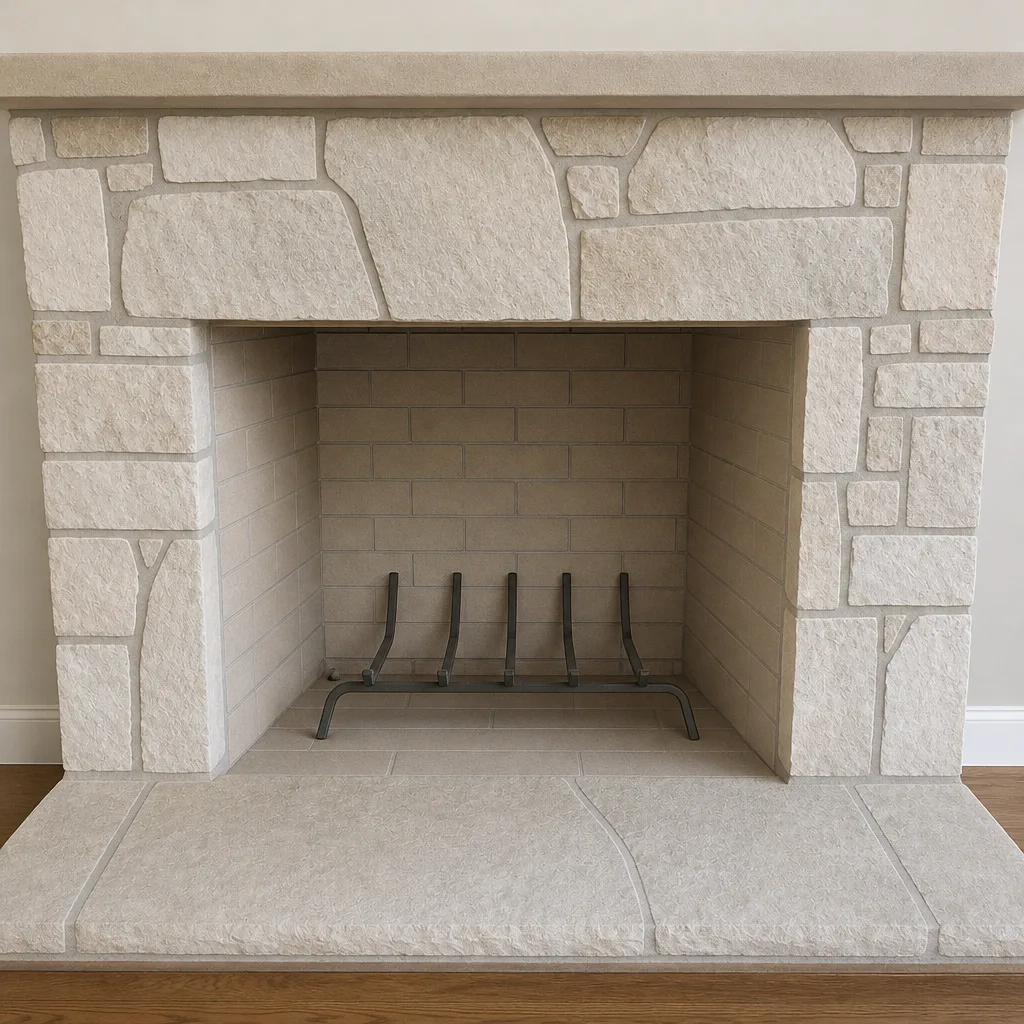
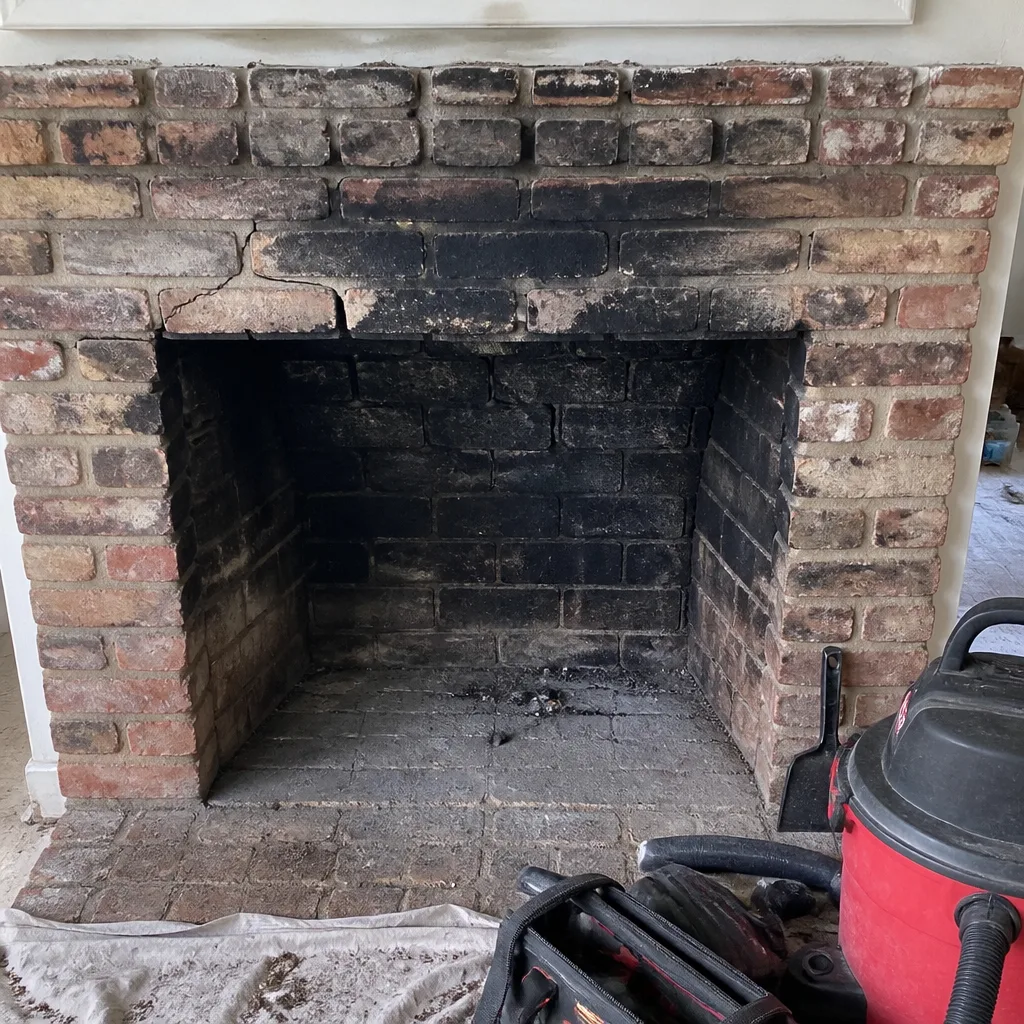
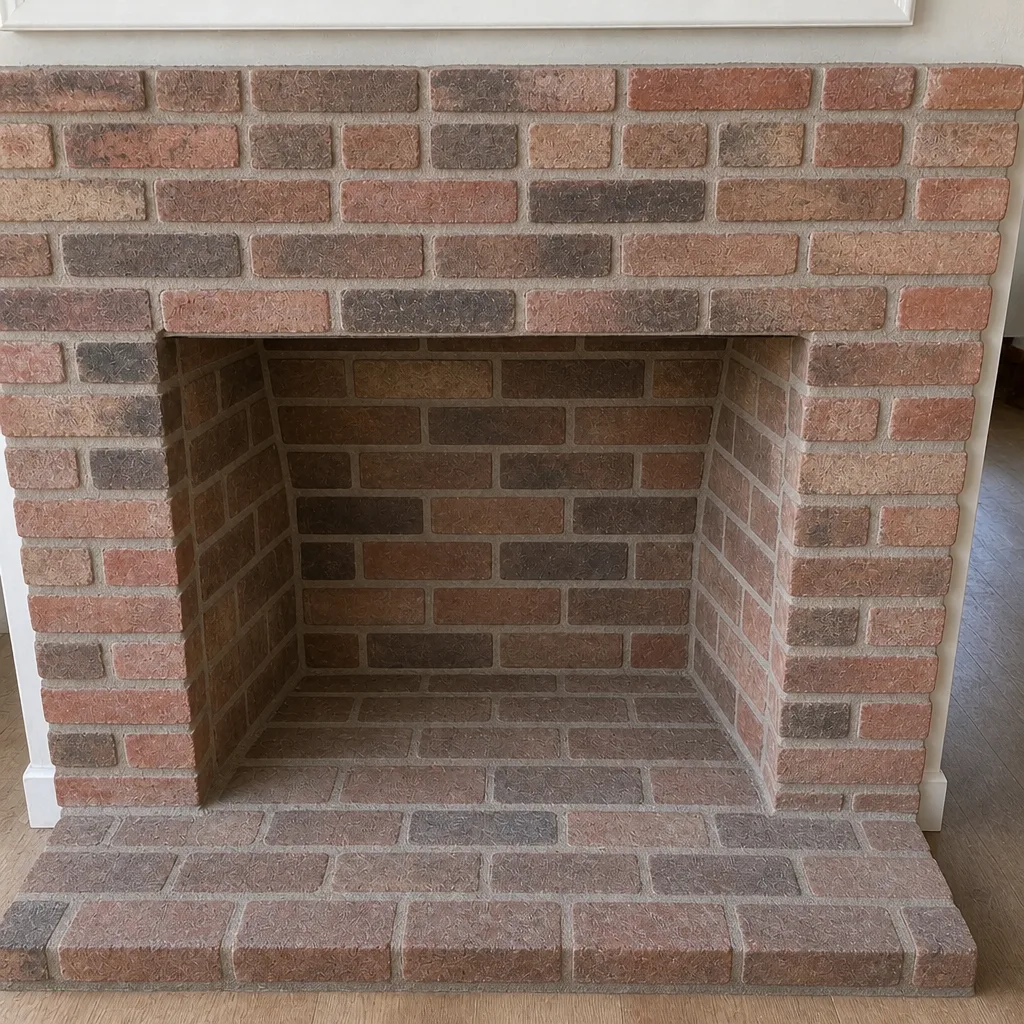
See the difference
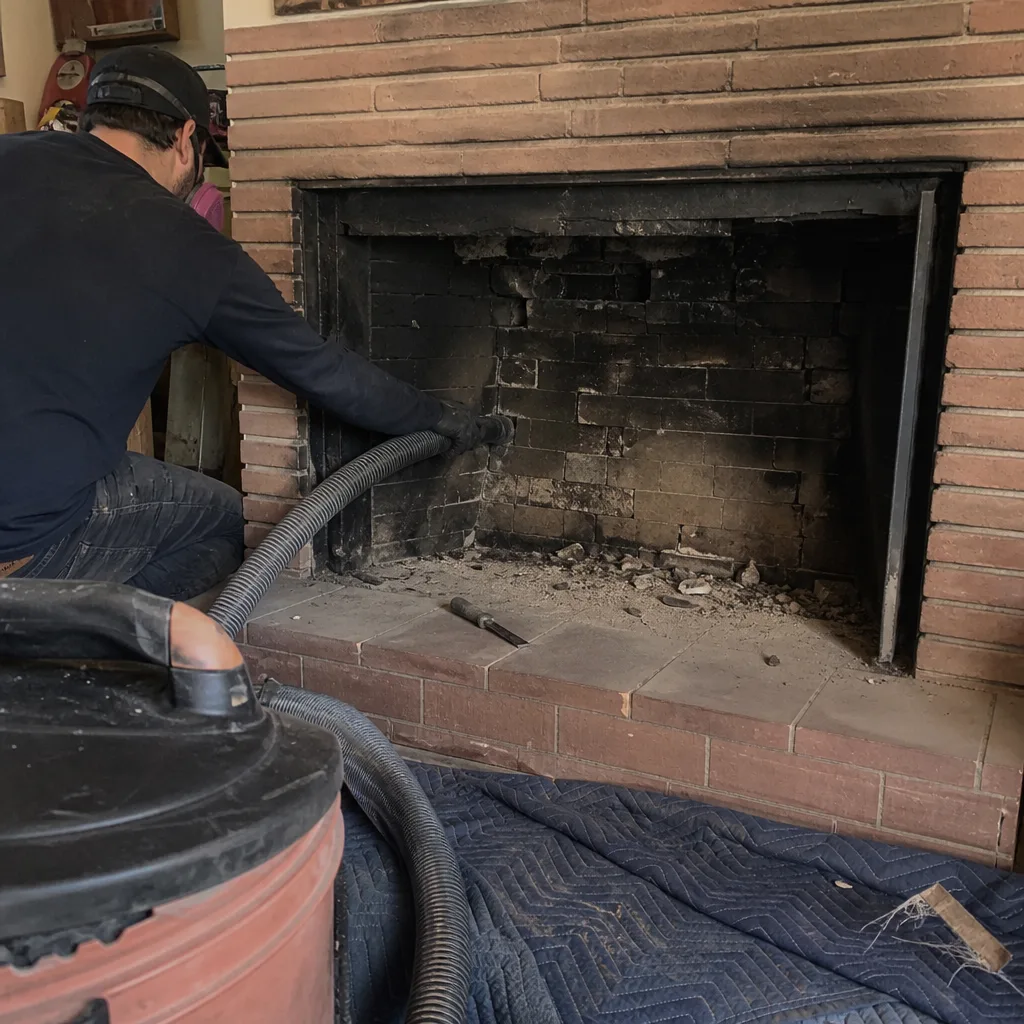 Before
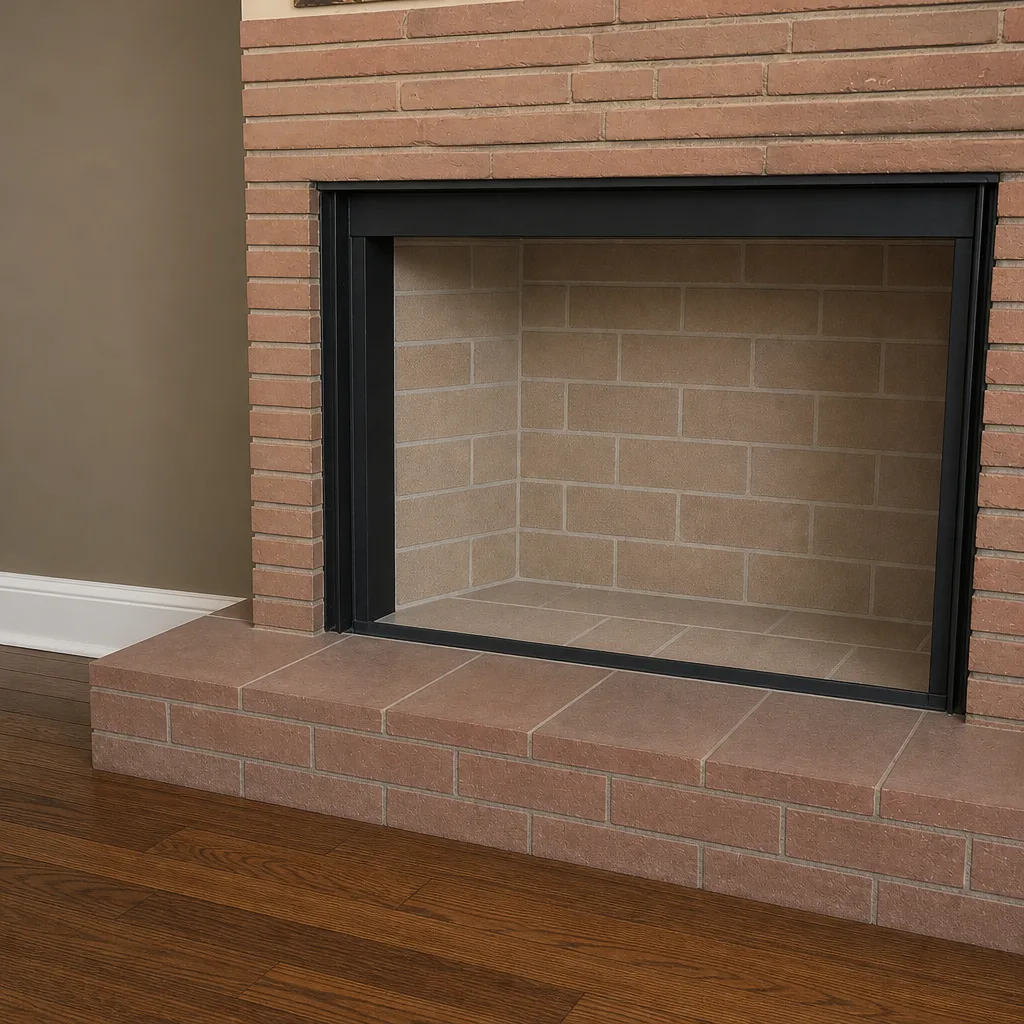 After
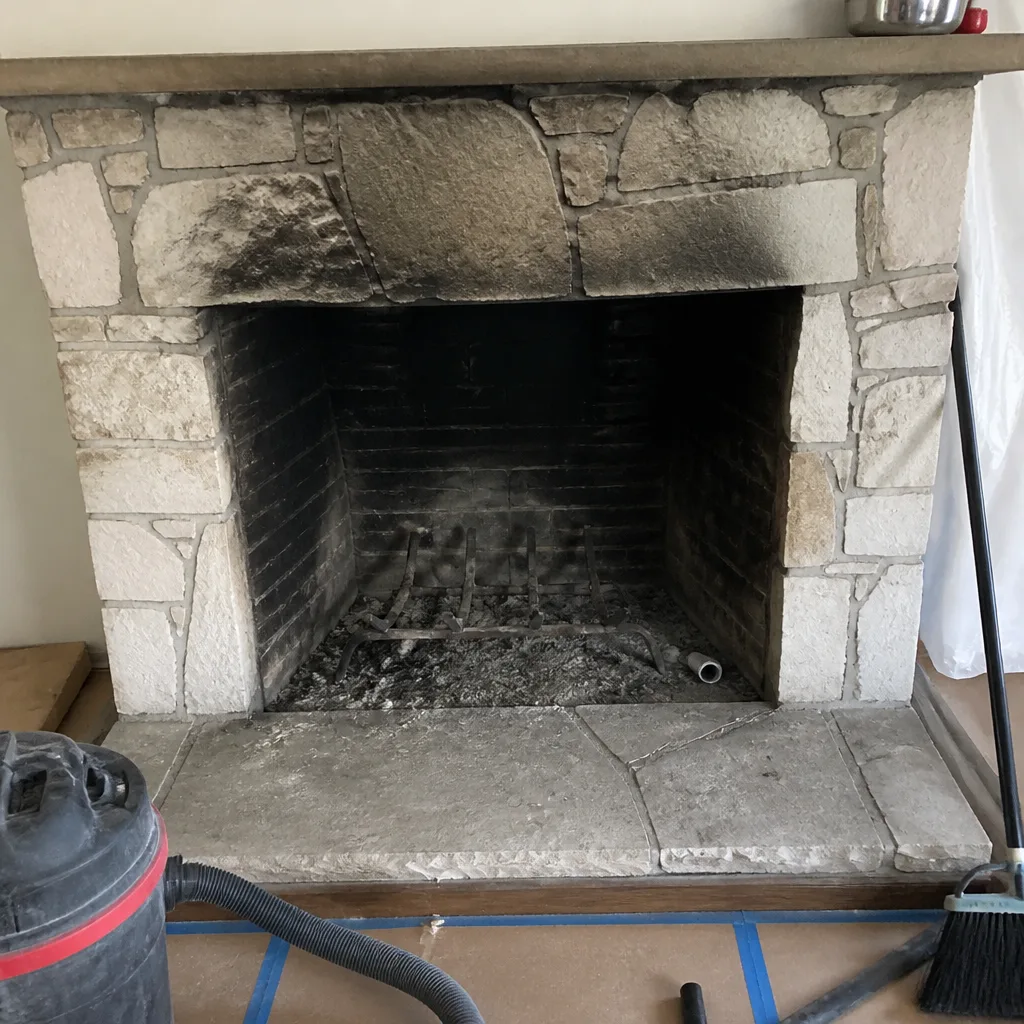 Before
 After
 Before
 After
When to Call a Professional
Call a professional when you see or suspect any of these: white staining or spalling on the exterior masonry, a smell of smoke when the fireplace is not in use, visible cracks in the firebox or crown, a damper that does not open or close fully, or a dryer that takes longer than one cycle to dry clothes. These are the early signs of the problems that turn into expensive structural work. In Los Feliz, where the housing stock skews older and clay tile liners have been in service for decades, an annual inspection catches what you cannot see. Chimney Sweep Los Feliz offers free estimates in Los Feliz – call (833) 467-6692. We answer 24/7. Fast dispatch from 7am to 7pm, Sunday through Friday.
Frequently Asked Questions
Look for a contractor who names their suppliers and stocks professional-grade components: Olympia Chimney, Famco, Copperfield, DuraFlex, and HeatShield are the names that show up on professional work orders in this market. The specific brand matters less than whether the contractor can tell you what they use and why. Call (833) 467-6692 for a free estimate from a company that stocks these materials in Los Feliz.
Chimney sweep pricing in Los Feliz is set per job by written estimate after the technician assesses the system’s condition, creosote stage, and access. Free estimates are standard practice here, and the final number should include the inspection, cleaning, and a camera report. Call (833) 467-6692 for a specific quote on your chimney.
A cracked clay tile liner compromises the flue’s ability to contain combustion gases and heat. The standard repair is a stainless steel liner pulled through the existing flue, and a contractor who stocks DuraFlex can often complete the installation the same visit. Not every crack requires immediate replacement, but every crack deserves a camera look and an honest assessment. Get the images and make the call from evidence.
Annual sweeping is the standard recommendation, timed after your heaviest burning season so the creosote does not sit and harden through the long dry stretches. Households that burn fires regularly through winter should have the chimney cleaned and inspected once a year. Those using the fireplace occasionally can sometimes stretch longer, but the inspection is what catches damage early. Call (833) 467-6692 to schedule a sweep and get the camera report that tells you where you stand.
Creosote accumulates in stages and eventually hardens into a glazed, tar-like layer that is highly flammable and difficult to remove. A chimney fire at that stage can crack the liner and send heat into the surrounding structure. Skipping the sweep also means missing the slow water damage from a compromised crown or flashing, which quietly degrades masonry until the repair is structural. The sweep is the diagnostic visit that prevents both the fire hazard and the water damage path.
Yes, and in Los Feliz that is the efficient approach. Chimney and dryer vent are both combustion exhaust pathways, both fire hazards when clogged, and both covered by a single visit from a company that stocks Famco and Gelco venting components alongside chimney materials. One call books both inspections. One crew handles both restorations.
The Bottom Line
The chimney cleaning brand conversation is really a materials conversation. The products a contractor stocks and applies – refractory crown coatings, HeatShield smoke chamber resurfacing, DuraFlex liners, Olympia Chimney and Copperfield caps, Famco and Gelco venting components – tell you more about the quality of the work than any marketing claim. In Los Feliz, with its older housing stock, mild but concentrated burning season, and long dry spells that hide water damage, the right materials are the difference between a repair that lasts and one that fails in a season. Ask your contractor what they use. If they cannot answer with specific products, keep looking. If they can, you have found a company that treats the chimney as a system, not a chore.
Written by the team at Chimney Sweep Los Feliz, serving Los Feliz since 2011.