
Last updated November 5, 2026
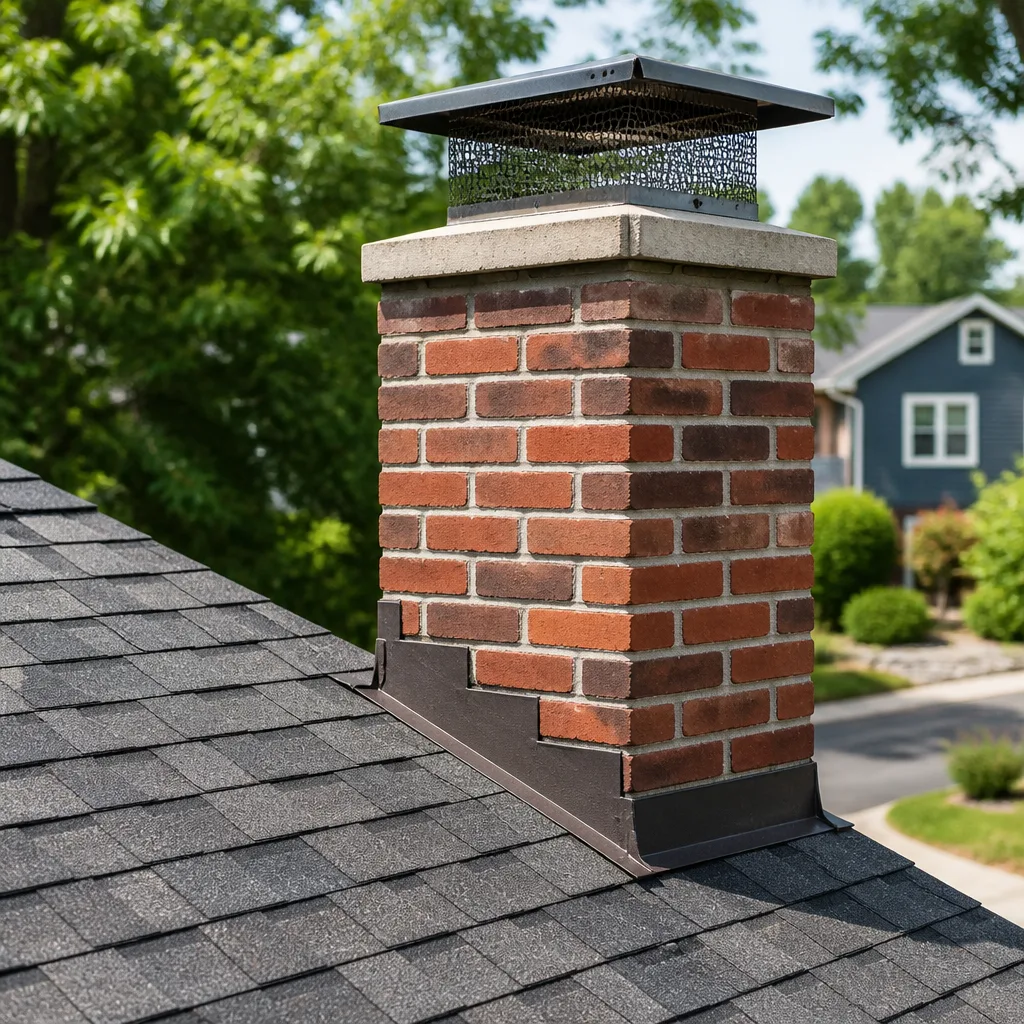 Sweep & inspection
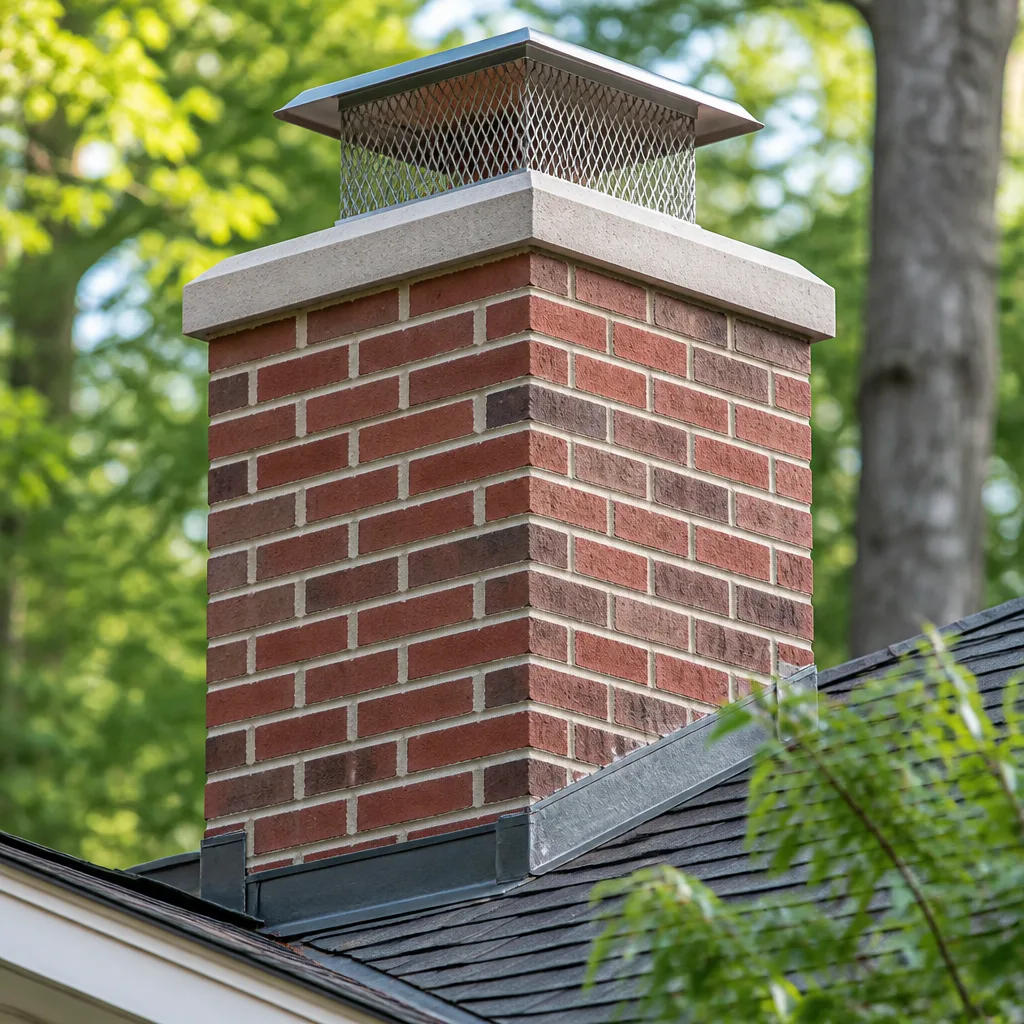 Caps & crowns
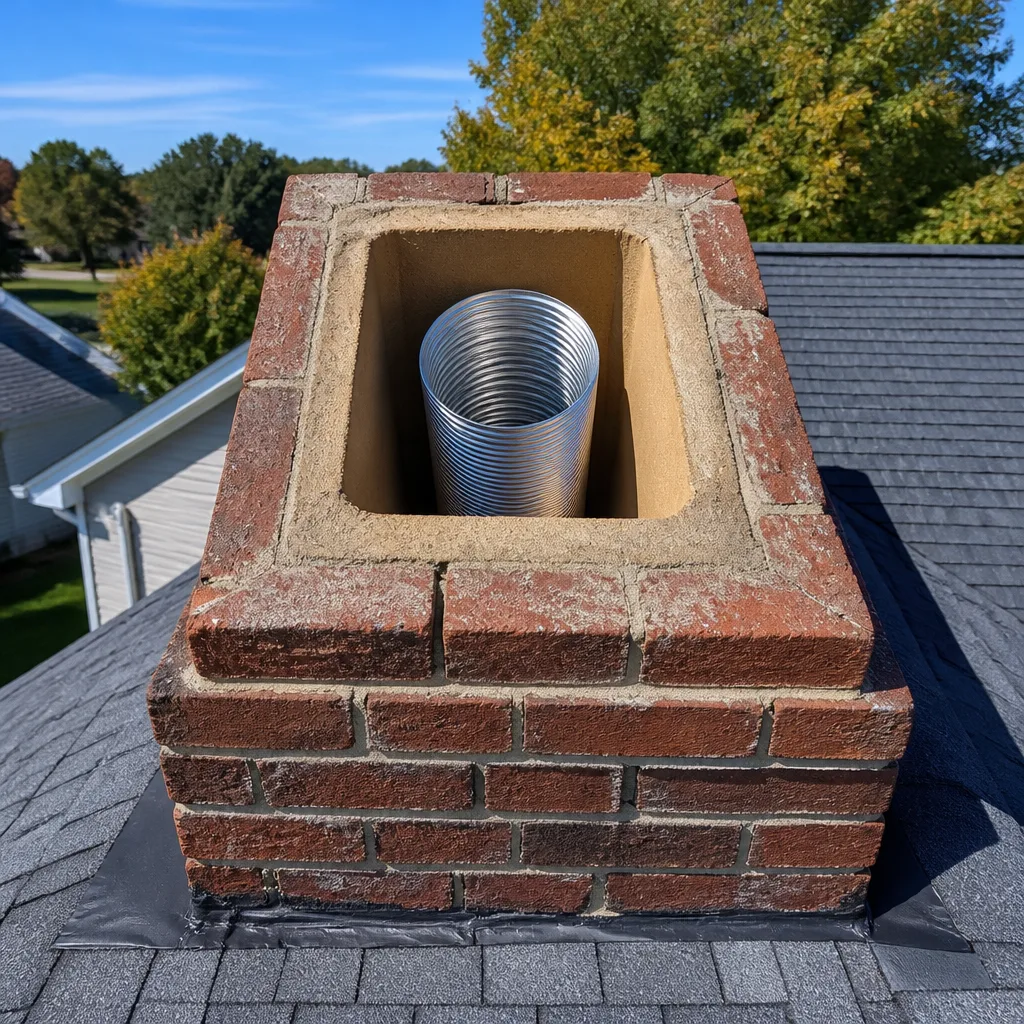 Flue relining
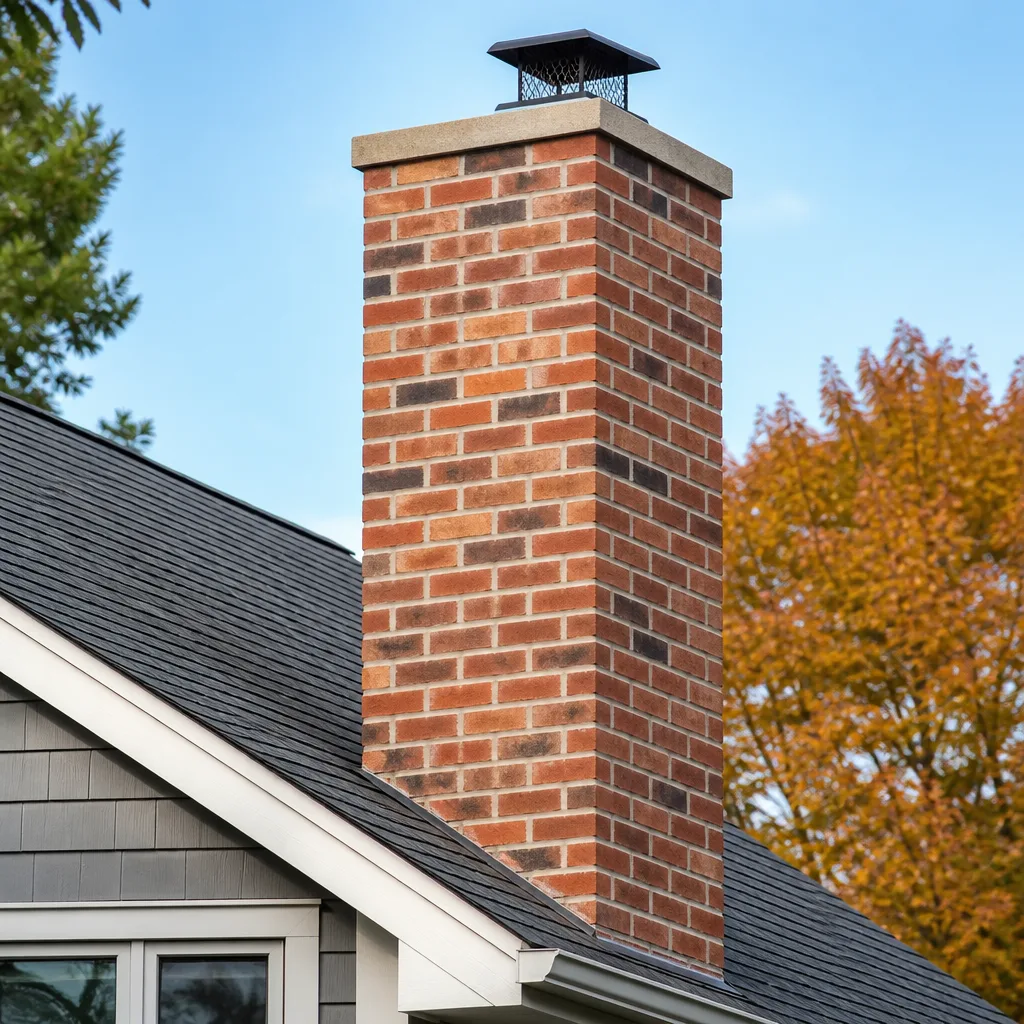 Masonry repair
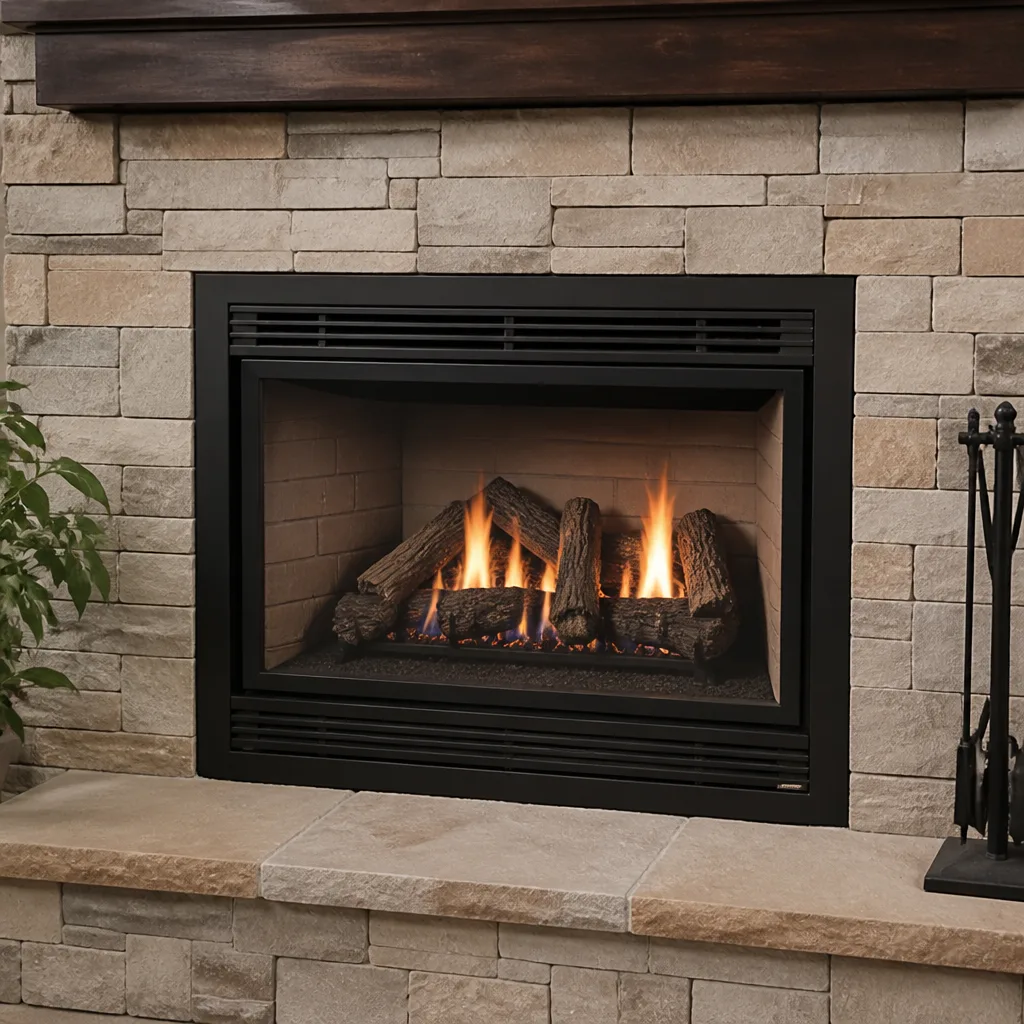 Gas fireplace service
Level 1 sweep and inspection to the NFPA 211 annual standard - flue, crown, cap, and flashing checked and photographed
Chimney sweep logs do not sweep chimneys. They loosen some creosote - which then falls where a brush and vacuum still have to collect it.
The Complete Guide to Chimney Cleaning in Los Feliz
Most chimney sweeping advice assumes every fireplace is built the same way. Walk the streets of Los Feliz and you’ll see why that assumption falls apart. The neighborhood’s 1920s Craftsman bungalows, Spanish Revival courtyards, and mid-century hillside homes each put different demands on a flue system. A rotary brush sized for a modern rectangular flue will skate right past the offset clay tile joints in a 1930s Spanish Revival chimney, leaving creosote exactly where it builds up. This guide covers what actually matters for chimney sweep work in this neighborhood: the flue profiles you’ll find, the inspection standards that apply, the quirks of hillside drafting, and what a cleaning visit should include when it’s done right.
Styles & brands we work with
- Sweep & inspection
- Caps & crowns
- Flue relining
- Masonry repair
- Gas fireplace service
Quick Answer
Chimney cleaning in Los Feliz typically involves a Level 1 inspection paired with mechanical brushing sized to the flue’s actual dimensions, with special attention to offset joints in pre-1940 clay tile systems. A standard cleaning and inspection takes one to two hours, and because Los Feliz homes range from original masonry fireplaces to gas-converted inserts, the right approach depends on what’s inside the wall. Most homes need annual service if the fireplace is used regularly, and gas-converted fireplaces still need attention every year even though they don’t produce creosote.
Table of Contents
- How Los Feliz Construction Shapes What’s in Your Flue
- NFPA 211 Inspection Levels: What You Actually Need in Los Feliz
- Gas-Converted Fireplaces: Why They Still Need Annual Service
- Hillside Drafting Problems on Los Feliz Streets
- What a Full-Service Cleaning Visit Actually Covers
- What Chimney Cleaning Costs in Los Feliz
- Common Mistakes to Avoid
- When to Call a Professional
- Frequently Asked Questions
- The Bottom Line
How Los Feliz Construction Shapes What’s in Your Flue
Los Feliz grew in distinct building waves, and each one left a signature in the chimney systems. The Craftsman homes of the 1910s and 1920s, concentrated around the flats near Vermont and Hillhurst, typically have rectangular clay tile flues with straight vertical runs. These are the most forgiving to clean. The Spanish Revival and Mediterranean homes built through the 1930s, especially along the canyon-adjacent streets, often have flues with offset joints where the chimney shifts to follow rooflines and architectural massing. Offsets are where creosote deposits accumulate, because the brush loses contact pressure at the angle change.
Mid-century homes in the upper Los Feliz hills, many built between 1945 and 1965, present a different set of conditions. Some have original masonry fireplaces with round clay tile flues. Others were built with prefabricated metal chimneys, which require different brush materials entirely: polypropylene bristles rather than steel wire, because steel scores the thin metal liner. A crew that arrives with one brush type and a generic protocol cannot clean all three of these systems correctly. When we inspect a Los Feliz chimney, we identify the flue material and geometry first, then select the brush and method to match. That approach matters more in this neighborhood than in a tract-home suburb where every flue is identical.
Knowing what’s in the wall also determines how aggressively to clean. Clay tile liners from the 1920s and 1930s can have hairline cracks from decades of thermal cycling. Aggressive steel brushing can widen those cracks. The right technique for older Los Feliz clay tile flues is a measured pass with appropriately sized poly or steel brushes, followed by a camera inspection of the joints. That camera work is the difference between guessing and knowing, and it’s standard in our cleaning visits.
NFPA 211 Inspection Levels: What You Actually Need in Los Feliz
The National Fire Protection Association’s NFPA 211 standard defines three levels of chimney inspection, and most Los Feliz homeowners only ever need the first two. Understanding the difference helps you avoid paying for a Level 3 you don’t need, or settling for a Level 1 when the situation calls for more depth.
- Level 1: A visual check of the readily accessible portions of the chimney, fireplace, and venting system. This is what accompanies a routine cleaning when nothing has changed since the last service. The technician confirms the flue is free of major obstruction and that the basic structure looks sound.
- Level 2: A more thorough inspection that includes camera scanning of the flue interior. NFPA 211 requires a Level 2 when a property changes hands, when the fireplace has been converted to a different fuel type, after a chimney fire or seismic event, or when there’s been a change to the system. In Los Feliz, where many homes have had gas inserts retrofitted into original masonry fireplaces, a Level 2 with camera documentation is the standard recommendation for any homeowner who hasn’t had one done.
- Level 3: An invasive inspection that may involve removing portions of the chimney structure to access concealed areas. This is rarely needed for routine maintenance and only makes sense when a Level 2 reveals serious damage that requires repair planning.
For most Chimney Sweep Los Feliz homeowners, the practical answer is: get a Level 1 with every annual cleaning, and get a Level 2 camera scan if you’ve never had one, you just bought the home, or you’re switching from gas back to wood. The camera footage gives you something a visual inspection can’t: evidence. If a technician tells you the flue needs resurfacing, you should be able to see the damage on screen. We follow that rule on every job. Nothing gets recommended without camera documentation the homeowner can review.
Gas-Converted Fireplaces: Why They Still Need Annual Service
A common assumption in Los Feliz is that converting to gas means the chimney no longer needs cleaning. That’s wrong in two specific ways. First, gas inserts vent combustion byproducts that include acidic water vapor. Over years, that vapor condenses on the interior of the original clay tile flue and degrades it from the inside. The flue doesn’t get coated in creosote, but it does get damaged. Second, the original chimney still collects debris: nesting material from birds and rodents, leaves, dust, and pieces of deteriorated mortar from the crown and joints. A gas fireplace with a blocked or partially blocked flue can push carbon monoxide back into the living space.
Gas-converted fireplaces in Los Feliz also need the damper inspected regularly. Many original dampers from the 1920s and 1930s have rusted, warped, or seized in place. Sometimes a damper is permanently locked open from a previous cleaning, which means conditioned air escapes up the flue year-round. A proper service visit checks the damper’s function, not just its presence. We’ve removed nests from gas fireplace flues in homes where the owners assumed the sealed glass front meant nothing could get in. It gets in.
Annual cleaning for a gas-converted fireplace is simpler and faster than for a wood-burning system. The point is different too: it’s about verifying safe venting and checking the flue’s structural condition, not removing combustible deposits. Either way, the yearly appointment earns its place on the calendar.
Hillside Drafting Problems on Los Feliz Streets
The hillside streets of Los Feliz create drafting conditions that flat-land homes never experience. When a home sits on a slope, the chimney often stands downwind of a taller hillside, a neighboring roofline, or dense tree canopy. The result is negative pressure at the flue opening, which means smoke doesn’t rise the way it should. It stalls, reverses, or spills into the room when the fire is lit.
Hillside homes also get more debris in the flue. Wind patterns on slopes push leaves, seeds, and nesting material against chimney structures more aggressively than on flat streets. Homes on the steeper sections of Los Feliz, particularly along the canyon edges and the upper reaches near Griffith Park, routinely collect debris in the flue and cap assembly within a single season. A cap with the wrong mesh size can make it worse, trapping material that would otherwise blow clear.
When we clean chimneys on Los Feliz hillside streets, we check the draft after the cleaning by observing the smoke path from a test burn or a draft gauge. We also check whether the cap is the right design for the wind exposure. In some positions, a directional cap or a taller flue extension solves chronic smoke reversal that a basic cleaning alone won’t fix. The cleaning restores the flue; the cap and draft assessment address the hillside condition that caused the problem. Both matter for a fireplace that’s actually used.
What a Full-Service Cleaning Visit Actually Covers
A chimney cleaning that stops at the flue brush is an incomplete job. In older Los Feliz homes especially, the flue is only one part of a system that includes several components, each of which deserves attention during the same visit. Here’s what a full-service cleaning covers when we’re in the home:
- Flue brushing: Mechanical cleaning of the entire flue length with brushes sized to the flue’s actual dimensions and material. This removes creosote, soot, and loose debris.
- Smoke chamber cleaning: The smoke chamber sits between the firebox and the flue. In older Los Feliz chimneys it’s often corbeled brick with rough surfaces that trap creosote. Many sweep companies skip it because it requires hand tools and time. We don’t.
- Damper inspection and lubrication: The damper gets checked for operation, rust, and proper seating. A damper that won’t seal costs money in lost conditioned air.
- Firebox inspection: The firebox gets cleaned of ash and checked for cracked firebrick, deteriorated mortar joints, and signs of heat damage.
- Chimney cap check: The cap gets cleared of debris and checked for mesh damage. If the cap is missing or failing, we talk through replacement options from Copperfield or Olympia Chimney, which we stock for same-visit installation.
- Crown inspection: The masonry crown at the top of the chimney gets checked for cracks, spalling, and improper overhang. Crown damage lets water into the chimney structure, and water is the slow killer of Los Feliz masonry.
- Camera scan: After brushing, we run a camera through the flue and show you the result. If the flue needs resurfacing with HeatShield or relining with a DuraFlex system, you’ll see the evidence that justifies the recommendation.
That sequence takes one to two hours on a typical Los Feliz home. The point is that cleaning and inspection happen together. You get the flue restored to safe condition and you get a documented report on the system’s structural health. One appointment, one crew, one set of findings.
What Chimney Cleaning Costs in Los Feliz
Chimney cleaning prices in Los Feliz depend on the system type, the amount of buildup, and whether additional services like camera scanning are included. The estimate is always free, and the written estimate sets the final price before any work begins.
Here are the typical price ranges we see for residential chimney work in this market:
- Standard Level 1 cleaning and inspection: $185 to $275 for a typical single-flue fireplace with normal creosote buildup.
- Cleaning with Level 2 camera scan: $275 to $400, depending on flue length and access conditions.
- Heavy creosote or glazed creosote removal: $350 to $500, because it requires chemical treatment and extended brushing time.
- Gas fireplace venting inspection and cleaning: $150 to $225 for decorative gas and insert systems.
- Dryer vent cleaning (combined visit): $125 to $180 when scheduled alongside chimney work.
These are typical ranges for Los Feliz, not quotes. The written estimate locks in the number. If the technician finds damage that needs repair, such as a cracked flue tile or a failed crown, the repair scope and price are quoted separately after you’ve seen the camera evidence. We never push repair work on the spot without showing you why.
One variable specific to older Los Feliz homes is access. Chimneys on steep hillside lots sometimes require rooftop work from a particular angle, and interior fireplaces in split-level homes can have longer tool runs. Those conditions get noted during the estimate, not added as surprise charges after the fact.
Common Mistakes to Avoid
These are the specific errors we see Los Feliz homeowners make when arranging chimney cleaning, and they cost money or create risk:
- Skipping the camera scan to save $100: You’ll spend more than that chasing a draft problem or smoke issue later. Camera documentation is the only way to verify flue condition in older clay tile systems.
- Hiring a sweep that only brushes the flue: If the smoke chamber and damper aren’t inspected, you’re getting half a service. Creosote in the smoke chamber is a fire hazard regardless of how clean the flue is.
- Assuming gas means no maintenance: Gas fireplaces still need annual venting checks. Carbon monoxide risk doesn’t disappear when you switch fuels.
- Replacing a missing chimney cap with a cheap universal unit: The wrong mesh size or fit lets embers out or traps debris in. The cap should match the flue dimensions and the wind exposure on your street.
- Delaying cleaning after a storm or wind event: Hillside Los Feliz chimneys collect debris faster than flat-land ones. After a big wind, more material is in the flue than you think.
- Cleaning without checking the crown: A cracked crown lets water into the masonry. By the time you see interior staining, the damage has spread.
- Ignoring the dryer vent: While the chimney crew is on site, dryer vent cleaning eliminates the other major fire hazard in the house. Combining both saves a second service visit.
When to Call a Professional
Call a professional when you notice smoke entering the room instead of rising up the flue, when you smell a musty or smoky odor near the fireplace when it’s not in use, when you see flaking or staining on the chimney exterior, when your gas fireplace pilot light burns yellow instead of blue, or when you can’t remember the last time the system was cleaned. If you’ve just bought a home in Los Feliz, schedule a Level 2 inspection before the first fire of the season even if the seller said the chimney was recently swept. Evidence beats assurances. Chimney Sweep Los Feliz offers free estimates in Los Feliz. Call (833) 467-6692. We answer 24/7. Fast dispatch from 7am to 7pm, Sunday through Friday.
Frequently Asked Questions
Chimney cleaning in Los Feliz typically costs $185 to $275 for a standard Level 1 cleaning and inspection, and $275 to $400 with a Level 2 camera scan. Older homes with heavy buildup or offset flues may run higher. Call (833) 467-6692 for a free written estimate. We answer 24/7.
Clean it annually if you burn wood more than a few times per season, and annually even for gas-converted fireplaces to check venting and damper condition. Los Feliz hillside homes tend to collect flue debris faster due to wind exposure, so a yearly appointment is the practical standard for this neighborhood.
Yes, gas fireplaces need annual inspection and cleaning of the venting system even though they don’t produce creosote. Gas combustion creates acidic condensation that degrades clay tile flues over time, and debris still enters the chimney. A blocked gas flue can push carbon monoxide into the living space.
Skipping a year allows creosote to build beyond what a standard brushing can remove, which increases chimney fire risk and may require chemical treatment to resolve. In Los Feliz hillside homes, skipped years also mean more accumulated debris from wind and wildlife, which can create a draft blockage. The cost of remediation usually exceeds the cost of annual maintenance.
Yes, older clay tile flues from the 1920s and 1930s can be cleaned safely when the brush type and size match the flue’s actual dimensions and the technician accounts for offset joints and existing hairline cracks. We select brushes based on the flue material, not a one-size-fits-all approach. Camera inspection after brushing confirms the cleaning didn’t create new damage.
Yes, we clean dryer vents as a standalone service or in the same visit as chimney cleaning. Clogged dryer vents are a leading cause of household fires, and combining both services in one appointment handles the two biggest venting fire risks in the home. Call (833) 467-6692 to schedule. We answer 24/7.
The Bottom Line
Chimney cleaning in Los Feliz works best when it’s tailored to what’s actually in your walls: a 1930s clay tile flue with offset joints, a mid-century prefab system, or a gas-converted fireplace that still vents through original masonry. The right approach starts with a Level 1 or Level 2 inspection, uses brushes sized to the flue’s real dimensions, and covers the smoke chamber, damper, firebox, cap, and crown in the same visit. Hillside drafting problems get diagnosed rather than brushed past. And when damage shows up, the camera footage lets you see it before any repair is recommended. One call handles chimney cleaning, inspection, and dryer vent cleaning together. Call (833) 467-6692 for a free estimate. We answer 24/7. Fast dispatch from 7am to 7pm, Sunday through Friday.
Written by the team at Chimney Sweep Los Feliz, serving Los Feliz since 2011.
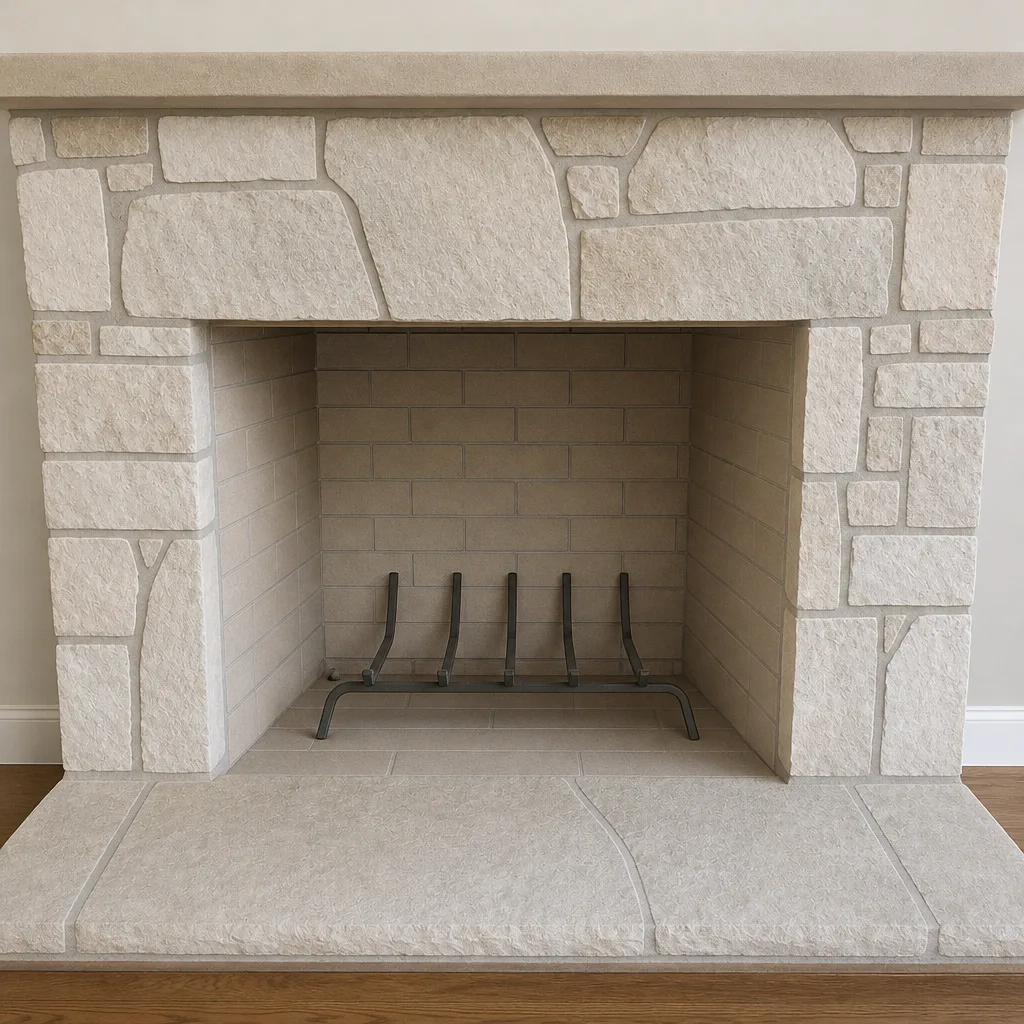
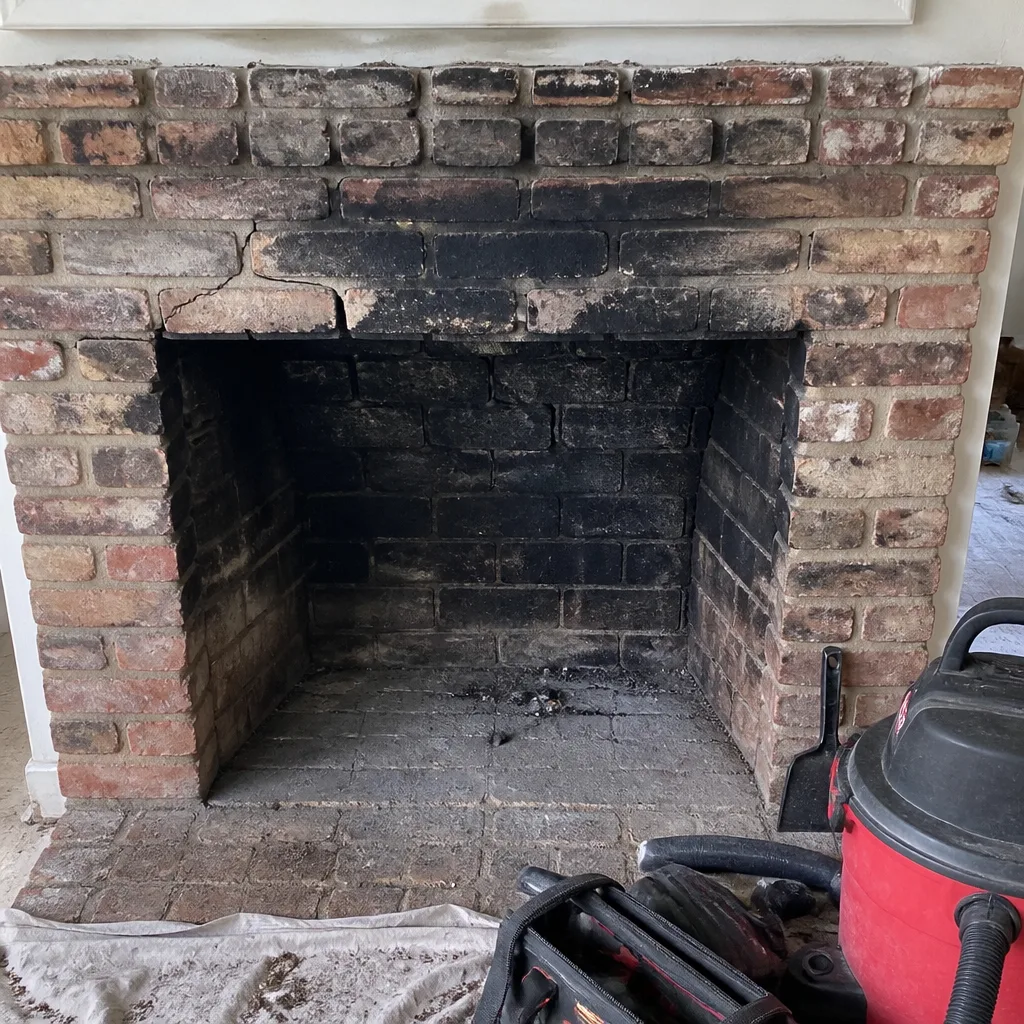
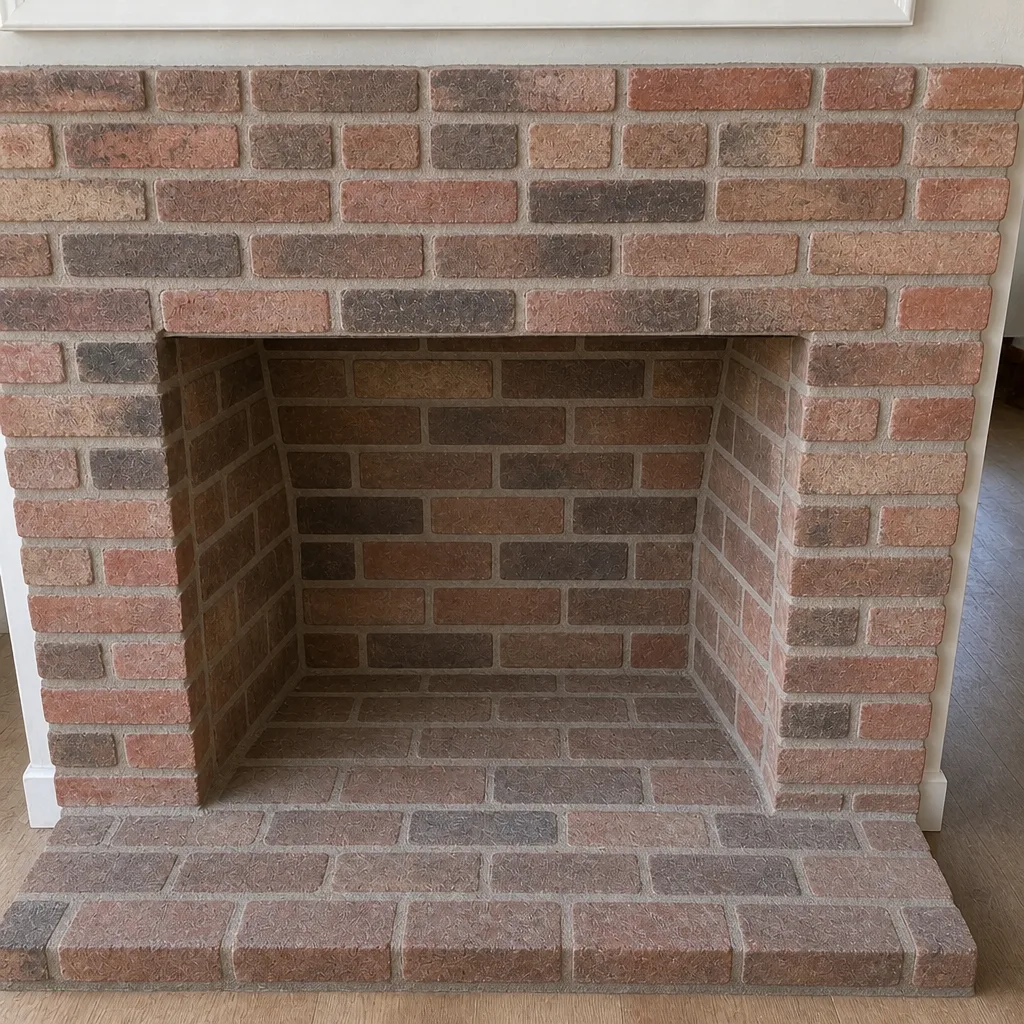
See the difference
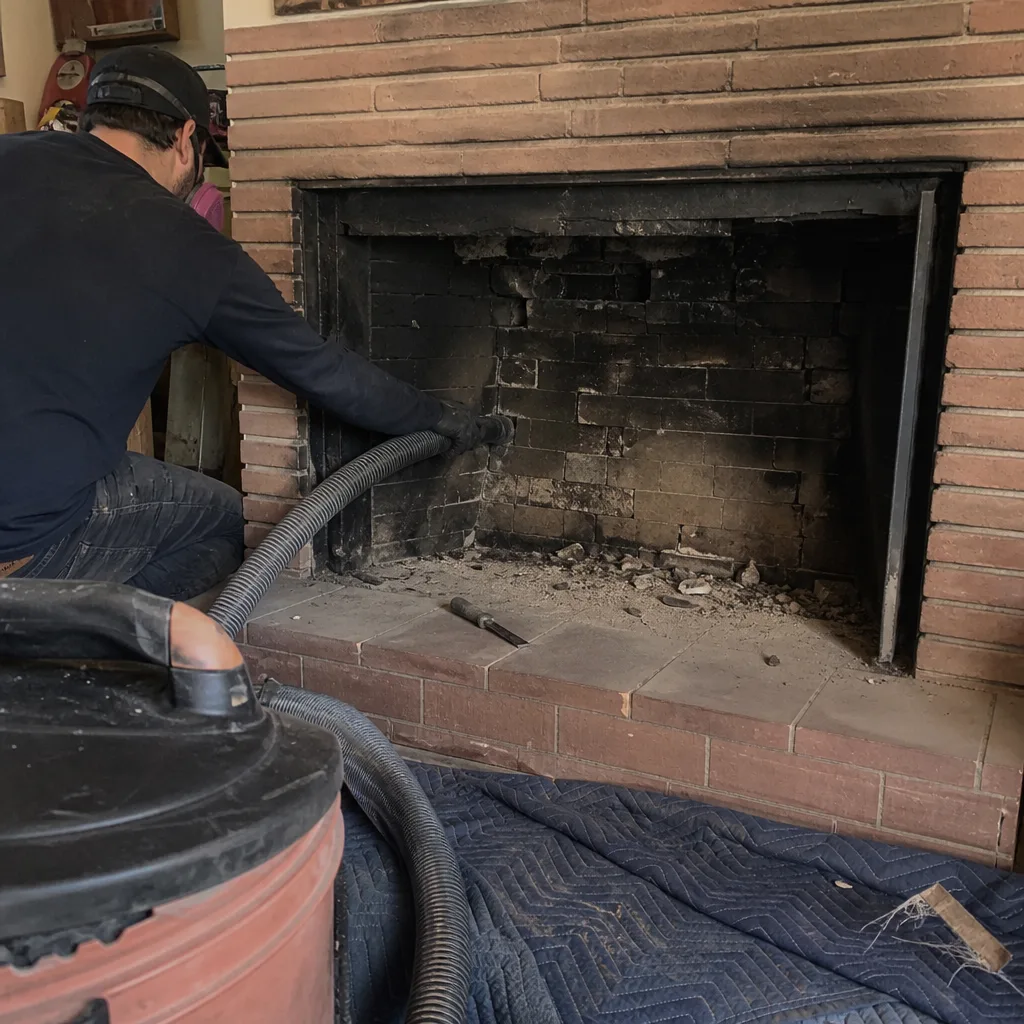 Before
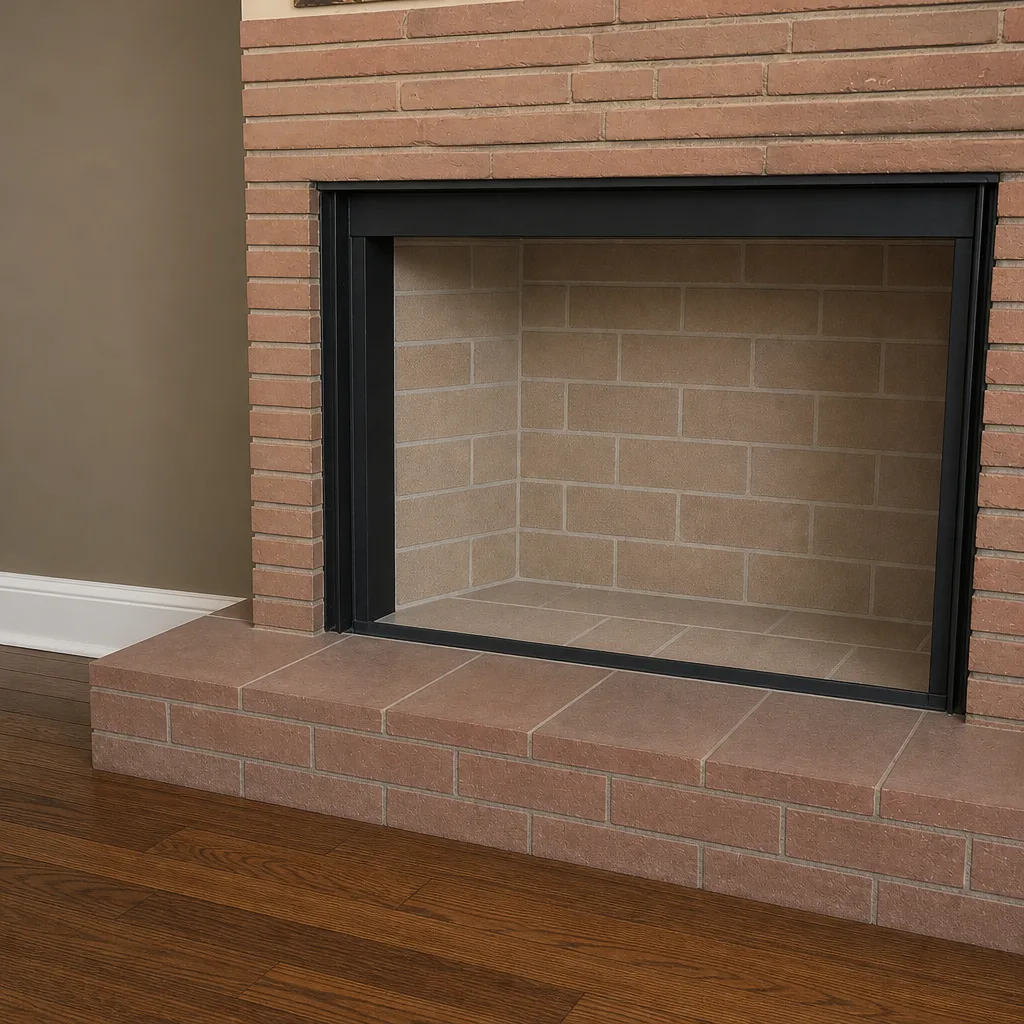 After
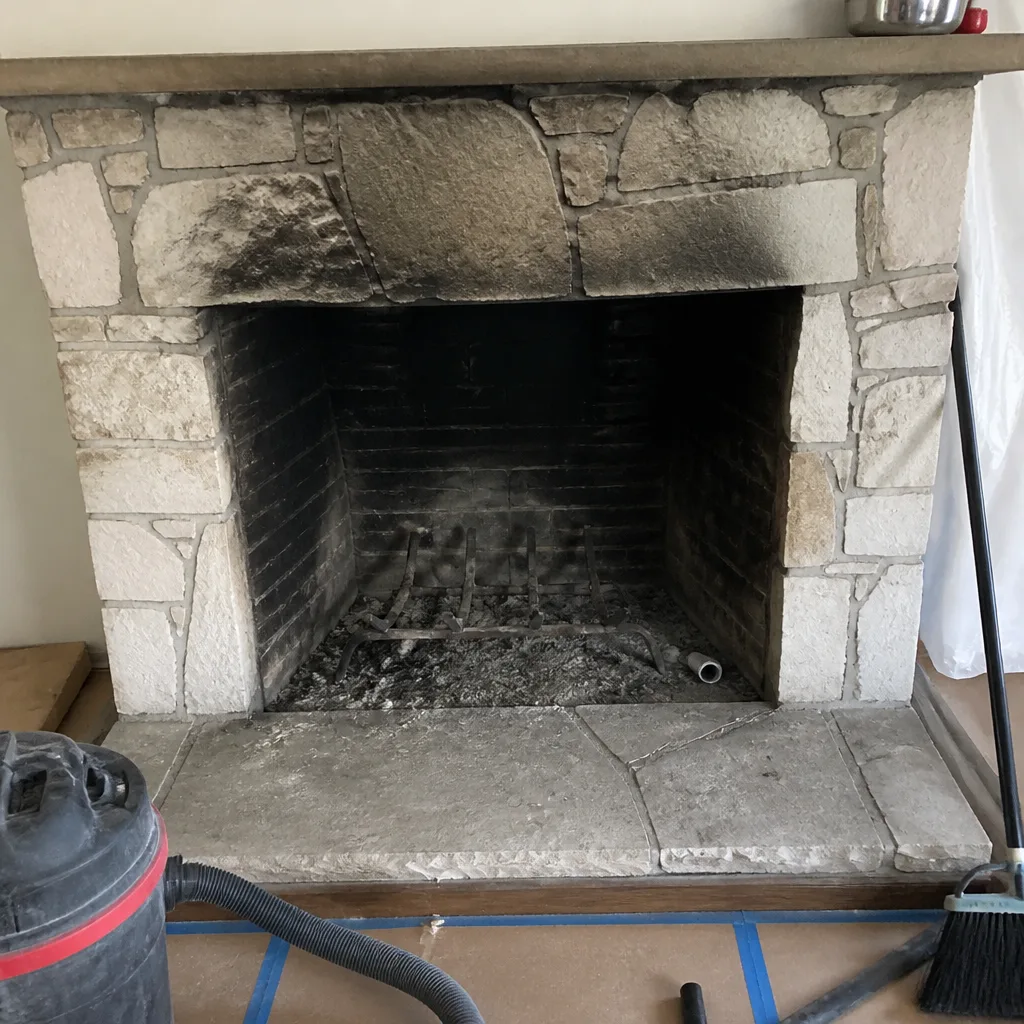 Before
 After
 Before
 After