
Last updated November 5, 2026
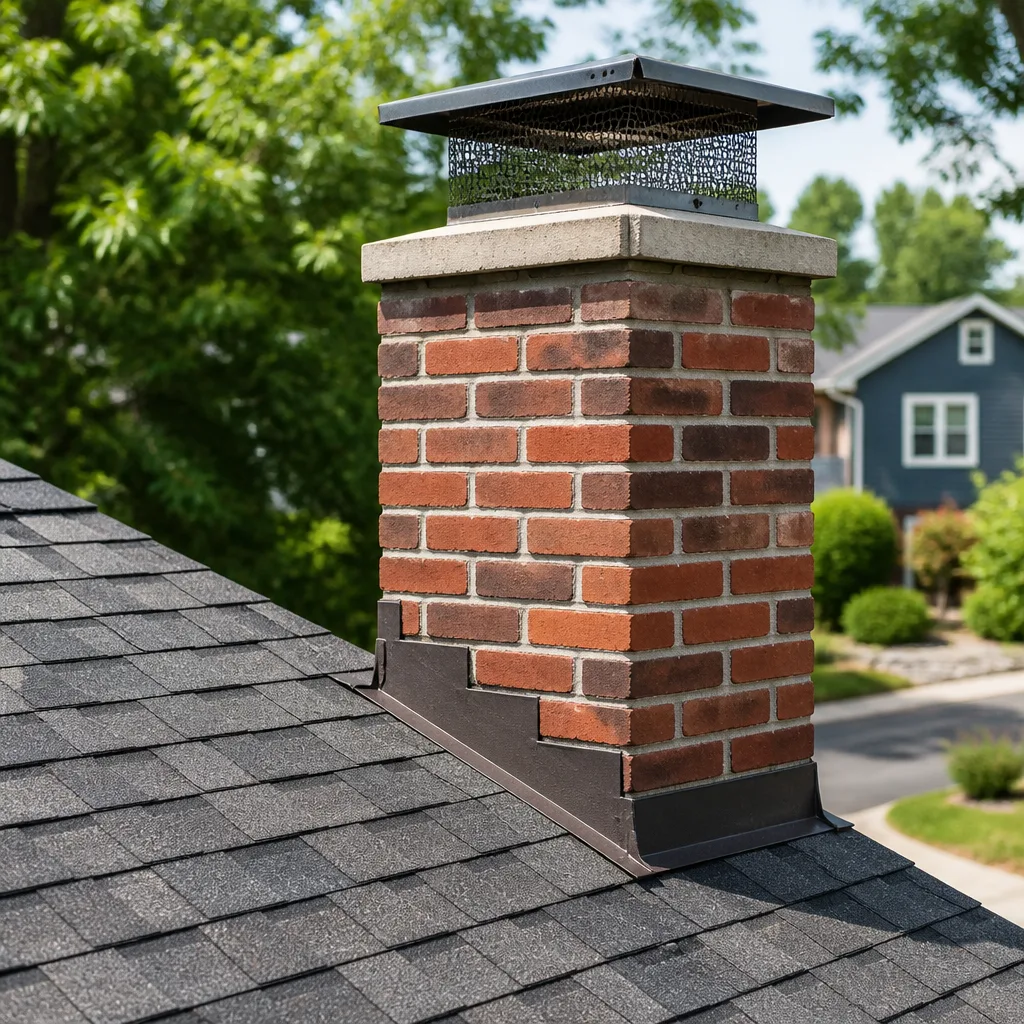 Sweep & inspection
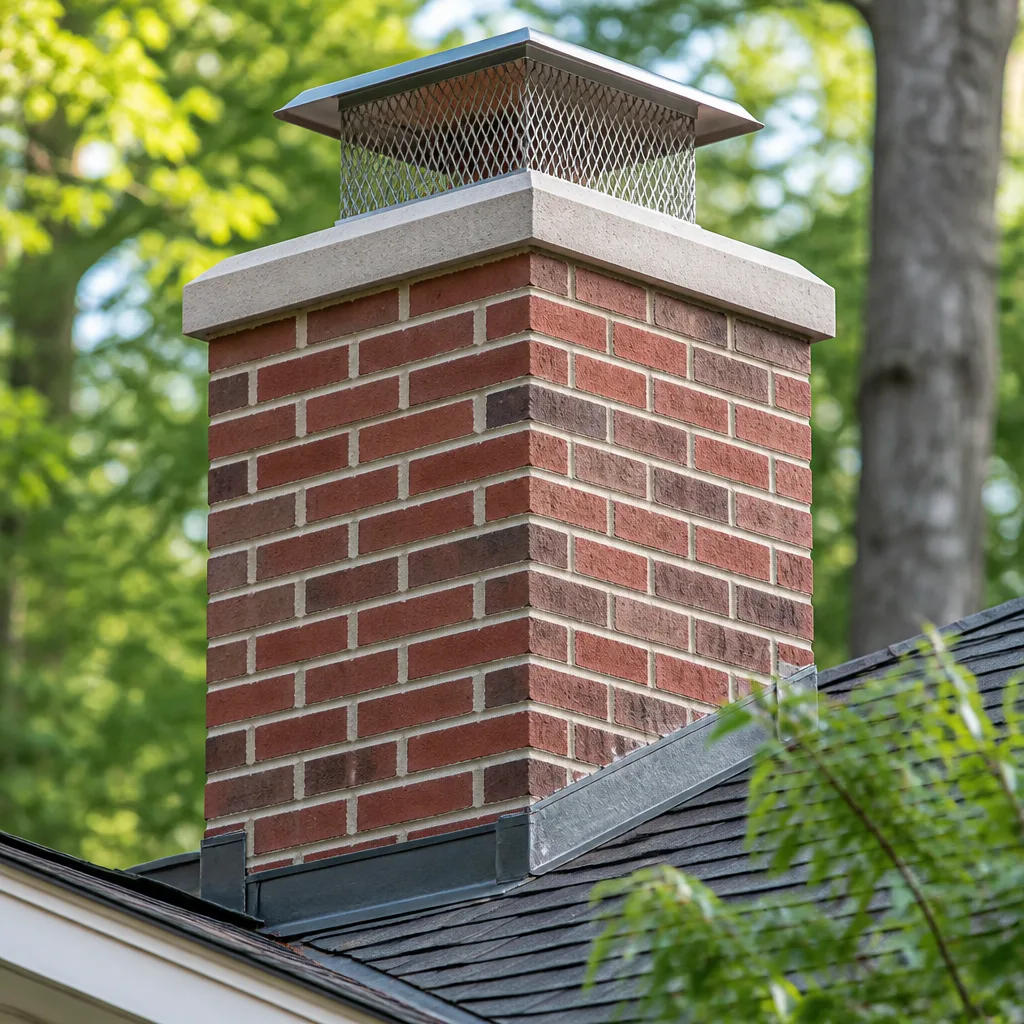 Caps & crowns
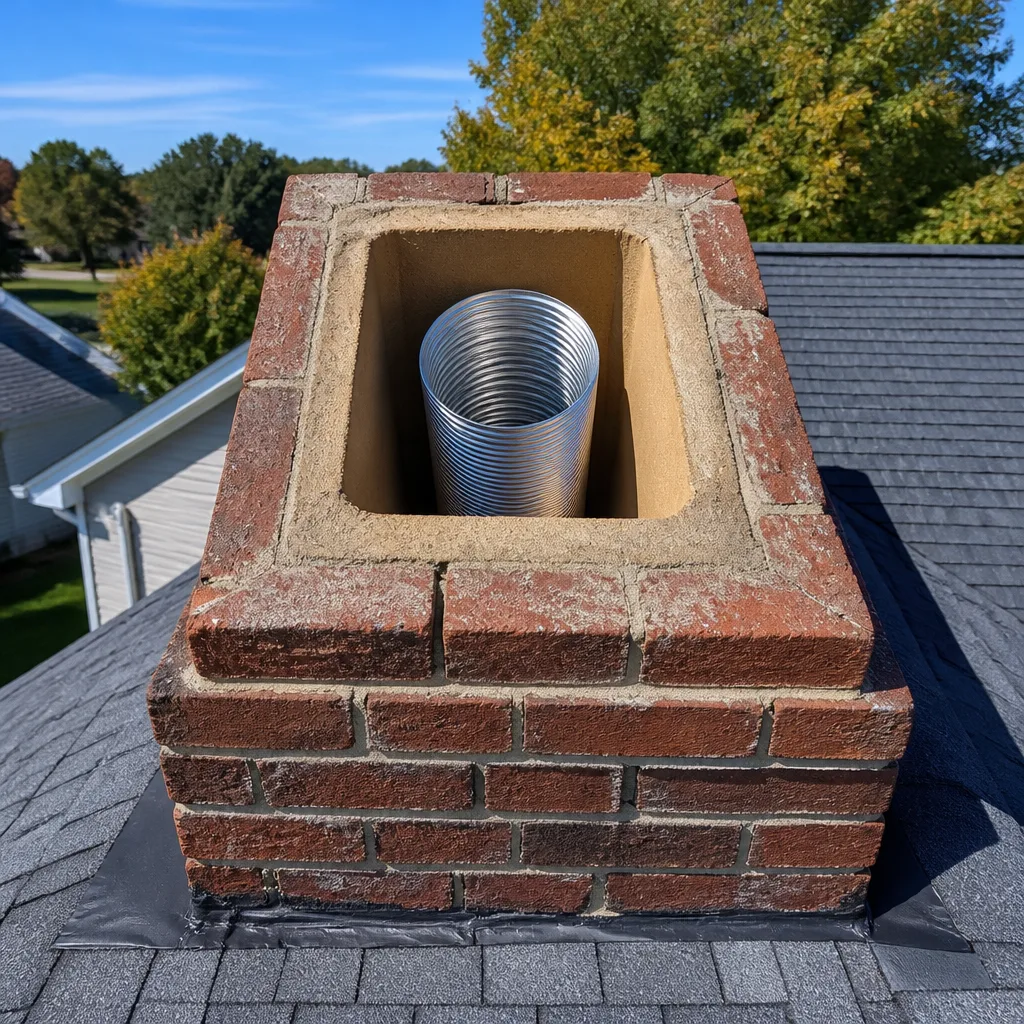 Flue relining
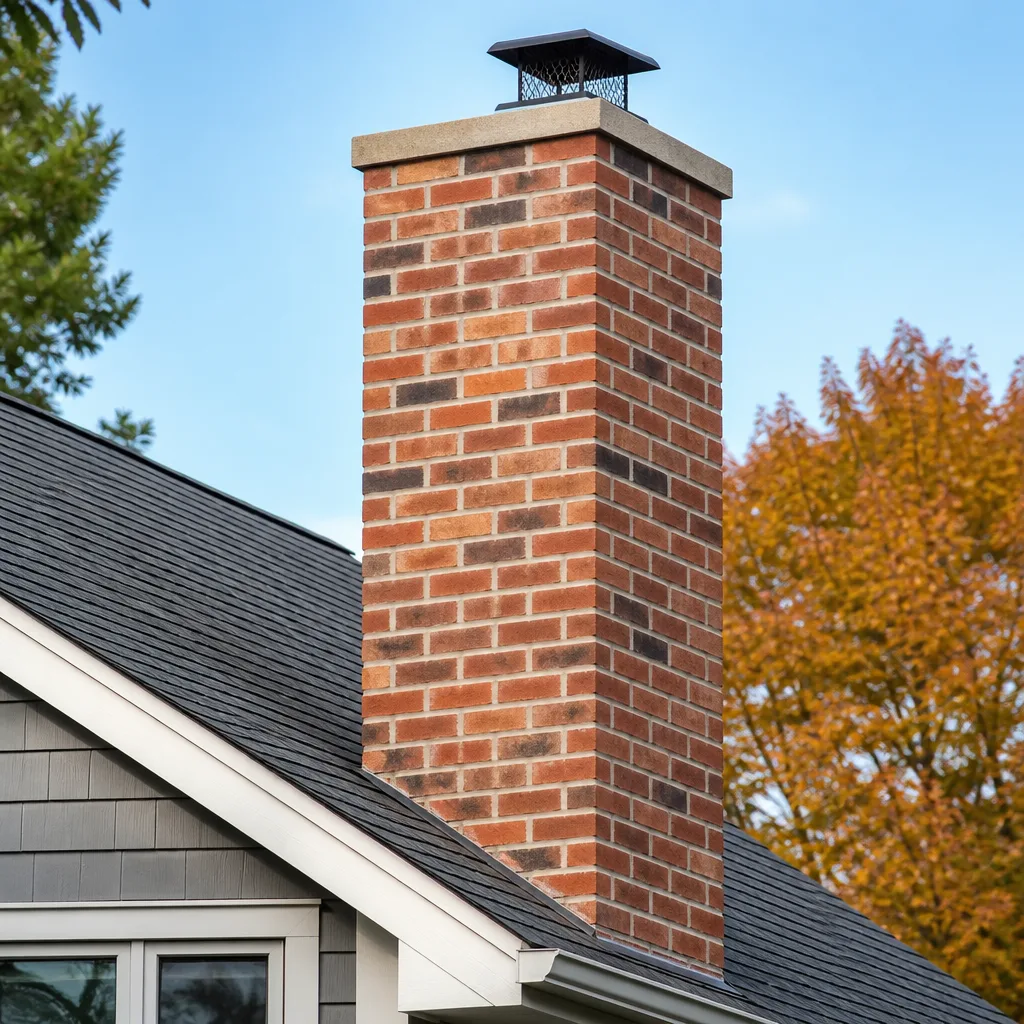 Masonry repair
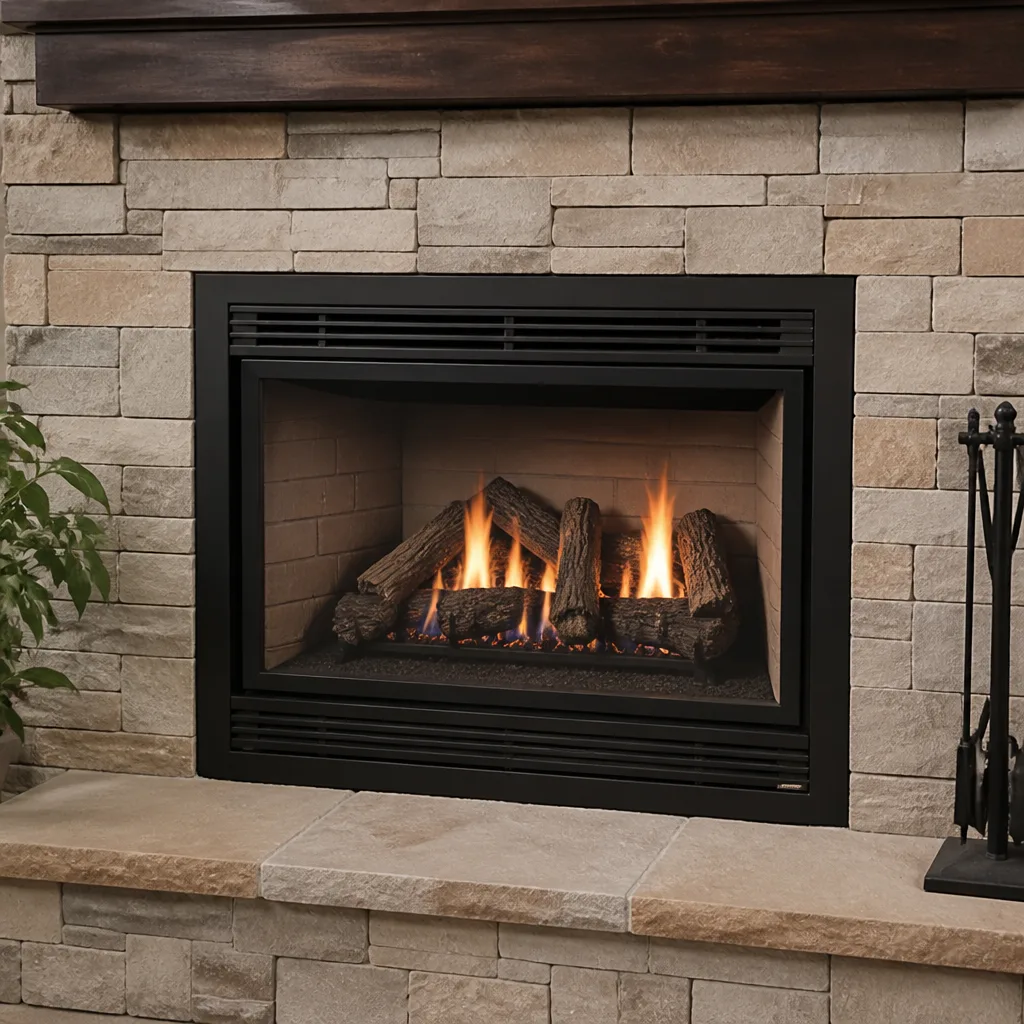 Gas fireplace service
Level 1 sweep and inspection to the NFPA 211 annual standard - flue, crown, cap, and flashing checked and photographed
Chimney sweep logs do not sweep chimneys. They loosen some creosote - which then falls where a brush and vacuum still have to collect it.
Seasonal Chimney Cleaning Care for Los Feliz: Year-Round Homeowner’s Guide
A chimney that sits dormant through a Los Angeles summer isn’t resting. It’s collecting moisture from the marine layer, nesting material from birds, and oxidizing metal components without the heat cycles that would otherwise reveal early damage. Los Feliz homeowners often assume a mild climate means less maintenance. The opposite is true. The lack of a true heating season creates a unique set of problems that cold-climate maintenance schedules never account for. This guide walks through what actually happens to a chimney in Los Feliz month by month, and what you should do about it before lighting that first fire in October.
Quick Answer
Los Feliz chimneys need a professional chimney sweep and inspection at least once a year, ideally in late summer or early fall before the first fire. The mild climate means fireplaces sit idle for months, which invites moisture intrusion, animal nesting, and component corrosion that a busy heating season would normally expose. Annual inspection is not a recommendation tied to how often you burn – it’s tied to what happens while you aren’t burning.
Styles & brands we work with
- Sweep & inspection
- Caps & crowns
- Flue relining
- Masonry repair
- Gas fireplace service
Table of Contents
- January Through March: The Quiet Burn Season
- April Through June: Marine Layer Season and What It Does
- July Through September: The Critical Pre-Season Window
- October Startup Protocol: What to Check Before the First Fire
- Santa Ana Wind Season: Debris, Caps, and Draft Reversal
- Why Occasional-Use Fireplaces Still Need Annual Inspection
- Why You Need a Chimney Inspected This Year in Los Feliz
- The Dryer Vent Connection: One Visit, Two Fire Hazards
January Through March: The Quiet Burn Season
During the first three months of the year, Los Feliz fireplaces see their heaviest use. Evenings dip into the 50s and low 60s, and a fire becomes a genuine source of warmth, not just ambiance. This is when creosote actually builds up. And it builds up faster than you might think. Because Los Feliz homes often burn soft woods like pine or use manufactured logs, combustion is incomplete. Creosote forms on flue walls, and each subsequent fire bakes it harder and harder until it becomes a glazed, tar-like substance that is difficult to remove without professional equipment.
This is also the season when damper problems become obvious. A damper that doesn’t seat correctly lets warm indoor air escape up the flue while the fire isn’t lit. You’ll notice it as a persistent draft in the room, a cold spot near the hearth, or a faint smoky smell even after the fire is out. None of these are normal. A functioning damper seals tightly when closed. During a sweep, we inspect the damper assembly for rust, warping, and seal quality – not just clean around it.
If you burn more than two or three times a week between January and March, you should schedule a professional chimney sweep before the next season begins. Not because the creosote is necessarily dangerous yet, but because letting it sit through a damp spring and summer only makes it harder to remove later. Glazed creosote bonds more strongly to flue surfaces when moisture is present. What could have been removed with standard rotary brushes in March becomes a much more involved job by September.
April Through June: Marine Layer Season and What It Does
By April, the fireplace goes dark. And that is exactly when the real problems start. Los Feliz sits far enough inland to avoid heavy coastal fog, but the marine layer still pushes up through the Los Angeles basin on many spring mornings. The air is damp, and it finds its way into an uncapped or poorly capped flue without any trouble.
Moisture is the enemy of every chimney component. It soaks into porous brick and mortar, where it lingers for weeks. When summer heat finally arrives, that trapped moisture expands and contracts the material, causing micro-fractures that widen over the years. The same moisture attacks metal components – dampers, flue liners, and cap hardware. Rust forms at connection points. Over several seasons, a rusted damper becomes inoperable, and a corroded liner develops pinholes that allow heat and gases to reach surrounding wood framing.
What surprises most Los Feliz homeowners is how quickly this happens. A chimney in a climate with regular freeze-thaw cycles gets a lot of attention because the damage is visible and dramatic. Here, the damage is slower and quieter. But it is happening every morning the marine layer rolls in and every afternoon the sun beats down on a damp flue. The solution starts with a properly sized, properly installed chimney cap. A cap does more than keep rain out. It blocks most moisture intrusion, keeps birds and rodents from nesting in the flue, and contains sparks that might otherwise land on your roof. We see uncapped chimneys in Los Feliz more often than we see capped ones, and it is the single most common source of preventable chimney damage.
July Through September: The Critical Pre-Season Window
Late summer is the most important time for chimney maintenance in Los Feliz. Not because the weather demands it, but because the calendar does. The first cool evening typically arrives in mid-to-late October, and every chimney service company in the area gets booked solid in the weeks before it. If you wait until you feel the chill, you’ll be competing for an appointment with thousands of other homeowners who did the same thing.
This is the time to have the chimney swept, inspected, and any necessary repairs completed. Here is what that process looks like when you call us:
- Visual walkthrough. The technician examines the firebox, damper, cap, and exterior masonry from both the roof and the hearth.
- Flue interior inspection. Using a camera, we inspect the full length of the flue liner for cracks, gaps, creosote buildup, and animal debris. You see the footage. No recommendations are made without visual evidence.
- Mechanical sweeping. Rotary brushes sized to your flue remove buildup without damaging the liner. The process is enclosed and leaves no dust in your living space.
- Post-sweep camera check. We re-inspect to confirm the flue is clean and identify any structural issues that were hidden under the creosote.
- Written report and recommendations. If something needs attention – a cracked liner, a rusted damper, a missing cap – we explain exactly what we found, what it means, and what the repair involves. We show up with the parts. HeatShield resurfacing materials and DuraFlex liner systems are on hand, so many repairs happen the same visit, not days later after parts are ordered.
Booking in July or August means your fireplace is ready the first evening the temperature drops. And it means you aren’t burning in an untested chimney after months of disuse.
October Startup Protocol: What to Check Before the First Fire
Before you light the first fire of the season, there are checks that should happen. Some you can do yourself. Some require a trained eye. Here is the full startup checklist we recommend for every Los Feliz homeowner:
- Clear the hearth area. Remove anything combustible within three feet of the firebox opening. This includes furniture, rugs, firewood stacked too close, and seasonal decorations.
- Open the damper fully. If it sticks, do not force it. A sticking damper often means rust in the mechanism, and forcing it can warp the frame.
- Look up the flue with a flashlight. From inside the firebox, look up. You should see straight up to daylight, with no visible blockage. If you see debris, nesting material, or cannot see the top, do not light a fire until it has been professionally inspected.
- Smell the firebox. A strong, acrid odor suggests creosote buildup. A damp, musty smell suggests moisture intrusion. Both warrant a professional look before burning.
- Check the exterior cap from the ground. Look for visible rust, leaning, or missing sections. A damaged cap cannot do its job.
- Do a test burn. Light a small fire with dry hardwood. Watch how the smoke behaves. It should draw smoothly up the flue and out. If smoke rolls back into the room, stop the fire and call a professional.
If anything on this list looks or sounds wrong, do not proceed with a full fire. A chimney that has sat for months can develop hidden problems, and the first burn is where they reveal themselves – sometimes violently. The safest approach is to have a professional inspection before the first fire, not after something fails.
Santa Ana Wind Season: Debris, Caps, and Draft Reversal
Santa Ana winds are a defining feature of autumn in Southern California. For Los Feliz homeowners, they create specific chimney problems. The winds gust through the hills, dropping leaves, twigs, and other debris onto roofs. If your chimney cap is damaged or missing, that debris lands directly inside the flue. A single strong Santa Ana event can fill a flue with enough material to block it entirely.
Wind also affects draft. A strong gust across the top of a chimney creates a pressure differential that can reverse the draft, pushing smoke back down into the house. This is uncomfortable at best and dangerous at worst. A properly designed cap helps mitigate this by creating a stable pressure zone at the flue opening, but the cap has to be intact and correctly sized for your flue. Caps that are loose, rusted through, or improvised from hardware store parts don’t perform consistently in high wind.
After any sustained Santa Ana event, do a quick visual check of your chimney from the ground. Look for:
- A cap that has shifted or tilted
- Loose flashing at the roofline
- Debris visible around the cap or in the flue opening
- Broken tree branches on or near the roof
If you notice any of these, or if you notice smoke behaving strangely during a windy burn, schedule an inspection. The fix is often simple – a new cap from Olympia Chimney or Copperfield, installed correctly – but leaving it unaddressed through the wind season can compound the problem quickly.
Why Occasional-Use Fireplaces Still Need Annual Inspection
Some Los Feliz homeowners burn fewer than ten fires a year. They reason that low usage means low creosote, which means no maintenance needed. That logic has a hole in it. Creosote is not the only thing that damages a chimney. The moisture, animal, and component degradation issues described above happen whether you burn or not. A chimney that never gets used is often in worse structural shape than one that burns regularly, because regular heat cycles dry out the flue and keep it from staying damp for months at a time.
Even with minimal creosote, an unlined or damaged flue is a fire hazard every time it is used. And a fireplace used once a year is still introducing heat and sparks into a flue system that may have been deteriorating quietly for eleven months. The risk is not proportional to usage. The risk is present whenever a fire happens, and the condition of the flue is what determines the outcome.
Our recommendation is simple: every fireplace gets an annual inspection, regardless of burn frequency. For most Los Feliz homes, that inspection takes about an hour and costs less than any repair that comes from skipping it.
Why You Need a Chimney Inspected This Year in Los Feliz
Homeowners in Los Feliz are not asking the right question. The question isn’t “does my chimney need cleaning?” It’s “what is the condition of my chimney, and has it changed since last year?” Cleaning is one part of the answer. Inspection is the rest.
Here is what a full inspection covers that a basic sweep does not:
- Flue liner condition. Cracked clay liners, missing mortar joints, and corroded metal liners are visible on camera. These are the defects that lead to house fires, and they are often silently developing for years before anything fails.
- Masonry and crown integrity. The mortar crown that seals the top of the chimney against water deteriorates over time. Cracks in the crown let water into the brick structure, which accelerates spalling – the flaking and crumbling of brick faces that you see on aging Los Angeles chimneys.
- Damper operation. A damper that doesn’t fully open creates incomplete combustion and smoke issues. A damper that doesn’t fully close wastes energy and invites pests. Both conditions are common and both are repairable.
- Clearances to combustibles. Building codes require specific distances between the firebox, flue, and surrounding framing. Older Los Feliz homes sometimes have noncompliant clearance situations that were up to code when built but are not acceptable today.
- Cap, spark arrestor, and chase cover condition. These are the first line of defense against moisture, animals, and wind. They take the most weather exposure and fail first.
When a chimney is inspected, the goal is to catch problems at the point where they are inexpensive to fix. A cracked crown is a small mortar repair. A collapsed flue liner is a full relining project. The gap between those two outcomes is usually one or two years of inattention.
The Dryer Vent Connection: One Visit, Two Fire Hazards
Every Los Feliz home has at least two systems that move heated air out of the house: the chimney and the dryer vent. Both accumulate lint and debris. Both are fire hazards when neglected. And both are often overlooked in the same house, at the same time.
Dryer vents clog with lint even when the lint trap is cleaned after every load. Fine particles pass through the trap and settle in the vent pipe, building up over months and years. The result is restricted airflow, longer drying times, and eventually enough heat to ignite the lint. The U.S. Fire Administration has identified dryer vent fires as a leading cause of residential structure fires, and in our experience, the worst clogs are in vents that haven’t been touched since the dryer was installed.
The practical solution is to have dryer vent cleaning done on the same visit as your chimney sweep. One call, one crew, two of the most significant household fire risks addressed in a single appointment. It is not an add-on upsell. It is the most efficient way to handle two maintenance tasks that most homeowners forget until something goes wrong. Our team works with Famco and Gelco venting components, so if we find a damaged vent cap or a section of flex pipe that has collapsed, we can replace it on the spot rather than scheduling a follow-up.
Common Mistakes to Avoid
- Waiting until October to schedule a sweep. Every chimney company in Los Angeles books heavily in October. Scheduling in July or August means you choose your time slot, not whatever is left.
- Burning manufactured logs in a dirty chimney. Manufactured logs produce predictable heat output, which is fine in a clean flue. But they also produce finer particulate that adheres to existing creosote and makes it harder to remove later. Get the flue clean first.
- Using a fire without checking the cap. A missing cap is an open invitation to birds, rodents, and debris. Animals that nest in chimneys create blockages and fire hazards, and nesting material can smolder inside the flue even after the animals leave.
- Ignoring a smoky fireplace. Smoke in the room is always a symptom of something. Draft problems, a clogged flue, a partially closed damper, or a flue that is too short for the roof. None of these fix themselves.
- Closing the damper when the fire is still warm. Embers can smolder for hours. Closing the damper traps carbon monoxide in the house. Wait until the fire is fully out and the embers are cold.
- Assuming a house with a gas fireplace doesn’t need chimney maintenance. Gas fireplaces still vent through the chimney, still collect debris in the flue, and still need caps and dampers maintained. A blocked vent for a gas appliance is a carbon monoxide risk, not just a soot issue.
- Postponing a known repair because “we barely use it.” Structural problems get worse with time, not with use. The moisture and corrosion that damage an idle chimney are precisely why an unused fireplace can be more dangerous than a heavily used one.
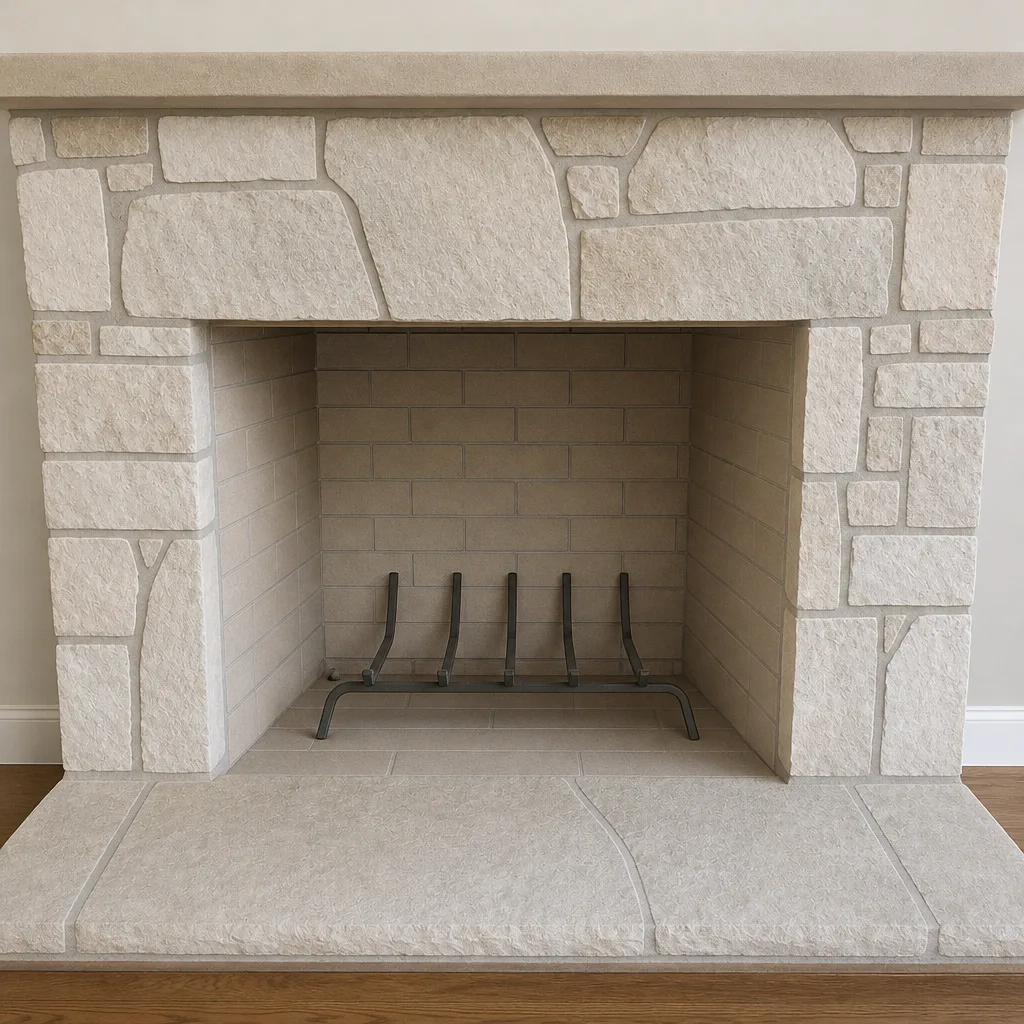
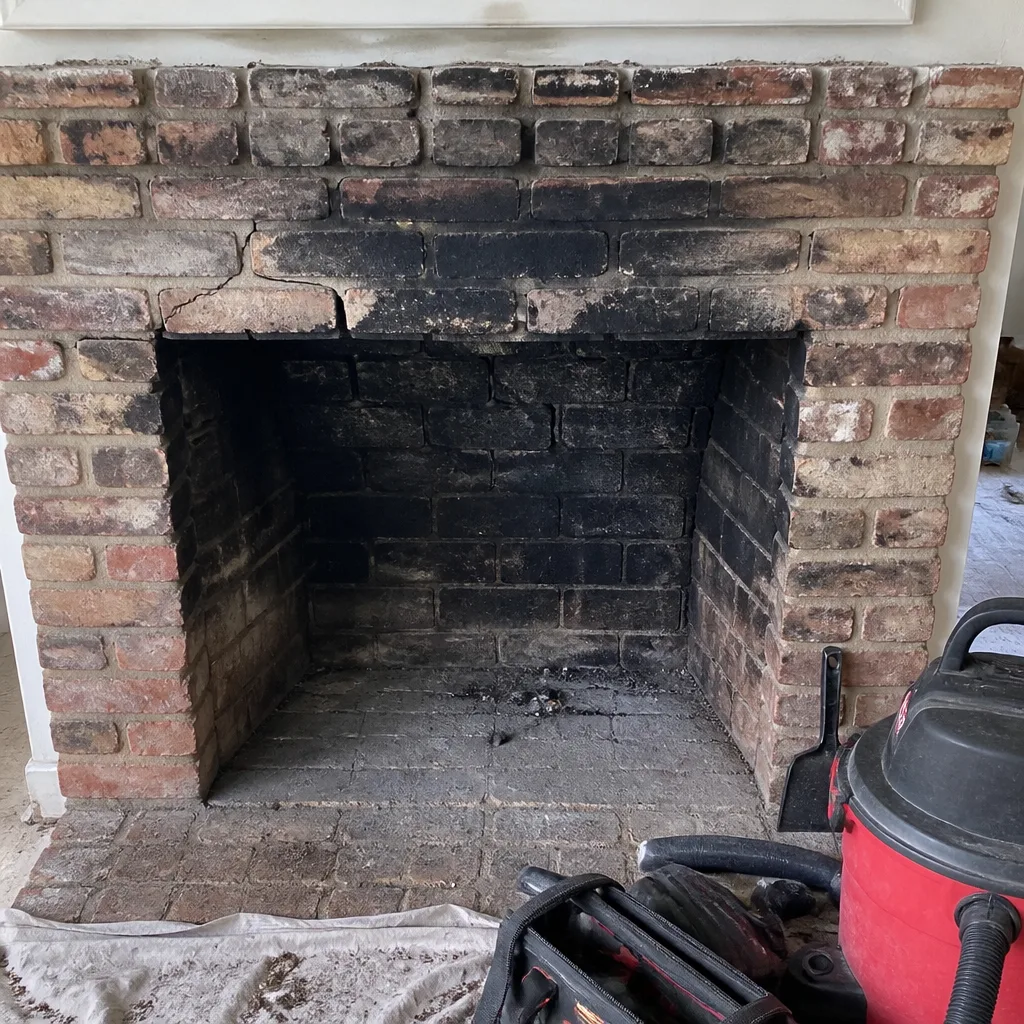
See the difference
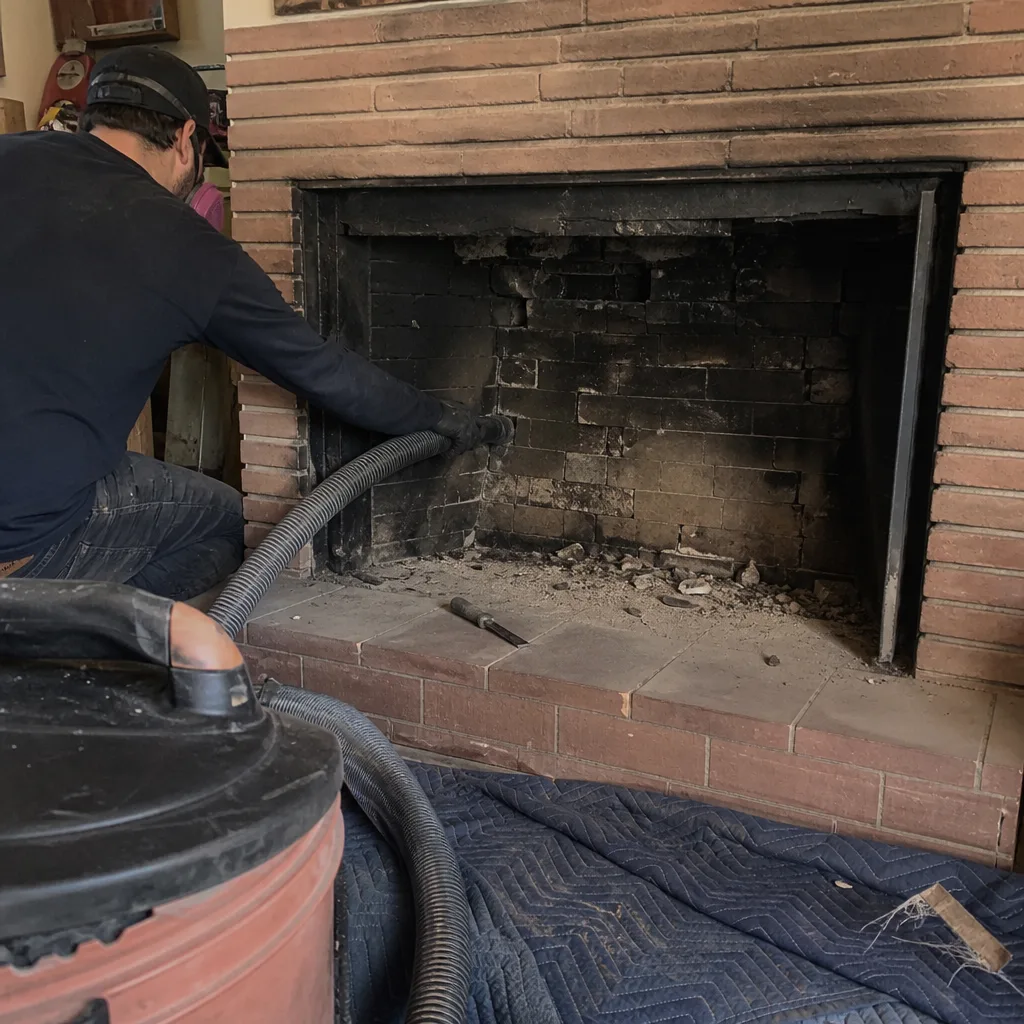 Before
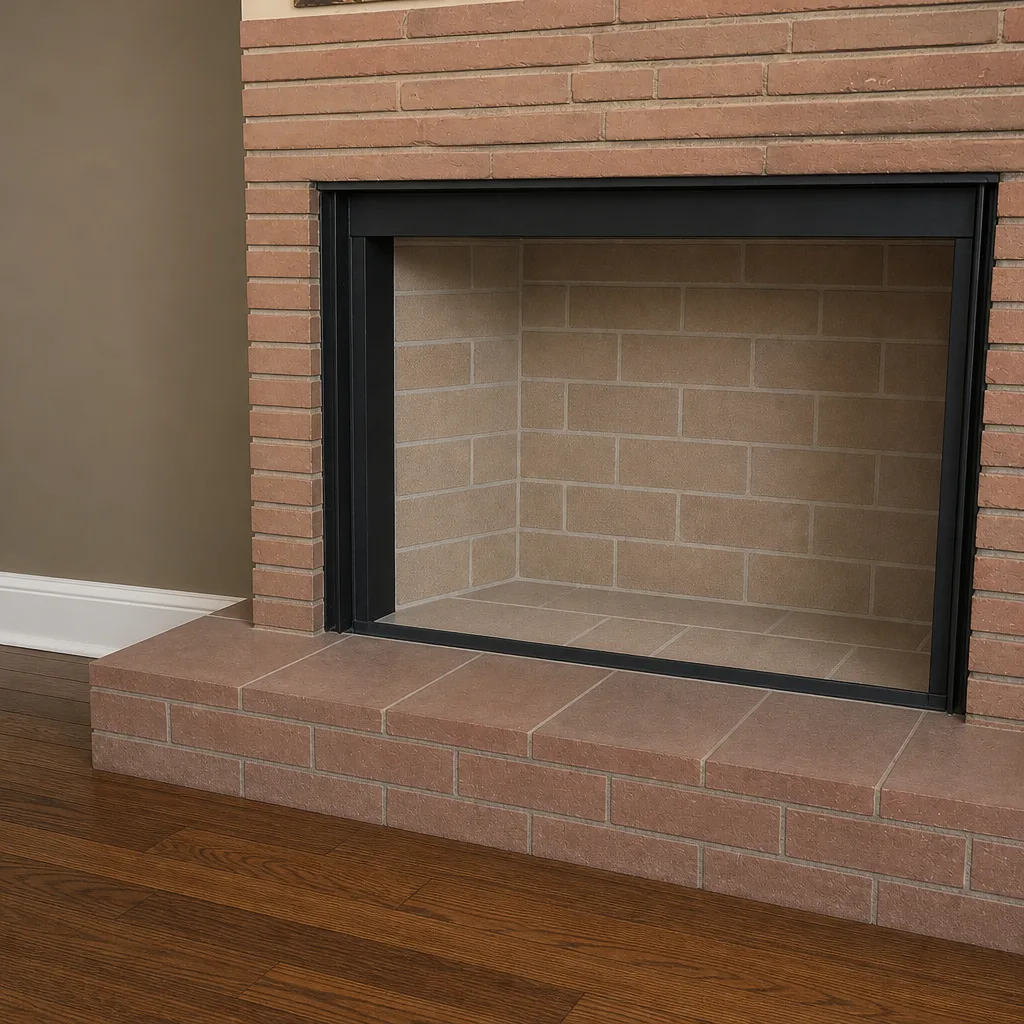 After
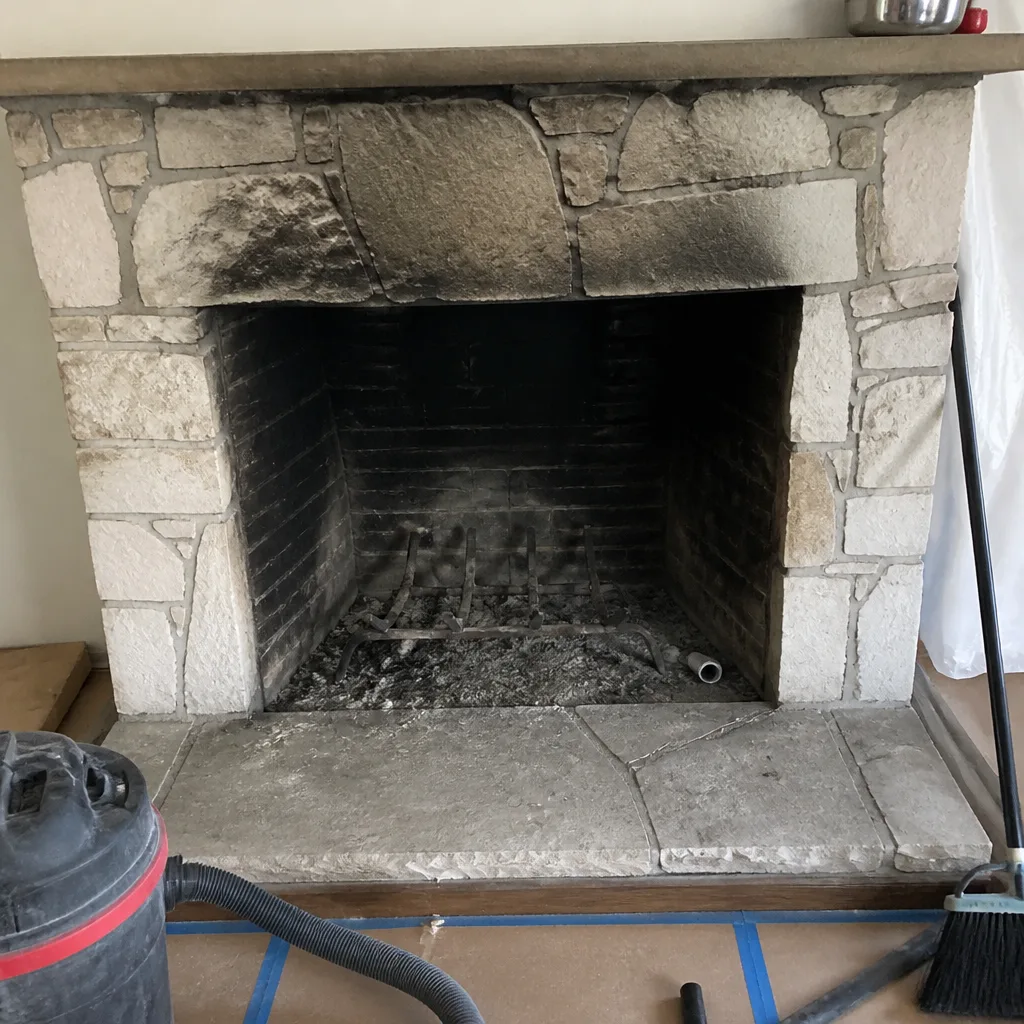 Before
 After
 Before
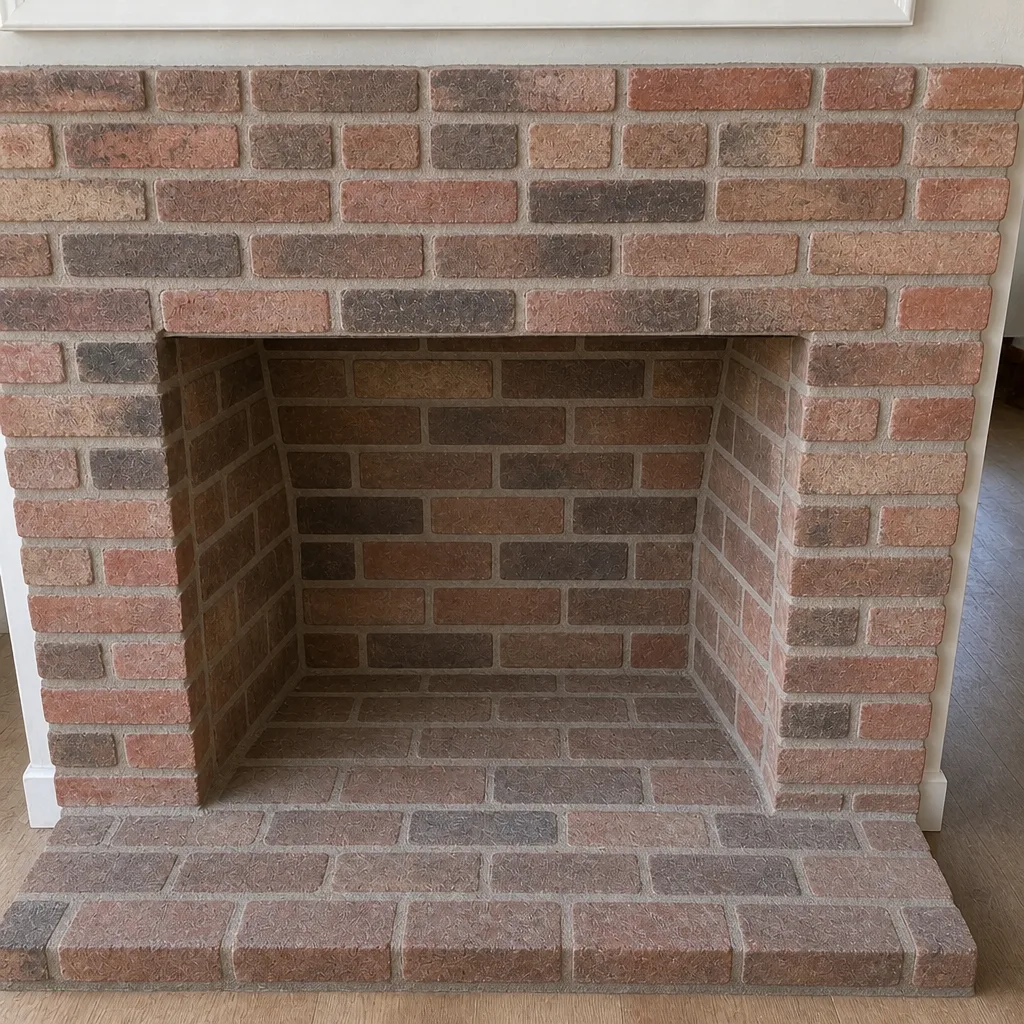 After
When to Call a Professional
Some situations call for professional attention immediately. If you smell smoke when the fireplace is not in use, you likely have a chimney blockage or a damper sealing problem. If you see cracks in the firebox brick, especially cracks wider than a quarter inch, the structural integrity of the firebox may be compromised. If animals are nesting in the chimney, you have a health and fire hazard that needs professional removal and a proper cap installation to prevent recurrence. If water is entering the firebox during rain, the crown or cap has failed. And if you have any doubt about what you are seeing, a camera inspection will answer it.
Chimney Sweep Los Feliz offers free estimates in Los Feliz. Call (833) 467-6692 to schedule a sweep, inspection, or repair consultation. We answer 24/7. Fast dispatch from 7am to 7pm, Sunday through Friday.
Frequently Asked Questions
A standard chimney sweep and inspection in Los Feliz is priced per job by written estimate, and the estimate is free. The cost depends on the size and condition of the flue, the type of liner, and whether additional services like cap replacement or masonry repair are needed. Call (833) 467-6692 for an exact quote after a brief phone assessment.
A chimney in Los Feliz should be swept and inspected at least once per year, regardless of how often the fireplace is used. The mild climate creates moisture and animal-related issues that accumulate even when the fireplace sits idle, so the annual schedule should be based on the calendar, not on burn frequency.
You cannot assess liner condition from outside the chimney. The only way to know is with a camera inspection of the flue interior. Cracks, gaps, and corrosion are hidden from view and often exist for years before they cause a fire or structural failure. If the camera shows damage, HeatShield resurfacing or a DuraFlex relining system can restore the flue without tearing apart your masonry, and we stock both so the work can often be done the same visit.
Creosote build-up, moisture intrusion, and component corrosion all compound. A flue that needed a $200 sweep after one year of neglect may need a full relining after five. The safety hazard also changes: creosote becomes glazed and harder to remove, and liner cracks widen until they allow heat to reach surrounding structure. Skipped maintenance always costs more in the end.
Yes. Sustained high winds from Santa Ana events can loosen cap hardware, bend metal components, and shift caps out of position. After a strong wind event, check your cap from the ground for visible tilting or gaps. A damaged cap should be replaced before it allows debris, moisture, or animals into the flue. We carry caps from Olympia Chimney and Copperfield, so a suitable replacement is on the truck, not on backorder.
It is efficient to do so. Both are fire hazards that require periodic cleaning, and a single visit eliminates both risks. The processes are different – a chimney sweep uses rotary brushes inside the flue, while dryer vent cleaning uses specialized tools to remove lint from the vent pipe – but the same team can handle both in one appointment at no additional trip charge.
The Bottom Line
A Los Feliz chimney needs attention year-round, not just during burn season. The marine layer and mild temperatures create conditions that quietly damage flues, caps, and dampers while the fireplace sits unused. Annual inspection catches these problems early, before they become expensive structural repairs. And the fall startup protocol ensures that the first fire of the season is safe, not a gamble. Schedule a sweep and inspection in late summer, keep an eye on the cap during Santa Ana season, and handle dryer vent cleaning on the same visit. The payoff is a fireplace that works when you want it and doesn’t surprise you when you least expect it.
Written by the team at Chimney Sweep Los Feliz, serving Los Feliz since 2011.