
Last updated November 5, 2026
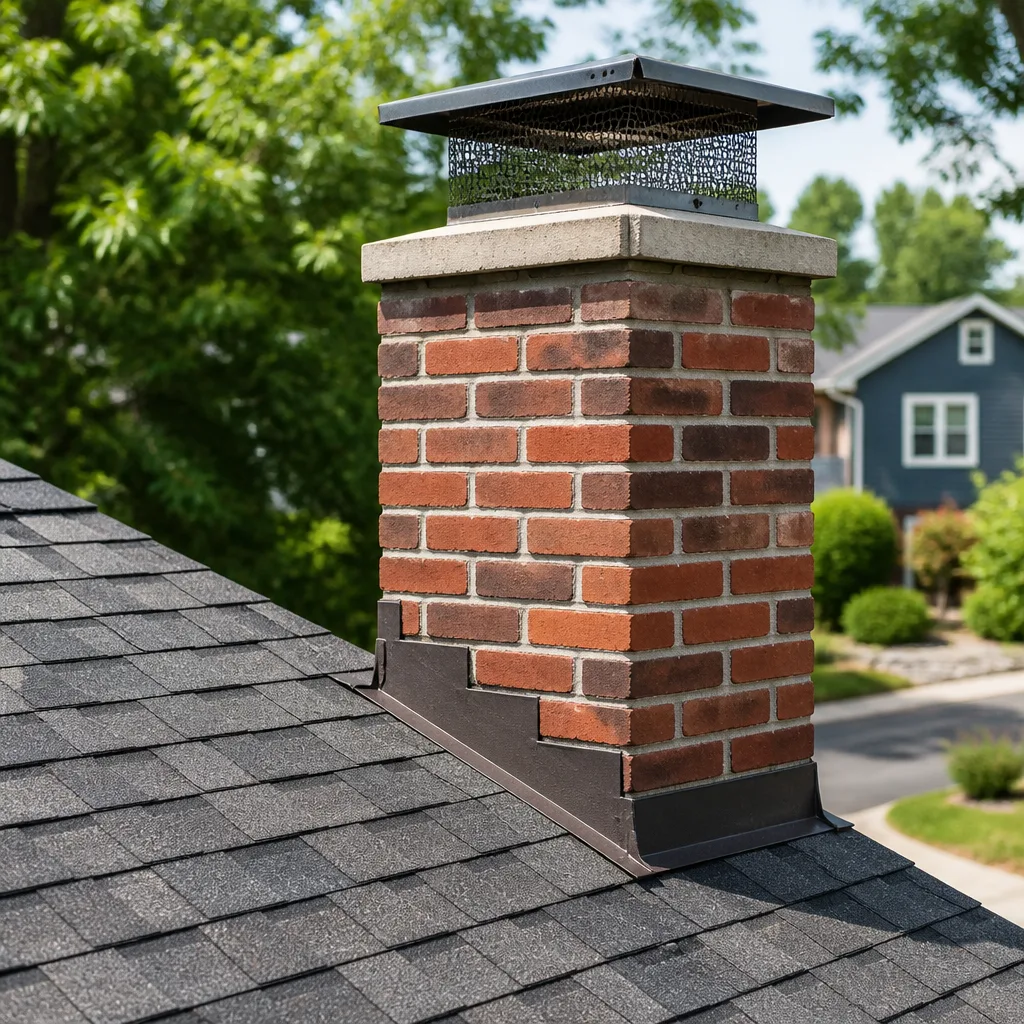 Sweep & inspection
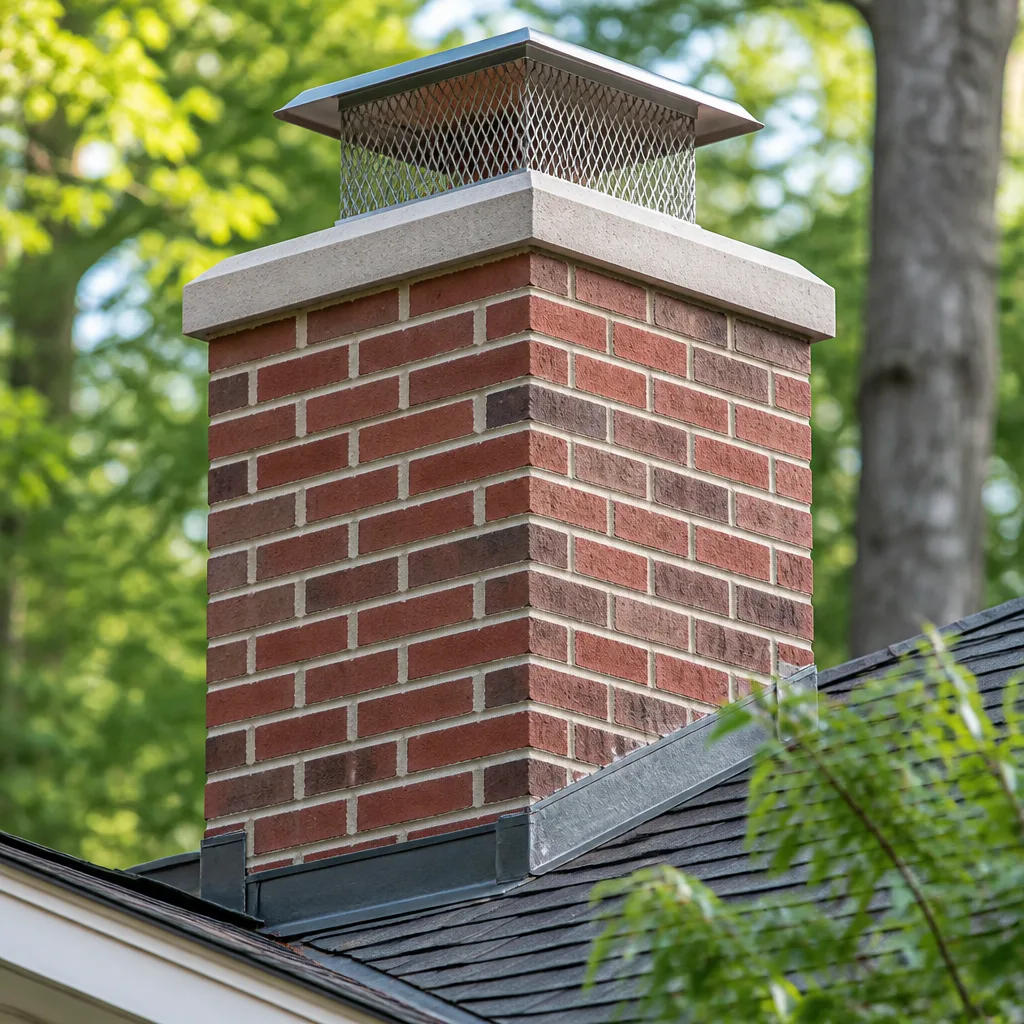 Caps & crowns
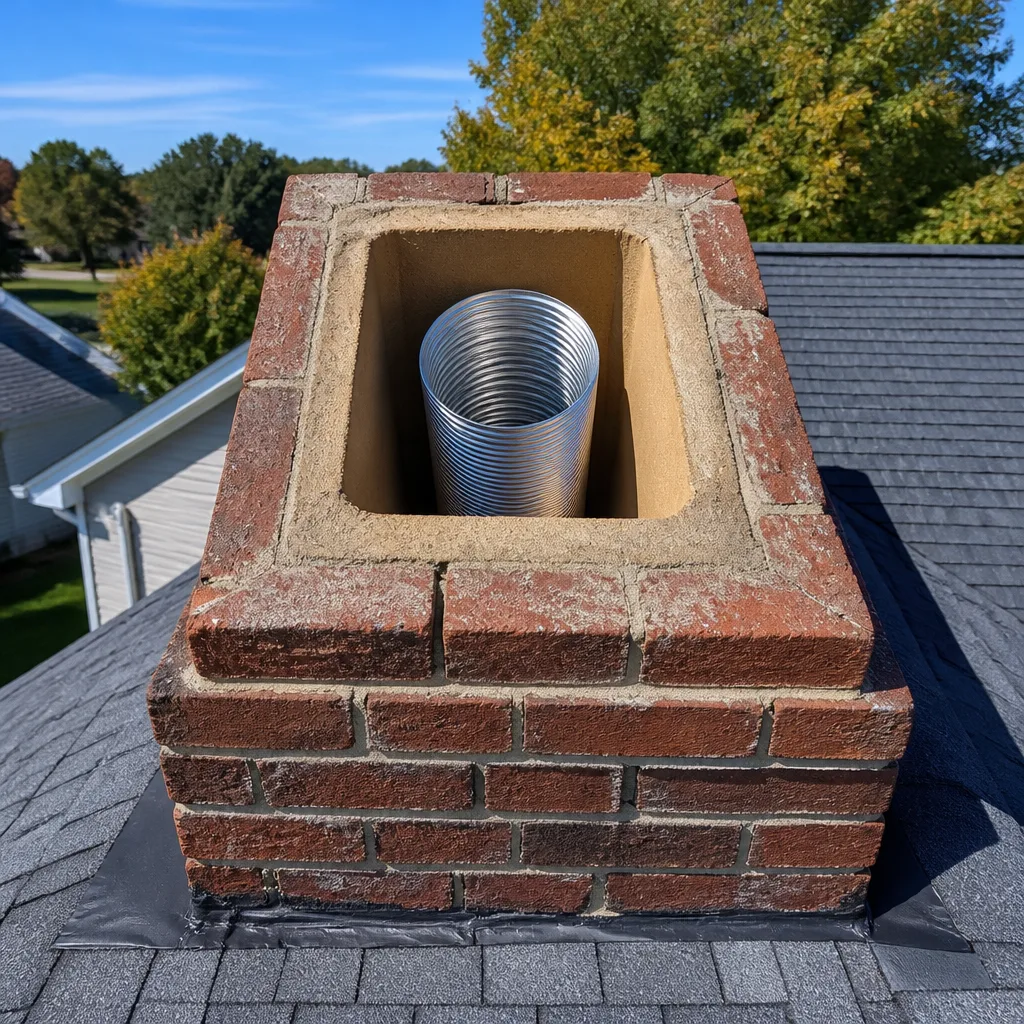 Flue relining
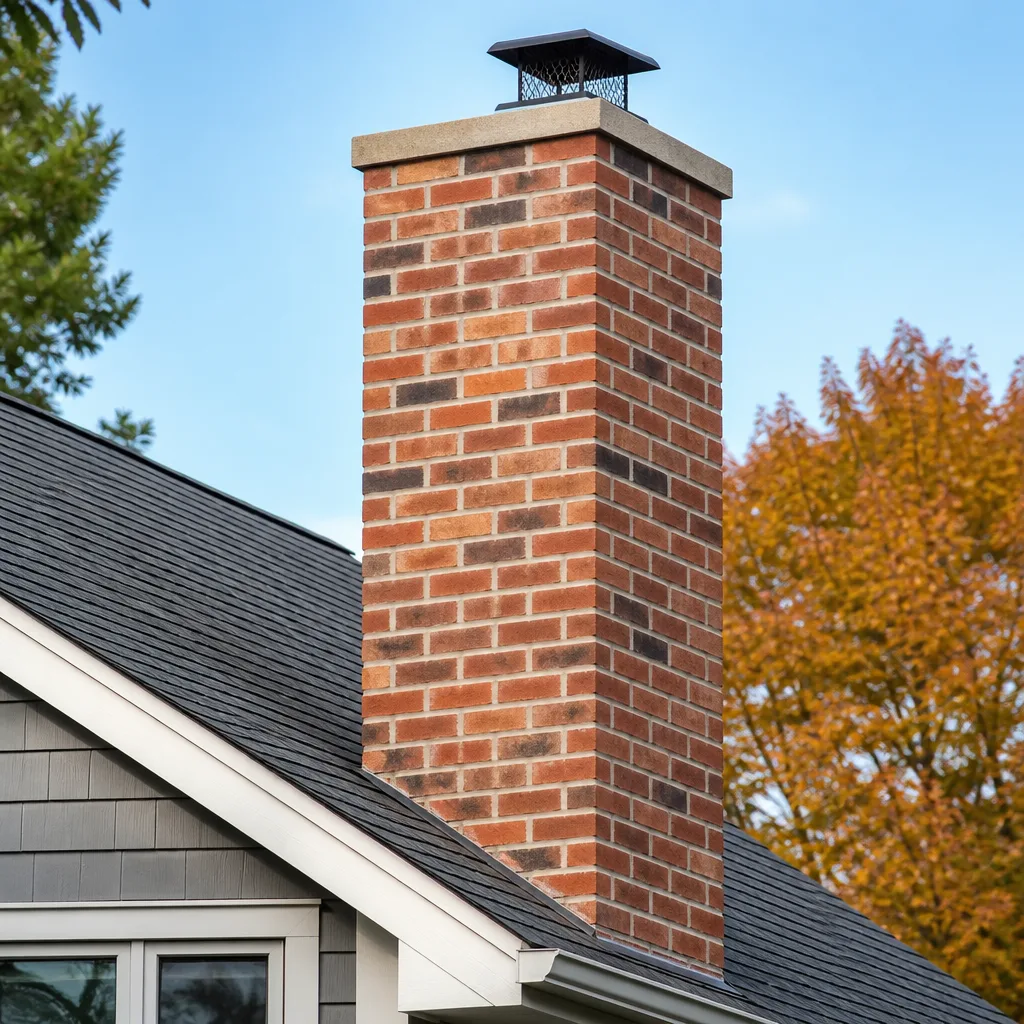 Masonry repair
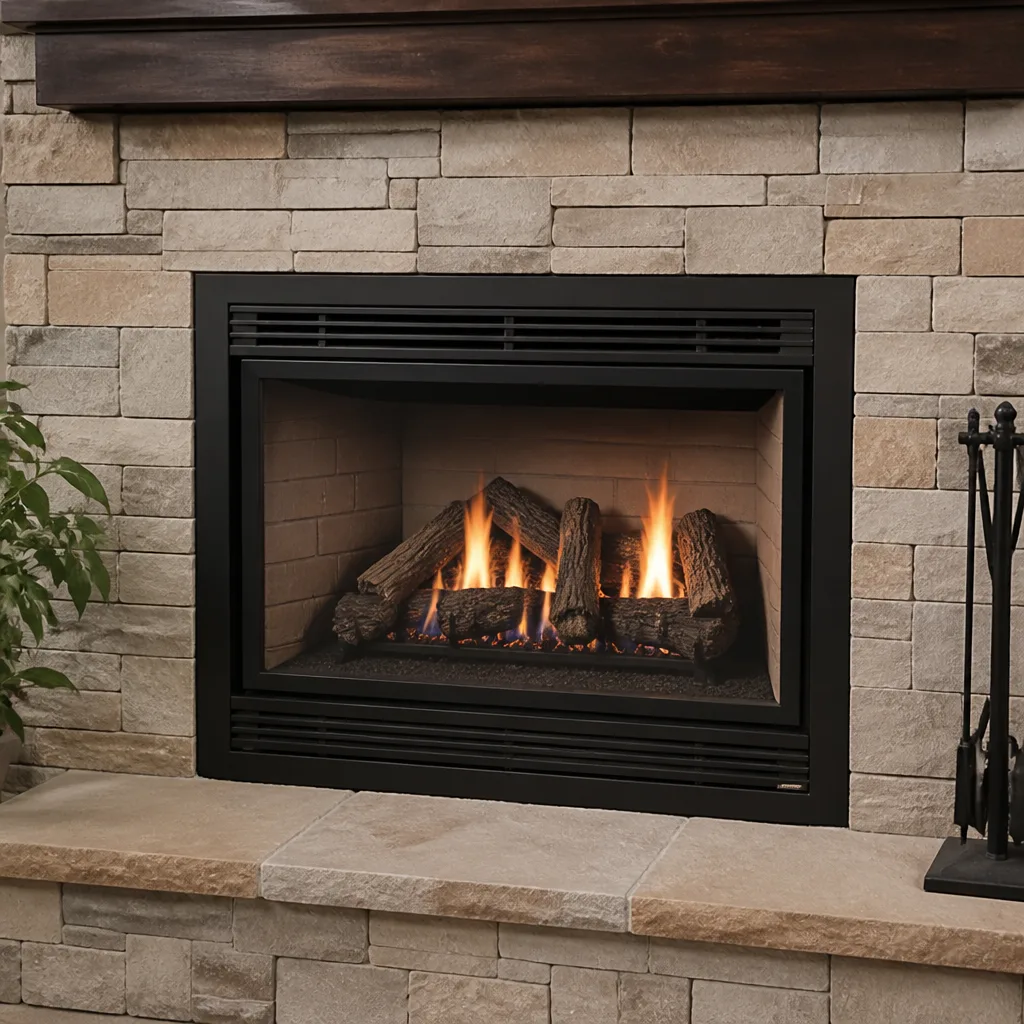 Gas fireplace service
Level 1 sweep and inspection to the NFPA 211 annual standard - flue, crown, cap, and flashing checked and photographed
Chimney sweep logs do not sweep chimneys. They loosen some creosote - which then falls where a brush and vacuum still have to collect it.
Chimney Cleaning Emergency Preparedness Guide for Los Feliz Homes
A clay tile flue can look perfectly intact from the top and still have a hairline crack running half its length, a crack that opened during a chimney fire that seemed to burn itself out in under a minute. The fire goes quiet, the smoke thins, and the natural assumption is that the worst is over. But combustion above 2,000°F does not need much time to fracture a liner, and a fractured liner is how the next fire finds the framing. This guide covers what Los Feliz homeowners need to know before that first serious event: how to read the warning signs, what to do in the first five minutes, and why a sweep that looks routine is actually a structural inspection disguised as a cleaning.
Styles & brands we work with
- Sweep & inspection
- Caps & crowns
- Flue relining
- Masonry repair
- Gas fireplace service
Quick Answer
Chimney emergency preparedness in Los Feliz means knowing three things: how to recognize active combustion in the flue, how to respond without making it worse, and why no chimney can be used again after any fire event until a camera inspection confirms the liner is sound. Call LAFD first for any active chimney fire, then call a chimney sweep for a Level 2 inspection before the next burn. The most dangerous chimney in Los Feliz is not the dirty one; it’s the one that survived a fire and never got looked at.
Table of Contents
- How to Recognize a Chimney Fire in Progress
- Immediate Response Protocol: The First Five Minutes
- Post-Event Protocol: Why the Fire Is Not Over
- Carbon Monoxide Preparedness for Chimney Systems
- Storm Damage Response After High-Wind Events
- Why Los Feliz Homes Carry Specific Chimney Risk
- Prevention: The Emergency That Never Happens
- Common Mistakes to Avoid
- When to Call a Professional
- Frequently Asked Questions
- The Bottom Line
How to Recognize a Chimney Fire in Progress
A chimney fire is not subtle, but it is also not what most people picture. Hollywood shows flames shooting out the top like a Roman candle. In reality, many chimney fires happen entirely inside the flue, invisible from the living room, and present as a set of specific sounds and smells that homeowners dismiss because the fireplace looks fine.
The first indicator is usually sound. Creosote igniting inside a flue produces a low rumble that many people describe as a freight train, a jet engine, or heavy rain on the roof. It is loud enough to be heard through the firebox, through walls, and sometimes from the yard. If you hear a sustained roar coming from the chimney while a fire is burning, that is not normal draft; that is active combustion inside the flue.
The second indicator is visual. Heavy, dense, dark smoke pouring from the chimney exterior is a red flag, as are flames visible at the top. Inside, the fire in the firebox may suddenly burn hotter and faster than expected, as the chimney fire pulls air through the system with violence. You may also see glowing embers, sparks, or chunks of burning creosote falling past the damper.
The third indicator is heat. The wall around the chimney, the mantel, or the firebox surround may become unusually hot to the touch. In some cases, the chimney breast radiates heat into the room long after the fire has been reduced to coals. Any of these signs in a Los Feliz home warrants immediate action, not a wait-and-see approach.
In our experience, the homes most likely to experience this are ones where burning habits changed without a corresponding change in maintenance. A fireplace that was cleaned in October and then used heavily with unseasoned wood through January can accumulate enough chimney sweep moisture-resistant creosote to ignite by February. The point is that a chimney fire is not always the result of neglect; it can also be the result of use patterns the homeowner did not realize had consequences.
Immediate Response Protocol: The First Five Minutes
What you do in the first five minutes of a chimney fire determines whether the event stays contained inside the flue or becomes a structure fire. The sequence matters, and skipping steps or doing them out of order can feed the fire instead of starving it.
Step-by-Step Response
- Close the damper. This is the single most important action. The damper is the primary air supply to the chimney fire. Closing it cuts off oxygen, slows combustion, and reduces the draw that is pulling flames and heat up through the liner. Do not skip this step and do not wait.
- Close the firebox doors or glass screen. If the fireplace has doors, close them. This further limits air and contains sparks. If there are no doors, keep people and pets away from the firebox opening.
- Evacuate the home. Get every person and pet out of the house. Do not collect belongings, do not go back for anything, and do not delay. Chimney fires can spread into the attic or wall cavities in minutes, and the structural failure may not be visible from inside the living room.
- Call LAFD from outside. Call 911 and report a chimney fire. Tell the dispatcher that the fire is in the chimney, whether flames are visible, and the address. Do not assume the fire has gone out because the noise stopped. Do not cancel the call.
- Do not re-enter until LAFD clears the scene. Firefighters will check the flue, the attic space around the chimney, and the firebox. Their thermal imaging can see heat signatures that are invisible to the naked eye.
What Not to Do
- Do not re-open the damper. The instinct to “let the fire burn itself out” is dangerous. Re-opening the damper feeds oxygen to the fire and can cause it to reignite with more force.
- Do not pour water into the fireplace. Water on a masonry chimney fire can create steam that carries burning creosote into the room, and the thermal shock can crack a clay tile liner. Water in a metal liner or stove pipe can cause warping and collapse.
- Do not try to “sweep” the chimney while it is burning. No tool, no chain, no broom handle. This is how people get burned and how fires get spread.
- Do not assume a quiet chimney is a safe chimney. Fires inside flues can smolder and reignite. The only safe assumption is that the chimney is damaged until a camera proves otherwise.
Los Feliz homes, particularly those in the older hillside sections and along Franklin Avenue and Los Feliz Boulevard, often have clay tile liners that pre-date current building standards. Those liners handle routine heat fine, but they do not handle the thermal shock of a chimney fire without cracking. Closing the damper fast is the difference between a liner that cracks and a fire that escapes the flue.
Post-Event Protocol: Why the Fire Is Not Over
The most dangerous sentence we hear from homeowners is “the fire went out on its own, so we figured it was fine.” A chimney fire that appears to self-extinguish is not evidence that the chimney survived; it is evidence that oxygen ran out before the fuel did. The remaining creosote is still there, the liner may be cracked, and the next fire can be the one that spreads.
The protocol after any chimney fire event, even a small one, even one that lasted only seconds, is the same:
- Do not use the fireplace again. Not once. Not for a test fire. Not because it is cold. The chimney is out of service until it has been inspected.
- Book a Level 2 inspection. This is an inspection that uses a camera to examine the full interior of the flue, from the firebox to the termination. The camera sees cracks that a visual inspection from the top or bottom cannot. It also can detect smoke damage to the flue lining from combustion above 1,000°F, damage that is invisible to the naked eye.
- Document the event for insurance. Take photos of the firebox, the chimney exterior, and any smoke staining. Write down the date, time, and what you observed. If LAFD responded, obtain the incident report. Your carrier will want to know that the fire was contained to the flue and that the damage is being assessed.
- Get the inspection findings in writing. If the camera shows cracks, spalling, or liner separation, get a written repair recommendation. This is your evidence for the insurance claim and your guide for bringing the chimney back to safe operation.
If the liner is compromised, two paths are common. One is resurfacing, where a product like HeatShield is applied to the interior of the existing flue to restore a smooth, insulated, fire-resistant surface without removing the original tile. The other is a full relining, often with a flexible stainless system. Both are legitimate. The wrong path is doing nothing and hoping the crack is not real. A cracked liner does not heal.
Carbon Monoxide Preparedness for Chimney Systems
Chimney fires make headlines; carbon monoxide does not. It makes no noise, no smoke, and no visible flame. It accumulates when combustion gases fail to exit the home properly, a condition called backdrafting. In Los Feliz, where many homes combine fireplaces with modern appliances and tight window seals, the conditions for backdrafting are more common than owners realize.
Detector Placement
- Install one CO detector on every floor. The minimum is one per level, but the practical standard for homes with fireplaces or gas appliances is one outside every sleeping area and one in the room with the fireplace.
- Do not place the detector directly above the fireplace. A false reading during normal operation will train you to ignore the alarm. Instead, place it 5 to 10 feet away from the firebox, at wall height, and at least 15 feet from the fireplace if it is a combined smoke/CO unit.
- Replace detectors on schedule. CO sensors degrade. Follow the manufacturer’s replacement timeline, typically 5 to 7 years, and test monthly during burn season.
Symptoms That Indicate Backdrafting, Not Equipment Failure
Persistent headaches that improve when you leave the house, nausea without a clear cause, dizziness, shortness of breath, and confusion that comes on slowly over hours are all signs of low-level carbon monoxide exposure. If these symptoms are chronic and tied to fireplace use, the problem may not be the detector; it may be the chimney.
Backdrafting has identifiable triggers: a clogged flue, a damper that will not fully open, negative pressure from kitchen exhaust fans or bathroom vents, or a chimney that is too short to overcome the pressure of a tight, well-sealed house. The fix starts with a chimney sweep, but a sweep alone may not solve it. A technician who can inspect and restore the venting path, including the damper, the flue, and the cap, is needed to diagnose the full system.
Storm Damage Response After High-Wind Events
Los Feliz sits in a wind corridor that channels gusts down from Griffith Park and through the hillside streets. High-wind events are the most common cause of chimney damage that has nothing to do with fire: caps get torn off, crowns crack, and in some cases the upper courses of brick shift. This city does not get freeze-thaw stress, but wind-driven impact and age do their own work.
Assessing Cap Loss or Crown Damage from the Ground
You do not need a drone or a ladder to make a useful first assessment. Stand where you can see the chimney clearly and look for these signs:
- Missing cap. If the rain cap or spark arrestor is gone, you will likely see an open flue tile or the raw opening of the chimney. A missing cap is not cosmetic; it is an unprotected vent that lets water, debris, and birds into the flue.
- Cracked or displaced crown. The crown is the concrete slab that caps the masonry. A visible crack of more than a hairline width, or a section that appears lifted or angled, means water is getting into the brickwork.
- Debris on the roof. Pieces of metal, shards of clay tile, or unusual brick chips near the chimney base suggest something broke at the top.
- Water staining inside. If the first rain after the wind event produces water in the firebox or staining on the wall near the ceiling, the storm did damage that is now making itself known.
A compromised flue opening needs a temporary cover before the next rain. Water entering a flue makes creosote more acidic, accelerates masonry deterioration, and can damage the damper assembly. The temporary cover should be secured and weathertight, but it must also be removable, and it must never be used while a fire is burning. In our experience, homeowners who cover the flue and then forget to remove it before burning create a smoke event that is far more avoidable than the storm damage itself.
Why Los Feliz Homes Carry Specific Chimney Risk
Los Feliz is not a generic Los Angeles neighborhood. It is one of the older residential districts in the city, with a housing stock that dates back to the 1920s and earlier in many sections. Those homes were built for wood fires, and many still have the original masonry chimneys. The combination of age, proximity to wildfire-prone open space in Griffith Park, and hillside wind exposure means chimney maintenance here has consequences that flatland neighborhoods do not share.
Older clay tile liners are the primary concern. Clay tile was the standard liner material for decades, and it performs well under normal operating temperatures. But it is brittle. A chimney fire, a seismic event, or decades of thermal cycling can crack a tile without any visible indication from the exterior. Once a tile is cracked, the flue gases, sparks, and heat that should be contained inside the liner can reach the brick and mortar around it. In a neighborhood where many homes have original wood framing directly adjacent to the chimney chase, that is how a contained fire becomes a house fire.
The hillside factor matters too. Homes in the upper sections of Los Feliz, up toward the park, sit on sloped lots where chimneys are often taller, more exposed, and harder to access. A taller chimney means more draft, but also more wind loading and more surface area for weather damage. The same wind event that rattles windows on Los Feliz Boulevard can be strong enough at ridge height to take off a cap that was installed twenty years ago.
This is the context in which we work. A Chimney Sweep Los Feliz visit is not just about removing creosote; it is a building-science inspection of one of the few systems in the house that is open to the sky, connected to the interior, and expected to contain fire on a regular basis. The standards for that system in a 1928 hillside home are different from a 1995 flatland house, and the inspection should be different too.
Prevention: The Emergency That Never Happens
The best emergency response is the one you never need. Chimney fires are not random; they are the predictable result of fuel accumulation meeting ignition temperature. Remove one side of that equation and the emergency disappears. The other chimney-related threats, carbon monoxide and storm damage, are also preventable through inspection and routine maintenance.
A Prevention Schedule That Works for Los Feliz
- Annual chimney sweep for regular burners. If you burn more than once a week during the season, the chimney needs a professional cleaning every year, not every two or three. The National Fire Protection Association standard is an annual inspection and cleaning as needed; in our experience, “as needed” for active Los Feliz burners is almost always annual.
- Burn seasoned hardwood only. Unseasoned wood produces more creosote per burn because the fire runs cooler and the combustion is less complete. Los Feliz has easy access to properly seasoned oak and almond; there is no reason to burn wet or green wood.
- Have the cap and crown checked every year. These are the weather-exposed components of the chimney. A small crack in the crown this year is a spalling brick next year and a structural repair the year after.
- Pair the chimney service with dryer vent cleaning. Dryer vents are a leading cause of household fires, and many homeowners handle them as an afterthought. If you are already scheduling a chimney service, consolidating the dryer vent into the same visit eliminates two fire hazards in one appointment.
- Know the age of your liner. If the liner is original to a pre-1960 home and has survived a chimney fire, a camera inspection is overdue. Replacement or resurfacing now prevents an emergency later.
Prevention is where professional-grade materials come into play. When a liner needs repair, the difference between a product like HeatShield resurfacing and a cheaper patch job is the difference between a solution that lasts and a fix that fails. The same is true of cap replacement: a proper stainless cap from a supplier like Gelco or Olympia Chimney will still be doing its job a decade from now, where a generic hardware-store cap may rust through in two seasons. We stock what we install, which means the repair happens in the same visit instead of after a week of waiting for parts.
Common Mistakes to Avoid
- Assuming a quiet chimney fire means a safe chimney. Fire inside a flue can smolder and self-extinguish due to oxygen starvation, not fuel exhaustion. The creosote is still there, and the liner may be cracked. Any fire event requires a Level 2 camera inspection before the next burn.
- Using water to “put out” a chimney fire. Water hitting a hot clay liner causes thermal shock that can crack the tile. Water hitting burning creosote creates steam that can carry embers into the room. The correct response is to close the damper and evacuate.
- Ignoring a CO detector that only alarms when the fireplace is used. This is not a false alarm; it is the detector doing its job. The fireplace and chimney should be inspected by a professional before the next use, and the detector should be considered evidence, not a nuisance.
- Delaying cap or crown repair after a wind event. In Los Feliz, summer and fall wind events are common, and the first significant rain can follow weeks later. A chimney left open to the weather for even a month can develop water damage that doubles the eventual repair cost.
- Treating dryer vents and chimneys as separate problems. Both are fire hazards, both are venting systems, and both benefit from professional cleaning on a regular schedule. Handling them together is more efficient and less likely to be deferred.
- Burning unseasoned wood to save money. The savings are an illusion. Wet wood produces less heat, more smoke, and more creosote per fire, which means more frequent cleanings and a higher risk of a chimney fire. Seasoned hardwood costs more per cord but less per season.
- Assuming an annual visual check is enough. A visual inspection from the top or bottom can only see what the eye can reach. The interior of a flue hides cracks, gaps, and creosote accumulation that only a camera can reveal. For any fireplace used regularly or any chimney past its 30th birthday, a camera inspection is the standard, not the upgrade.
When to Call a Professional
Call a chimney professional after any fire event, after any carbon monoxide alarm that coincides with fireplace use, after any storm that visibly damages the cap or crown, or if the fireplace has not been inspected in more than a year. Call Los Feliz directly if you have burning questions about your specific chimney, if you have never had a camera inspection, or if you are not sure whether the noise you heard was a chimney fire or just a strong draft.
Chimney Sweep Los Feliz offers free estimates in Los Feliz. Call (833) 467-6692. We answer 24/7. Fast dispatch from 7am to 7pm, Sunday through Friday.
Frequently Asked Questions
A chimney sweep in Los Feliz typically costs $180 to $350 depending on the size of the flue, the amount of creosote, and whether the chimney has been cleaned recently. The final price is set by the written estimate before work begins. Call (833) 467-6692 for a free estimate.
Not always. A camera inspection is the only way to know whether the existing liner survived intact. If the damage is limited to surface cracking, HeatShield resurfacing may restore the flue without a full reline. If the tiles are displaced or the mortar is collapsed, a new liner is required. The estimate and the camera footage should both be shared with you before any repair recommendation is accepted.
A chimney should be swept at least once a year if the fireplace is used regularly, and more often if the wood is not fully seasoned or the fireplace is used as a primary heat source. The cleaning frequency is really about creosote accumulation, not calendar time; a camera inspection can show whether one year is enough or too long for your specific burning habits.
Creosote accumulates, and creosote is fuel. Once it reaches a thickness where it can ignite, the chimney becomes a fire risk regardless of how carefully the fire is built. Skipping a sweep also means skipping the inspection that catches cracked liners, missing caps, and deteriorated mortar. The fire that starts in the flue is the one the smoke detector on the ceiling never sees.
Close the damper, close the firebox doors, evacuate the house, and call LAFD. Do not use water, do not open the damper to check, and do not re-enter until firefighters have cleared the scene. A chimney fire that appears to be out can still be burning inside the masonry.
That pattern indicates backdrafting, meaning combustion gases are being pulled back into the home instead of rising out through the chimney. The causes include a clogged flue, negative pressure from exhaust fans, or a damper that is not opening fully. The fireplace should not be used again until a technician has inspected the entire venting path and identified the cause. Call (833) 467-6692 to schedule an inspection.
The Bottom Line
Chimney emergencies in Los Feliz are not random acts of bad luck. They are the result of creosote accumulation, liner damage, weather exposure, or venting failure, and every one of those conditions has a warning sign that someone can catch before it becomes a fire. The preparedness protocol is not complicated: recognize a chimney fire when you hear it, close the damper and evacuate, do not use the chimney again until a camera proves it is sound, and maintain the system every year. What makes this work is the inspection. A chimney sweep that ends at the brush is only half the job. The other half is looking at the liner, the cap, the crown, and the damper and telling you the truth about what they can and cannot survive.
Written by the team at Chimney Sweep Los Feliz, serving Los Feliz since 2011.
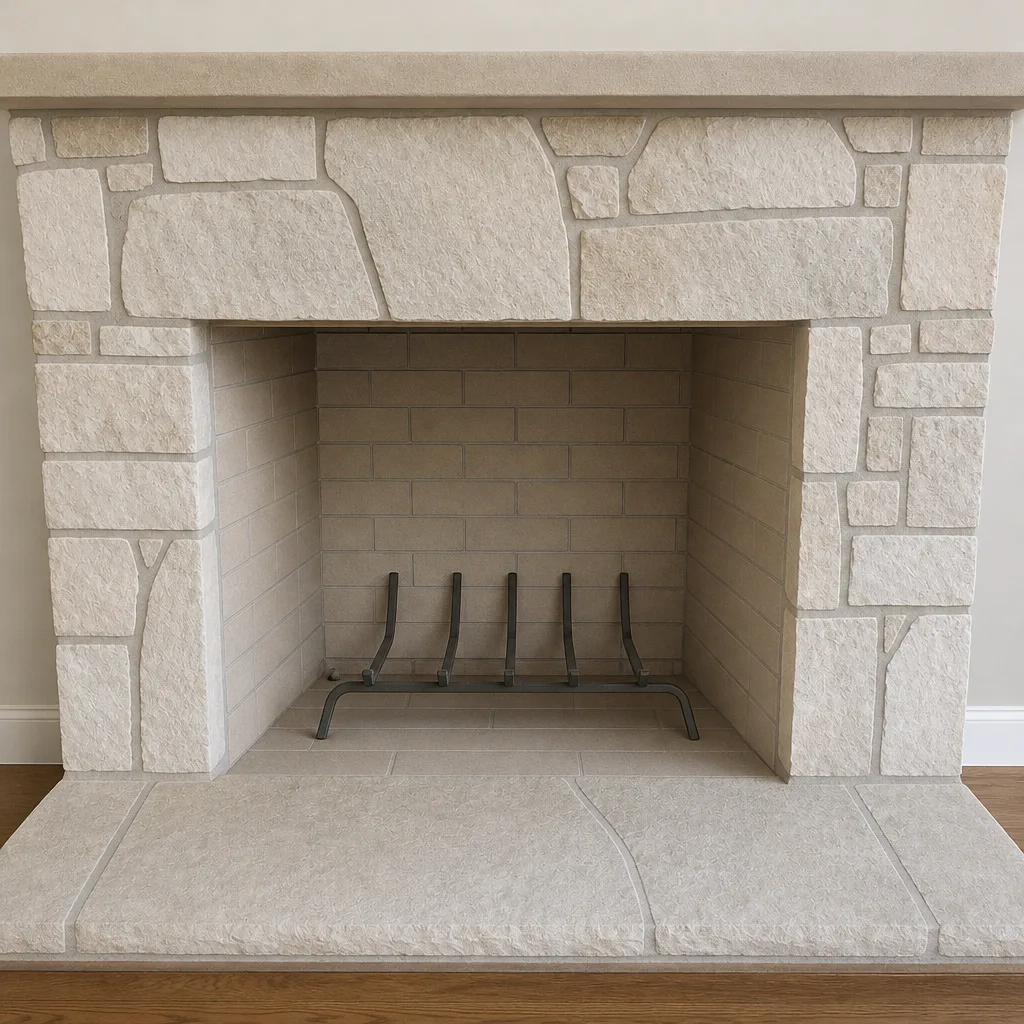
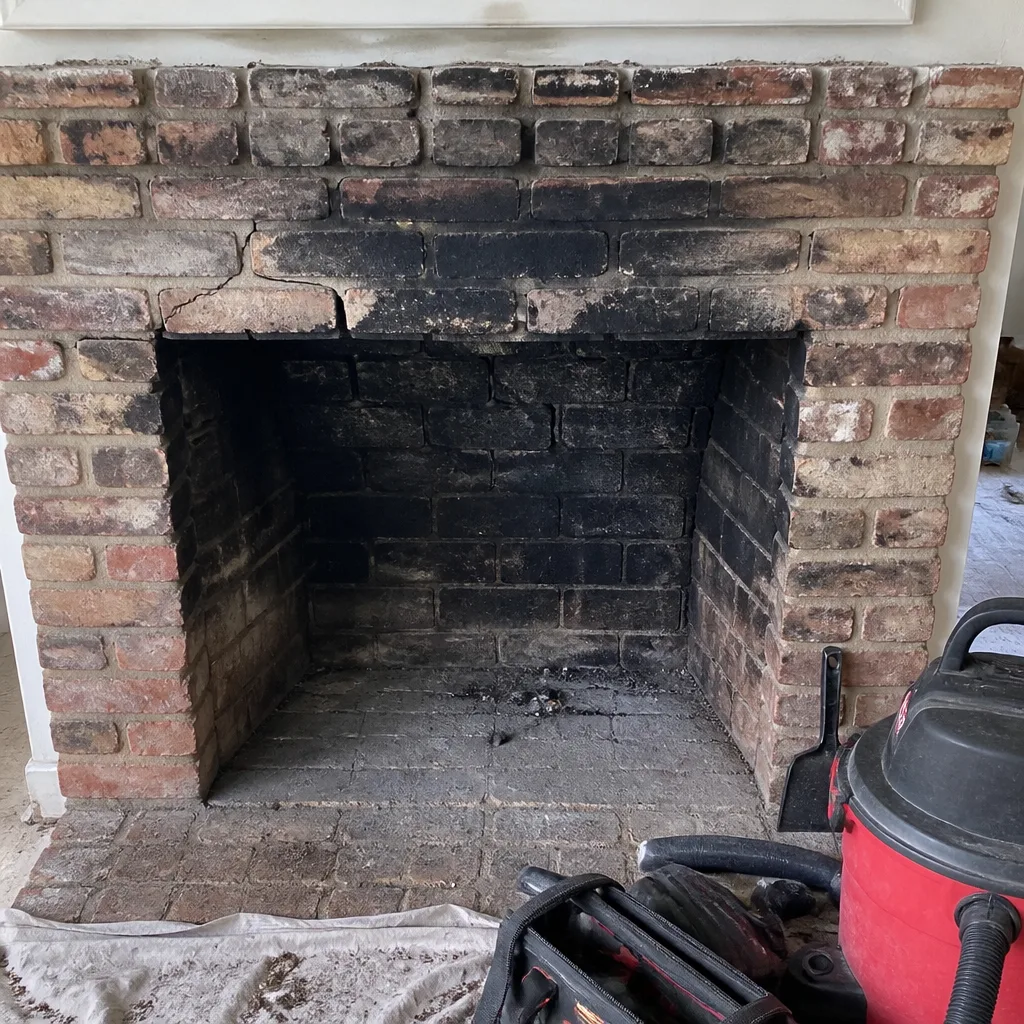
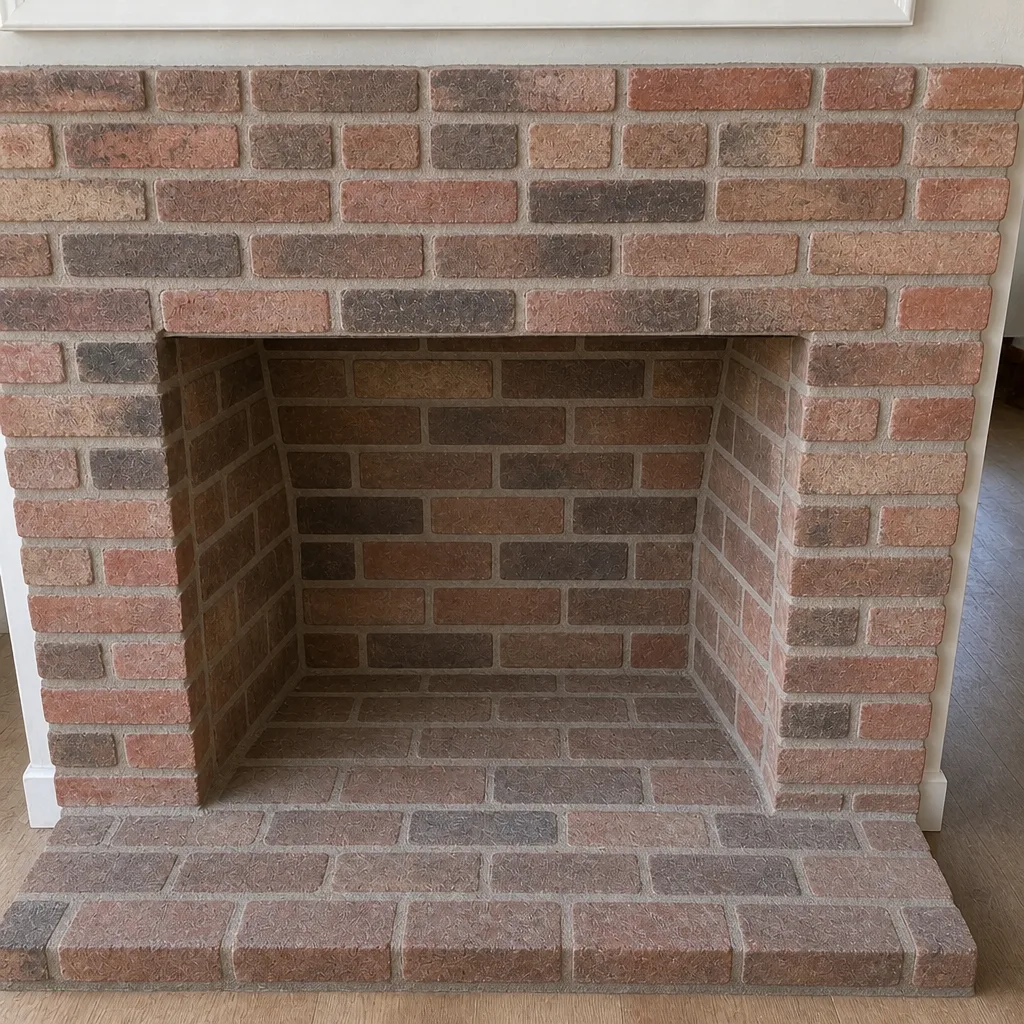
See the difference
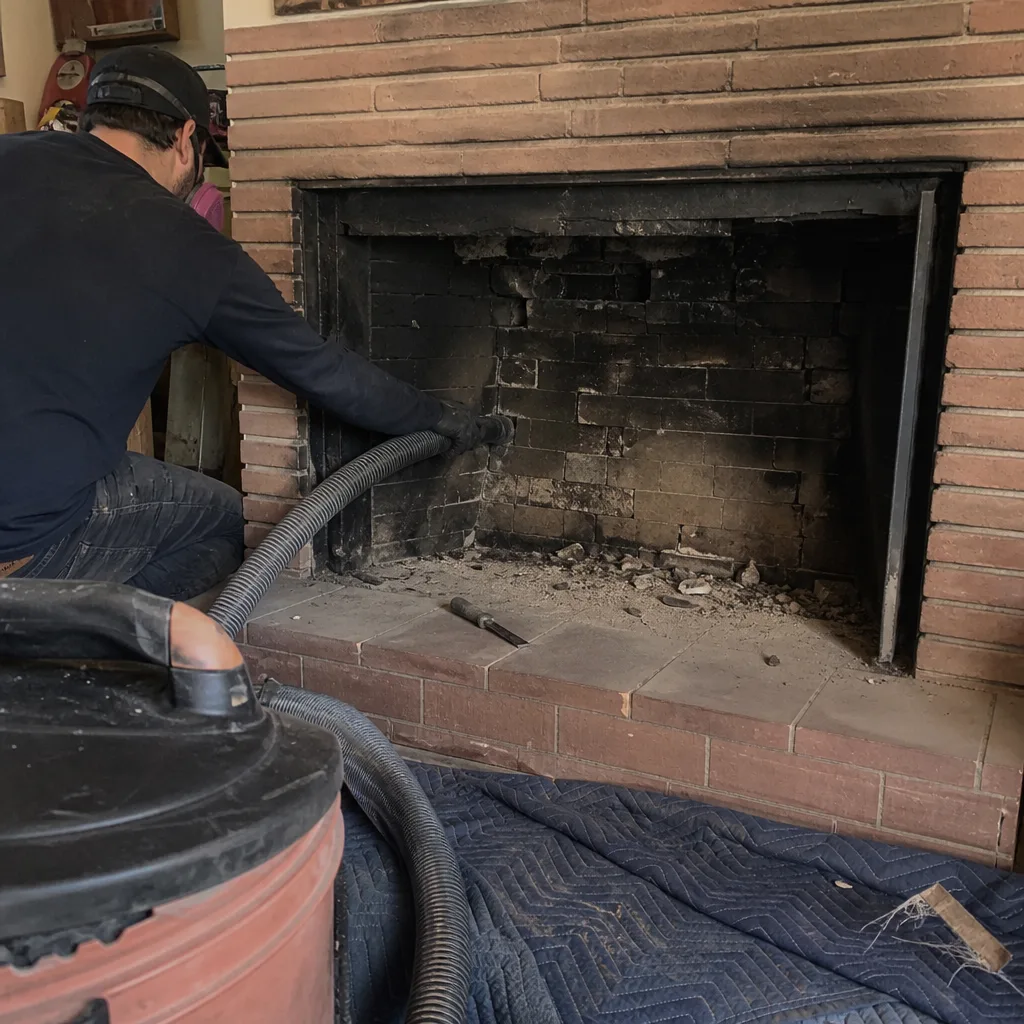 Before
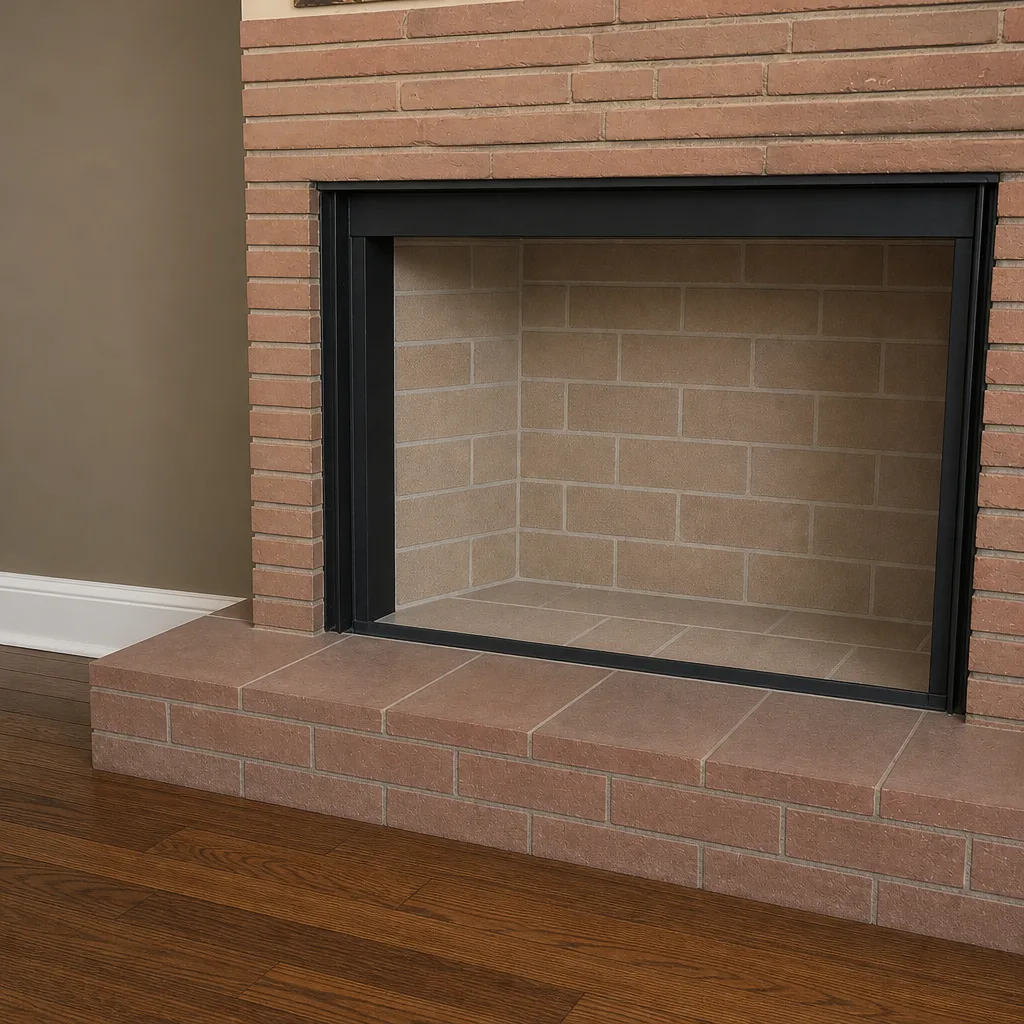 After
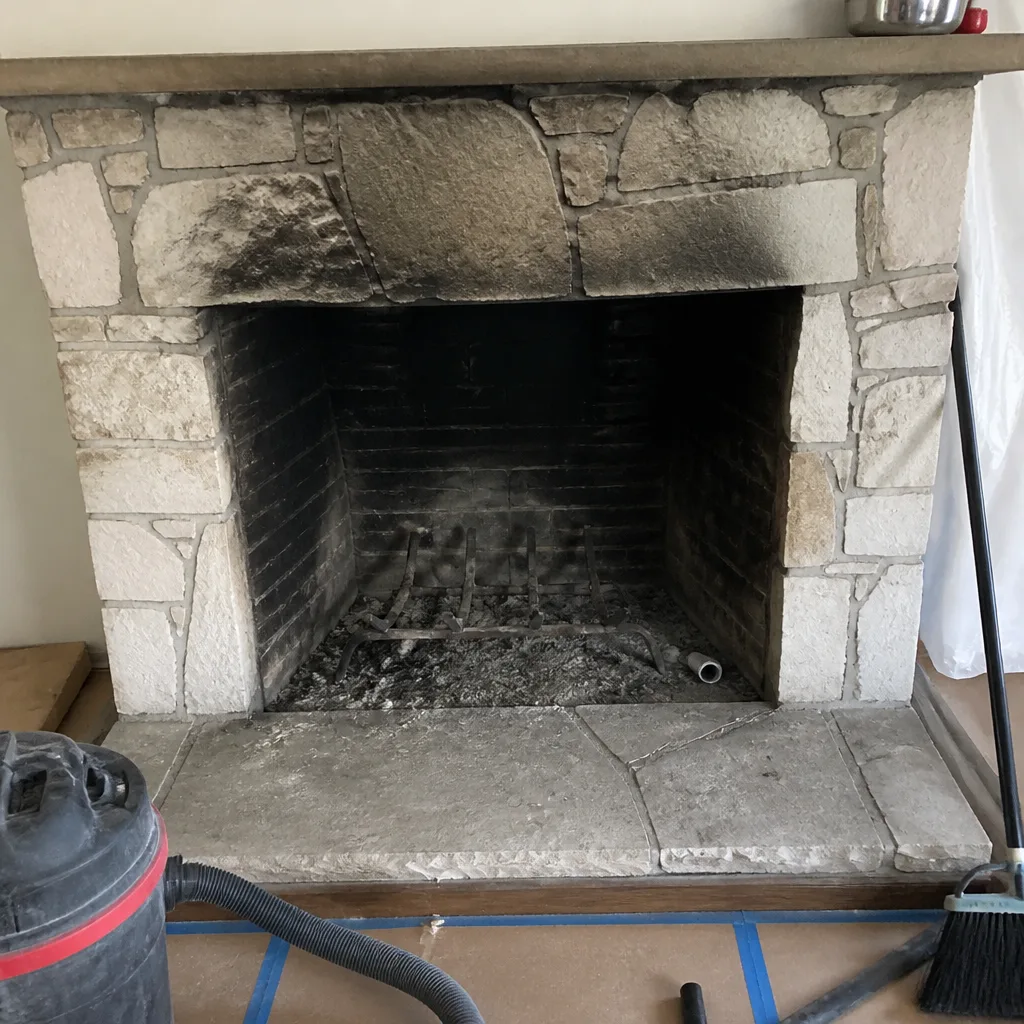 Before
 After
 Before
 After