
Last updated November 5, 2026
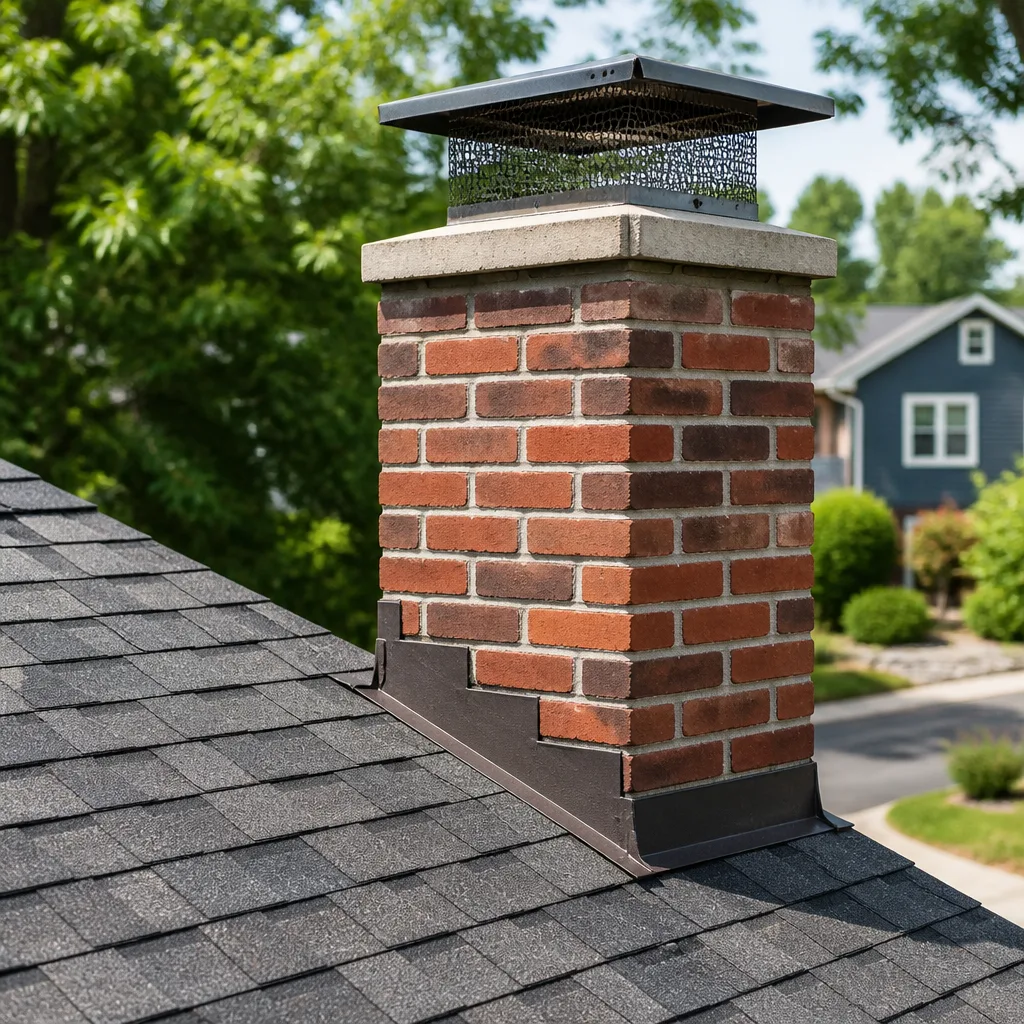 Sweep & inspection
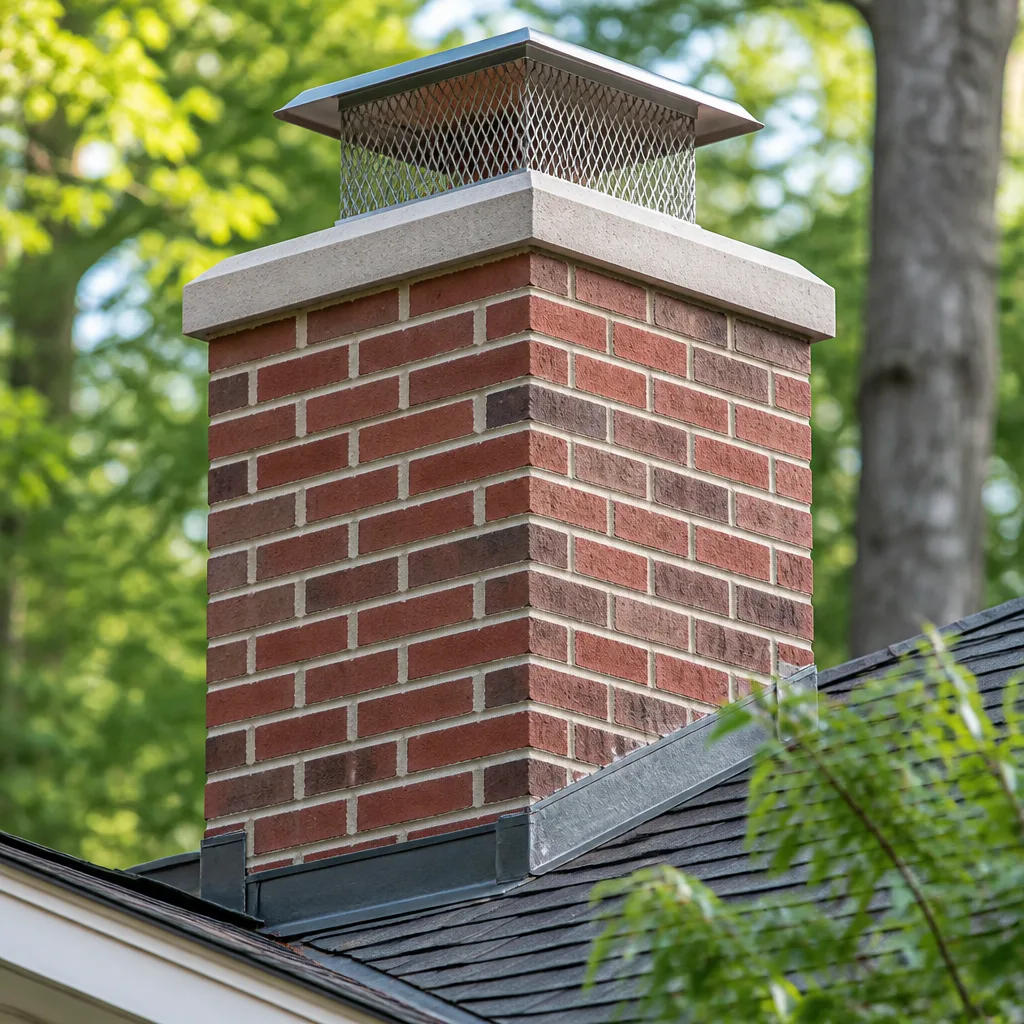 Caps & crowns
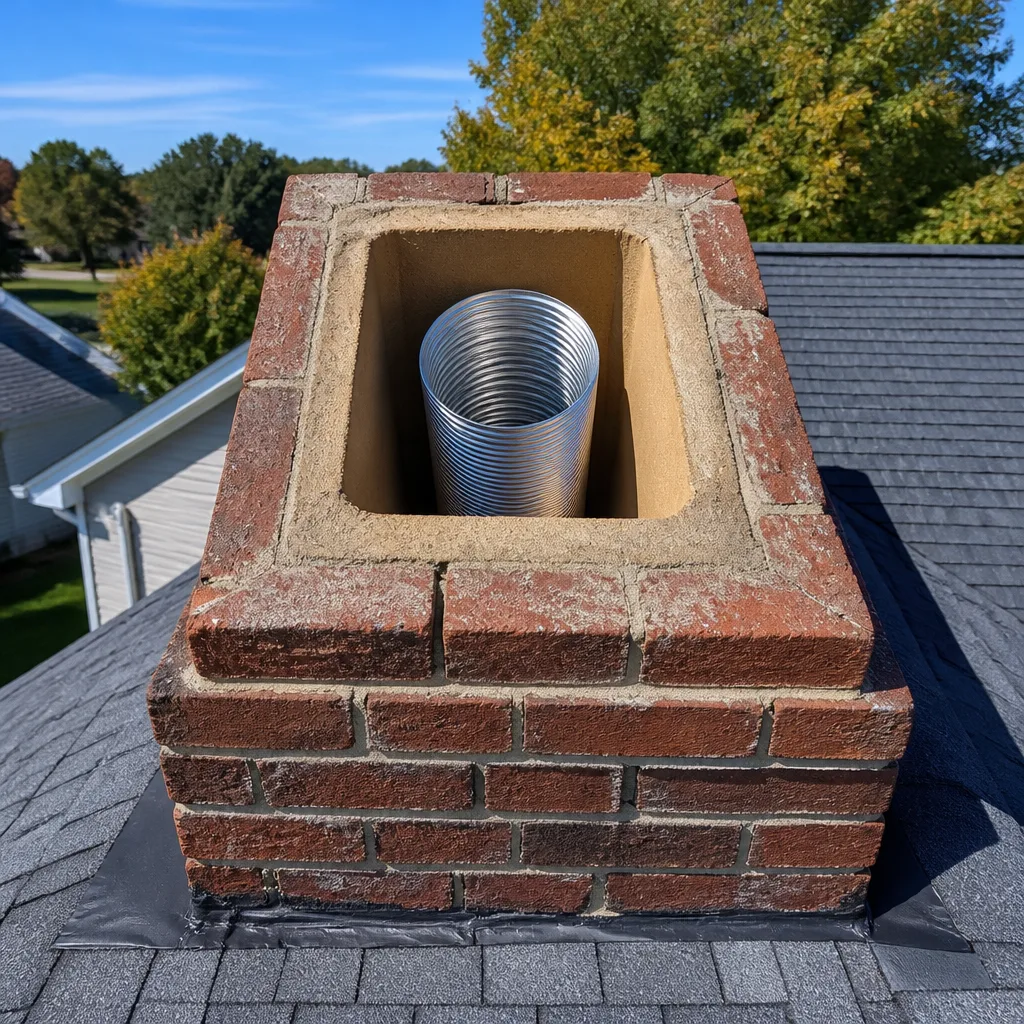 Flue relining
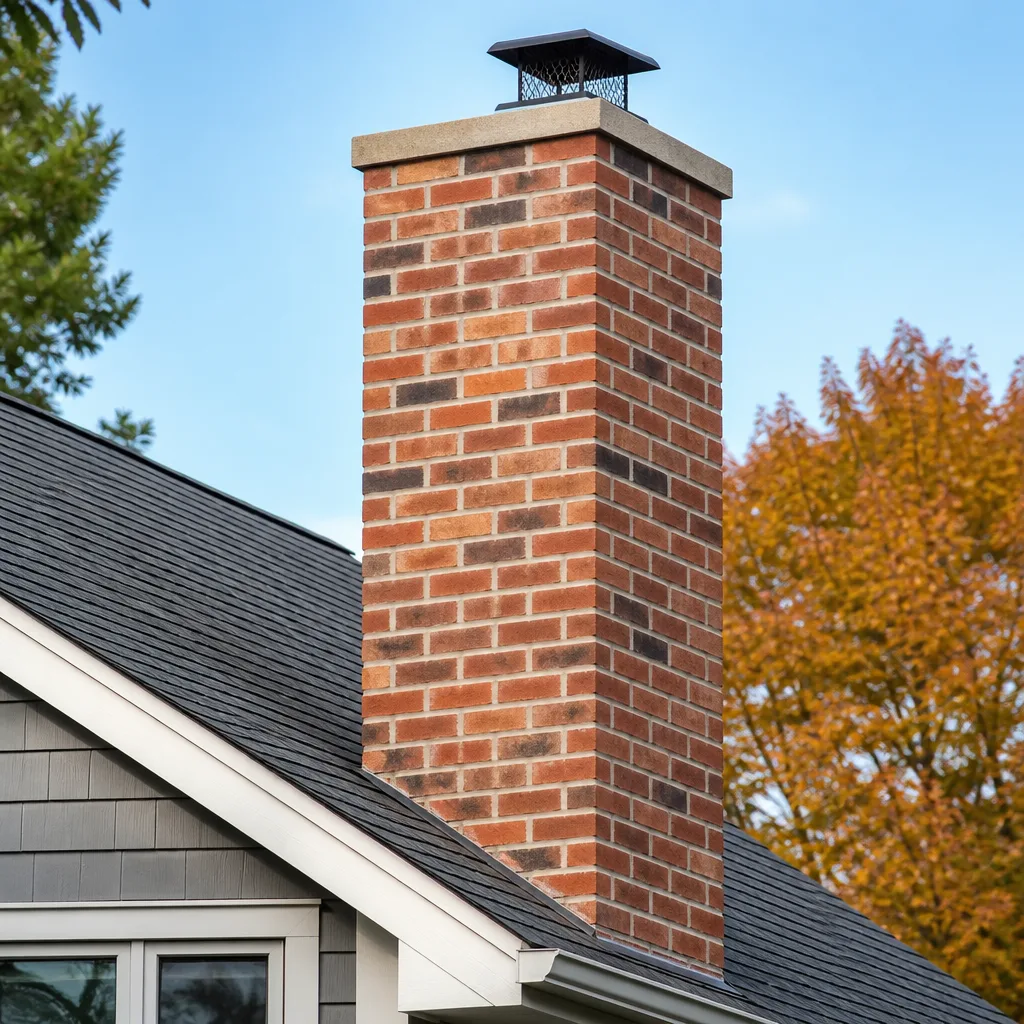 Masonry repair
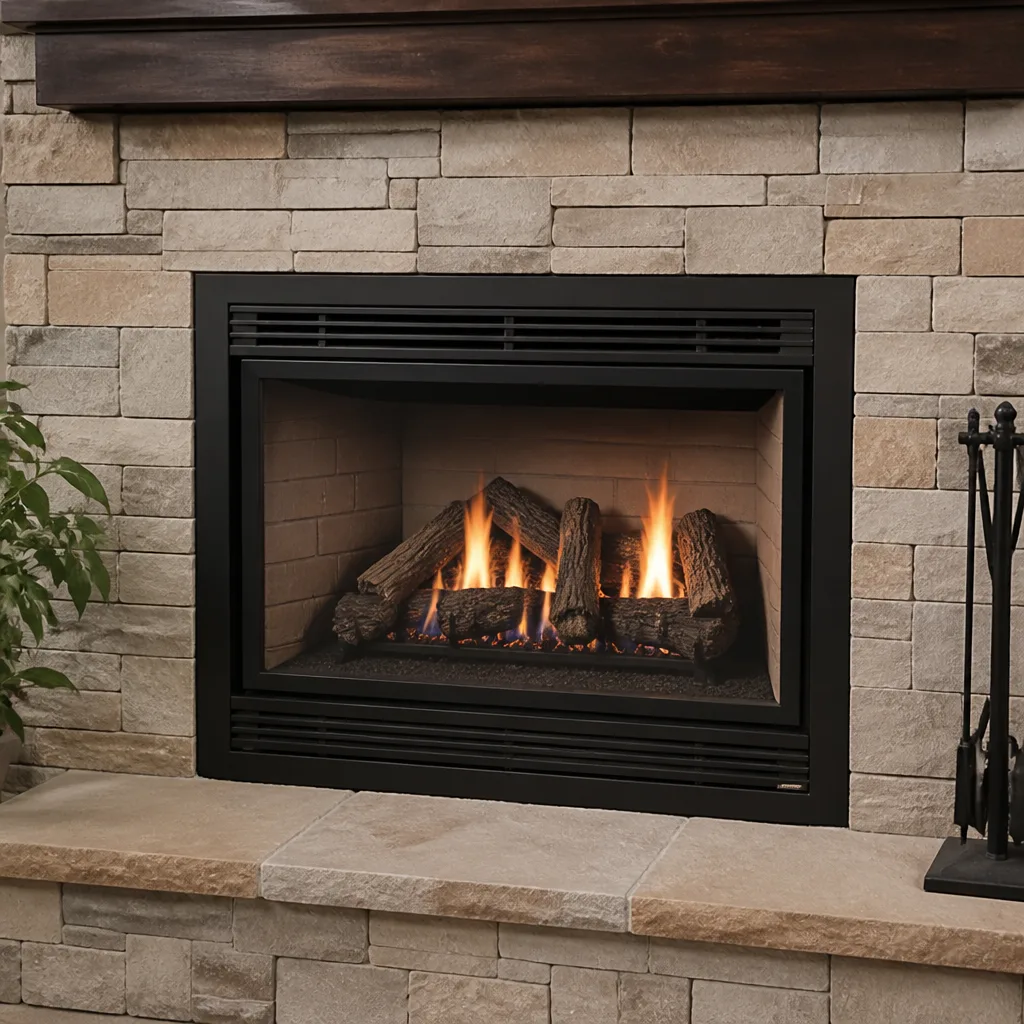 Gas fireplace service
Level 1 sweep and inspection to the NFPA 211 annual standard - flue, crown, cap, and flashing checked and photographed
Chimney sweep logs do not sweep chimneys. They loosen some creosote - which then falls where a brush and vacuum still have to collect it.
Chimney Cleaning Warning Signs: A Los Feliz Homeowner’s Reference Guide
Most chimney guides tell you to watch for smoke backing into the room or white staining on the brick. By the time you see those, the problem has already been developing for months, sometimes years. This guide is different. We’re going to walk through the subtler signals that show up early, the ones you can catch from the ground floor of your Los Feliz home before a liner fails or a smoke chamber joint opens up. You’ll learn what each sign means mechanically, which ones you can safely monitor, and which ones mean it’s time to pick up the phone.
Quick Answer
The earliest chimney warning signs in Los Feliz are usually not dramatic: a faint acrid smell in the room when the fireplace isn’t lit, small dark flakes falling into the firebox, or a damper that’s harder to move than it was last season. These indicate creosote buildup, a draft reversal, or moisture getting where it shouldn’t. The late-stage signals most people know, like smoke spilling into the living room or visible cracks in the crown, mean the system has already degraded significantly. If you notice any of the signs in this guide, a professional inspection will tell you whether you’re looking at a routine chimney sweep or a repair that should be scheduled before the next fire.
Styles & brands we work with
- Sweep & inspection
- Caps & crowns
- Flue relining
- Masonry repair
- Gas fireplace service
Table of Contents
- Early-Stage vs. Late-Stage Warning Signs
- Liner Warning Signs: What Happens Before the Smoke Rolls In
- Smoke Chamber and Damper Signs
- Crown and Exterior Masonry: Reading the Brick From the Ground
- What Different Chimney Odors Actually Mean
- Draft Problems: House Pressure vs. Flue Problems
- Earthquake Activity and Chimney Micro-Cracks in Los Feliz
Early-Stage vs. Late-Stage Warning Signs
Think of a chimney as a system that fails in stages rather than all at once. A liner doesn’t go from solid to cracked in a single season. A smoke chamber joint doesn’t open overnight. In our experience, the homeowners who catch problems early are the ones who pay attention to small changes in how the fireplace behaves, not just dramatic failures.
Early-stage signs are subtle. You might notice a faint smell in the room after a fire has been out for several hours. You might see a few dark flakes on the floor of the firebox that weren’t there before. The damper might feel slightly different when you open or close it. These signs are easy to dismiss, but they’re often the first indication that creosote is building faster than normal, condensation is forming inside the flue, or the chimney cap has shifted.
Late-stage signs are the ones every chimney guide lists, and for good reason. Smoke entering the room during a fire means the draft has reversed or the flue is partially blocked. White staining on exterior brick means water has been penetrating the masonry for months. A rusted damper is a sign of prolonged moisture exposure. By the time these appear, the repair is almost always more involved than a standard cleaning.
Here’s the part most guides skip: the early indicators differ by component. A liner in distress sends different signals than a failing crown or a shifting smoke chamber. That’s why we’ve organized this guide by system component rather than by symptom. Understanding which part is talking to you changes what you should do next.
Liner Warning Signs: What Happens Before the Smoke Rolls In
The flue liner is the vertical passage that carries combustion gases from the firebox to the outside. In older Los Feliz homes, it’s often made of clay tile. In newer installations, it may be stainless steel or a poured-in-place material. Every liner has a job: contain heat, contain gases, and provide a smooth surface for draft. When a liner starts to fail, it telegraphs the problem before a full breach occurs.
What to watch for:
- Fine dark dust on the damper or smoke shelf. This can mean the liner’s inner surface is flaking. In a clay tile system, that’s the first sign of spalling, where heat and moisture cause the tile to shed thin layers.
- A metallic or chemical smell with no fire lit. Gases that should be venting upward are finding a path back into the room through a compromised liner joint.
- Flames that lean or flicker unpredictably. A liner with an internal crack changes the draft pattern. The fire behaves differently because the flue is no longer pulling consistently.
- Pieces of tile in the firebox. This is the clearest late-stage liner signal. If you see clay shards, the liner is actively breaking apart.
The mechanical cause is usually heat stress or water damage. Both are common in Los Feliz, where chimneys go through hot, dry summers and mild but damp winters. The liner expands and contracts with each fire, and over time that thermal cycling weakens the material. When a liner fails, the fix is rarely a patch. Options include a stainless steel reline or a resurfacing treatment. We stock DuraFlex liner systems and HeatShield resurfacing materials specifically so a diagnosed liner problem can often be addressed in the same visit, not weeks later.
Smoke Chamber and Damper Signs
The smoke chamber sits between the firebox and the flue. Its job is to funnel combustion gases smoothly into the narrower liner. In many older Los Feliz chimneys, the smoke chamber was built with corbeled brick, meaning each course steps inward slightly. Those stepped surfaces create turbulence, and the mortar joints between them are a common failure point.
Signs of a smoke chamber problem:
- Soot stains appearing on the walls above the fireplace opening. This isn’t just cosmetic. It means gases are escaping the chamber and working their way through the masonry.
- A persistent smoky smell even after a cleaning. Soot embedded in chamber walls keeps off-gassing.
- Debris collecting on the smoke shelf faster than normal. A failing chamber can shed mortar and brick fragments.
The damper is the mechanical piece that opens and closes the flue. A damper that’s stiff, won’t seat fully, or shows rust is telling you about moisture in the system. In Los Feliz, a damper left slightly open during the rainy months can allow enough water in to cause rust, and a rusted damper can eventually seize. If you’re fighting the damper, stop forcing it. The metal is telling you something.
Crown and Exterior Masonry: Reading the Brick From the Ground
You don’t need to climb on the roof to assess a chimney. A careful look from the ground or from an upstairs window can reveal quite a bit. The crown is the cement slab that caps the chimney, and its job is to shed water away from the flue and the masonry. When a crown cracks, water gets into the chimney system every time it rains, and Los Feliz gets enough winter rain to make that a real problem.
From the ground, look for:
- White staining (efflorescence) on the brick. Water has been moving through the masonry and carrying salts to the surface. It’s not just ugly, it’s evidence of moisture inside the structure.
- Spalling, or flaking brick faces. Water inside the brick expands and contracts with temperature changes, causing the surface to pop off.
- Mortar joints that look recessed or crumbling. This is joint failure. In older masonry, the mortar was often weaker than the brick, and it degrades first.
- Dark streaks running down from the chimney top. Those are water paths. They show you exactly where rain is entering.
If you can see the crown from an upstairs window, check for visible cracks. A hairline crack may not look urgent, but in a mild-winter climate like ours, water sits in those cracks and works its way in with every rain cycle. Crown repair is one of the least expensive chimney fixes, but a neglected crown leads to liner damage and expensive masonry rebuilds.
What Different Chimney Odors Actually Mean
Odor is one of the most useful diagnostic tools a homeowner has, because different smells point to different problems. This section gets specific about what you’re smelling and what’s causing it.
Creosote odor: A smoky, acrid, almost barbecue-like smell, often worse on humid days or when the house is closed up. This is normal to some degree in a wood-burning chimney, but a strong persistent smell means buildup has reached a level where it’s affecting indoor air quality. Creosote is quantifiable during an inspection, and the amount present determines whether a sweep is routine or overdue.
Mildew or damp smell: Moisture is entering the chimney somewhere. The source is usually a cracked crown, a missing or damaged cap, or flashing that’s pulling away from the roofline. A damp smell in the fireplace area means water is pooling somewhere it shouldn’t be, and that water accelerates masonry deterioration.
Organic decay smell: Strong, unpleasant, often intermittent. Birds, squirrels, and raccoons commonly enter uncapped or poorly capped chimneys. The smell of nesting material or decay is a sign that an animal found its way in, and it often comes with a smaller companion problem: the nest itself can create a fire hazard in the flue. Los Feliz’s mature trees mean plenty of wildlife activity, and uncapped chimneys are common in older hillside homes.
Gas or sulfur smell: For a gas fireplace, a smell like rotten eggs means the combustion system isn’t venting properly. This is a situation where you should stop using the fireplace and call a professional. For a wood-burning chimney, a gas-like smell with no gas appliance connected can mean the draft is pulling sewer gas or other household gases backward through the house, which points to negative pressure issues covered in the next section.
Draft Problems: House Pressure vs. Flue Problems
Here’s a distinction that saves Los Feliz homeowners a lot of unnecessary work: not every draft problem is a chimney problem. A fireplace that won’t draw can be caused by two completely different things, and treating the wrong one doesn’t fix anything.
Flue obstructions and structural defects are the classic causes. A partial blockage from creosote, debris, or an animal nest restricts airflow. A compromised liner or smoke chamber joint disrupts the draft. These issues are inside the chimney, and a sweep or repair addresses them directly.
Negative house pressure is the other cause, and it’s becoming more common as Los Feliz homes get sealed up for energy efficiency. Here’s how it works: a chimney operates because the warm air inside the flue rises, pulling replacement air from the house. If the house has insufficient makeup air, something has to give. Exhaust fans, HVAC systems, and well-sealed windows all compete with the chimney for air. When the house is tight enough, the chimney loses, and air flows down the flue instead of up it. That reversed draft pulls combustion gases into the room.
How to tell the difference:
- Does the smell or backdraft improve when you open a window? If yes, you’re probably dealing with negative house pressure. Opening a window gives the house makeup air, and the draft corrects itself.
- Does the problem persist regardless of windows, weather, or how long the fire burns? That points to a flue obstruction or structural issue inside the chimney.
- Is the problem seasonal? Negative pressure problems often get worse when the house is closed up tight in winter. Flue problems don’t care what the windows are doing.
If you suspect negative pressure, a professional can confirm it and discuss solutions, which range from a makeup air vent to adjustments in how you use exhaust fans while the fire burns. If the flue itself is the issue, a sweep and camera inspection will show exactly what’s blocking the path.
Earthquake Activity and Chimney Micro-Cracks in Los Feliz
Los Feliz sits in earthquake country, and chimneys are particularly vulnerable to seismic movement. A chimney is essentially a tall, rigid masonry tower attached to a house that’s designed to flex. When the ground moves, the chimney experiences stress differently than the rest of the structure.
What we see after seismic events, even minor ones that don’t make the news, is micro-cracking. These are small fractures in the mortar joints, the crown, or the liner that aren’t visible from the outside. They’re structural changes that happen inside the masonry. The first sign is often water staining on an interior wall near the chimney or small debris appearing in the firebox or on the smoke shelf.
This matters for a few reasons. A micro-crack in the liner means flue gases have an additional escape path. A shifted crown means water entry points that didn’t exist before. And because these changes happen incrementally, a homeowner who hasn’t noticed anything unusual may still have damage from an earthquake that happened months ago.
The practical takeaway: if you’ve felt shaking in the Los Feliz area, even if it seemed minor, it’s worth taking a look at your chimney for new debris in the firebox, new water stains around the fireplace, or changes in how the damper operates. A camera inspection can document what’s happening inside the flue and give you a baseline to compare against next time.
Common Mistakes to Avoid
- Assuming a smoky smell is normal for a wood-burning fireplace. Some creosote odor after a fire is expected, but a persistent smell when the fireplace is cold means gases are entering the living space. That’s not normal, and it’s not something to mask with candles.
- Ignoring debris in the firebox because “it’s just soot.” Flakes of tile, bits of mortar, and unusual amounts of dark material are diagnostic. They tell you which part of the system is wearing.
- Leaving the damper open year-round to “air things out.” In Los Feliz, an open damper lets moisture in during the rainy months and lets conditioned air out during the hot months. It creates problems it doesn’t solve.
- Fighting a stiff damper. If the damper won’t move easily, something is wrong. Pushing harder can bend the metal or break the handle. The fix is an inspection, not force.
- Painting over efflorescence or water stains. Covering the evidence doesn’t stop the water. The moisture source is still active, and the damage is continuing behind the paint.
- Treating every draft problem as a chimney blockage. In tight Los Feliz homes, negative house pressure is often the real culprit. Before you assume the flue is blocked, test what happens when you open a window.
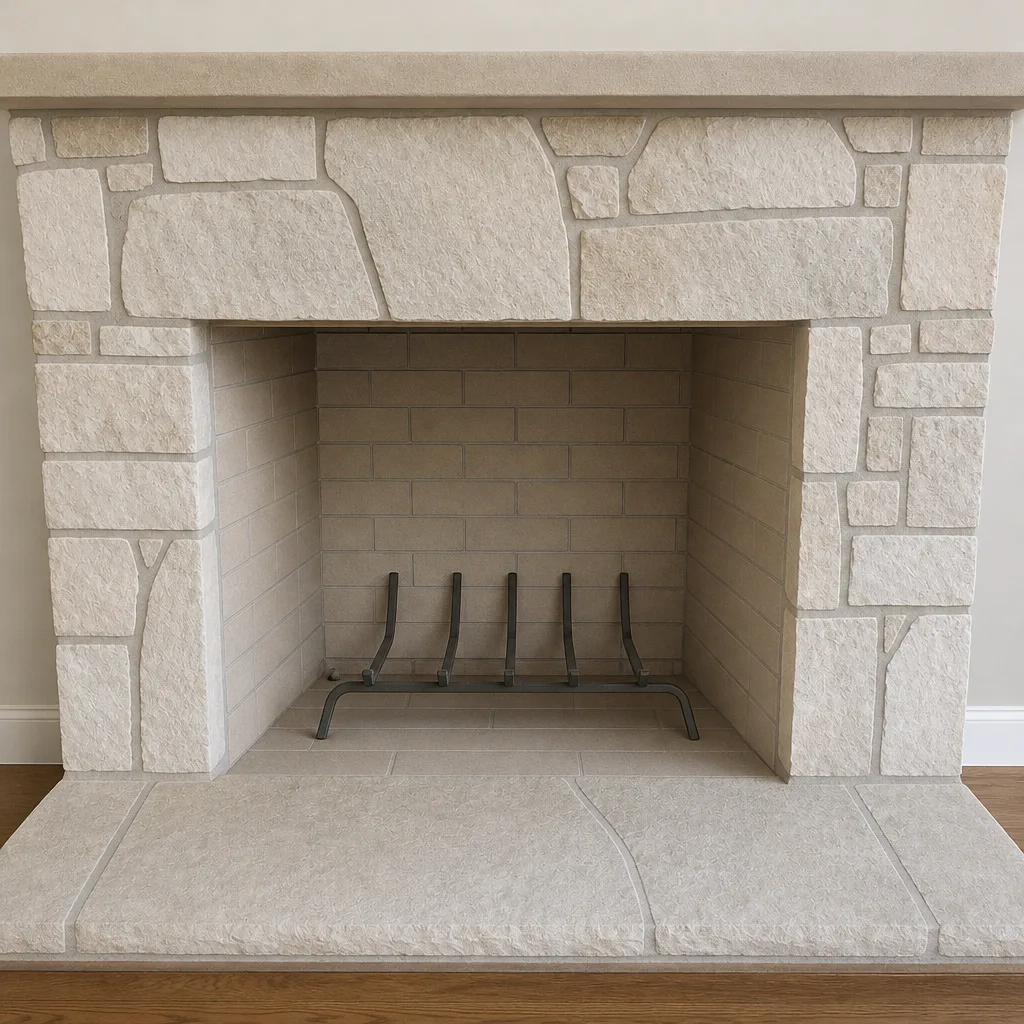
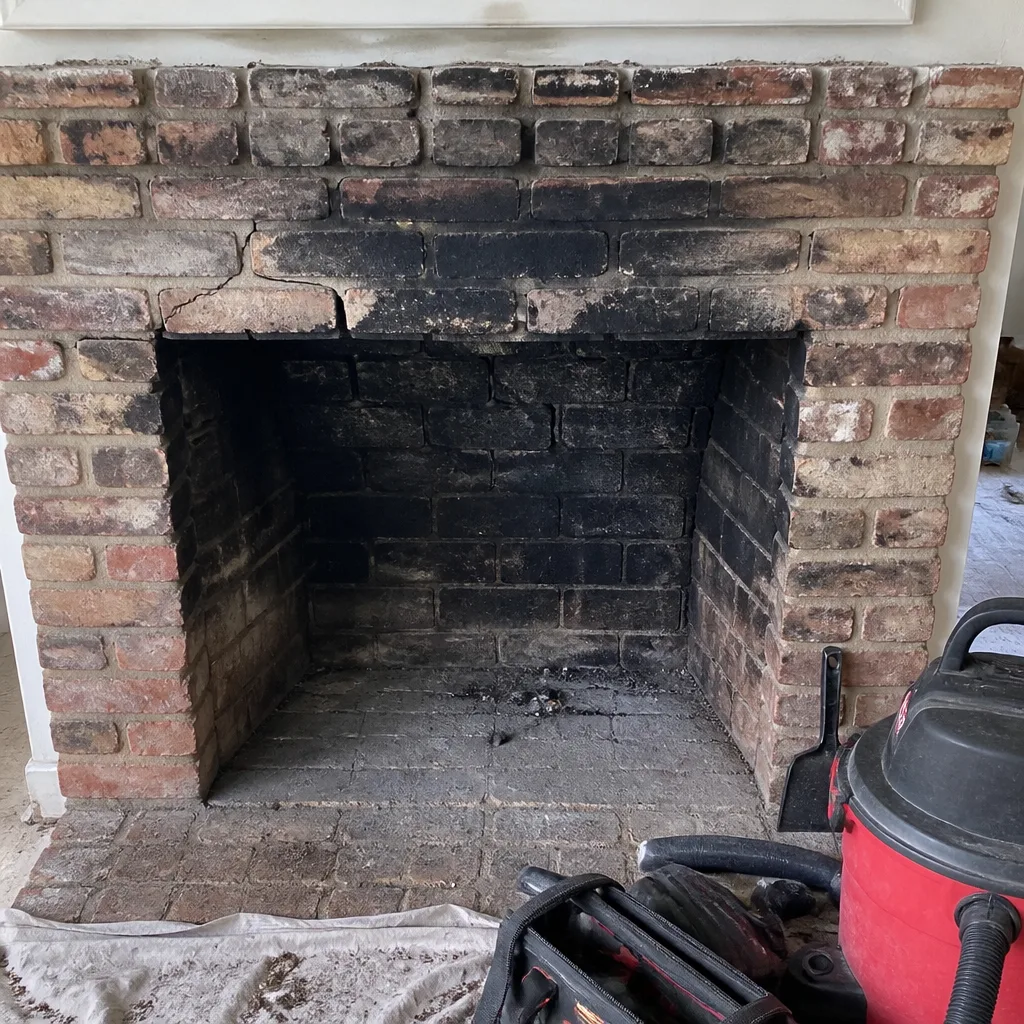
See the difference
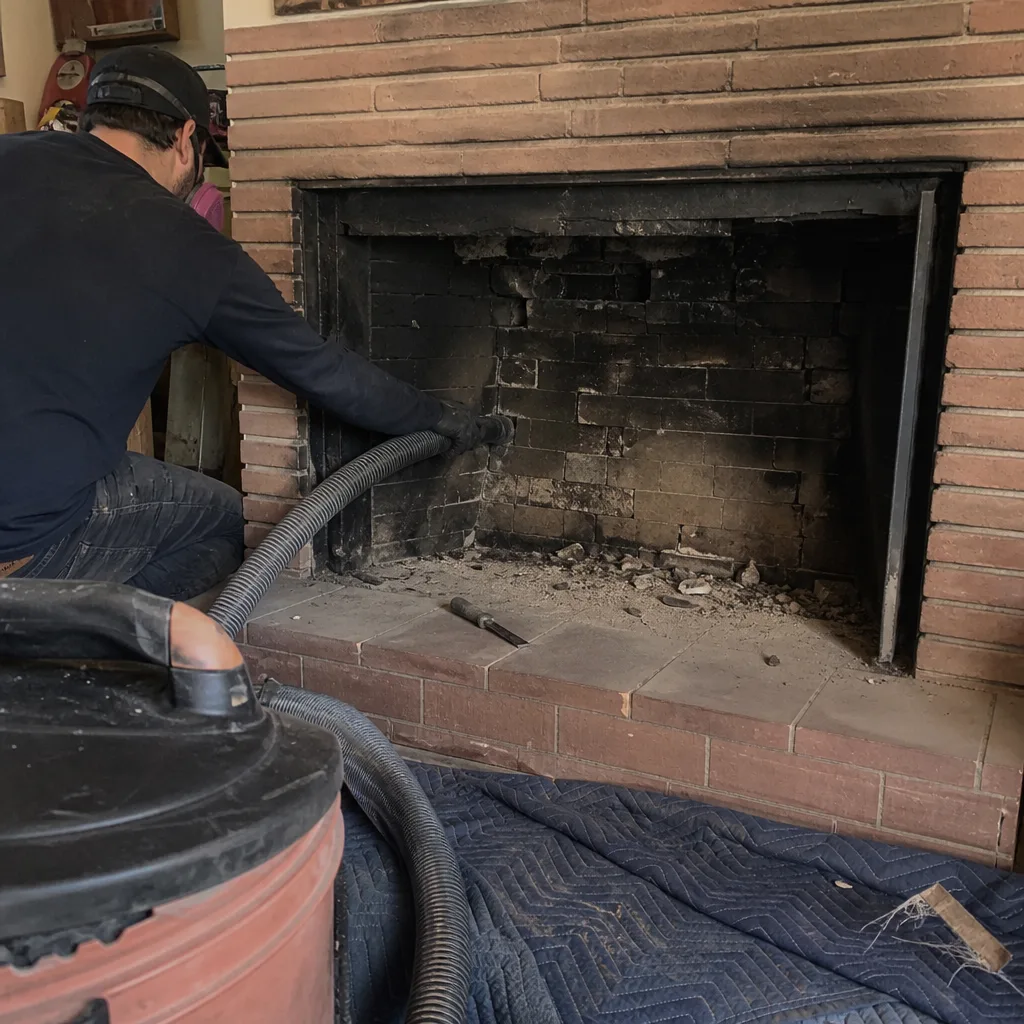 Before
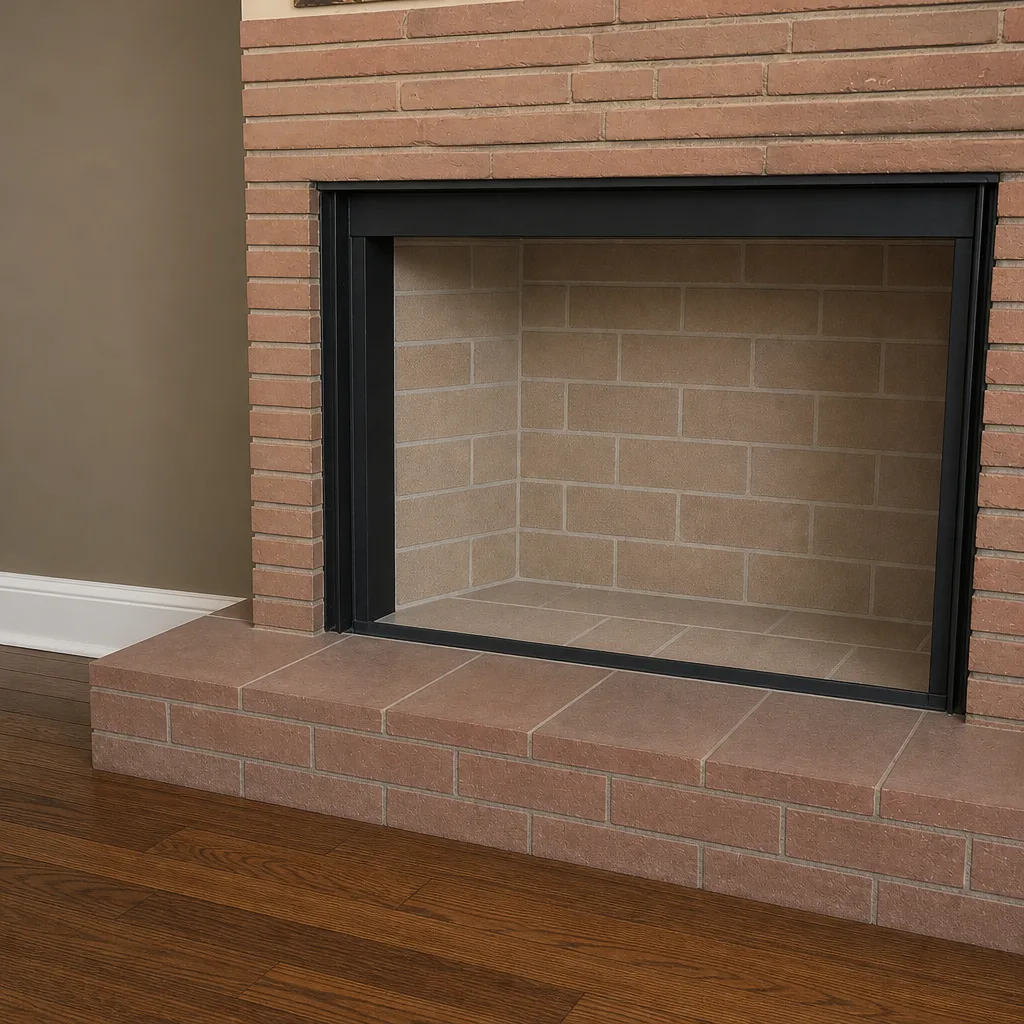 After
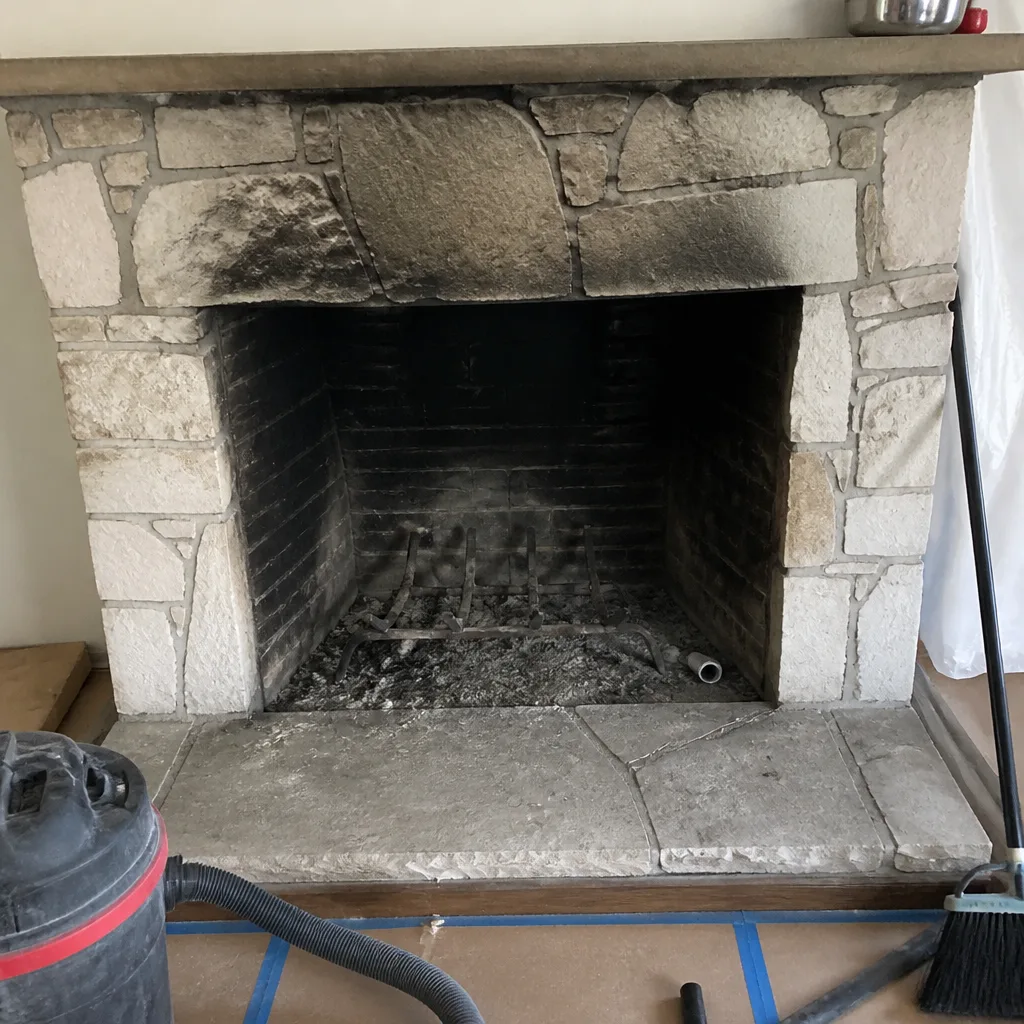 Before
 After
 Before
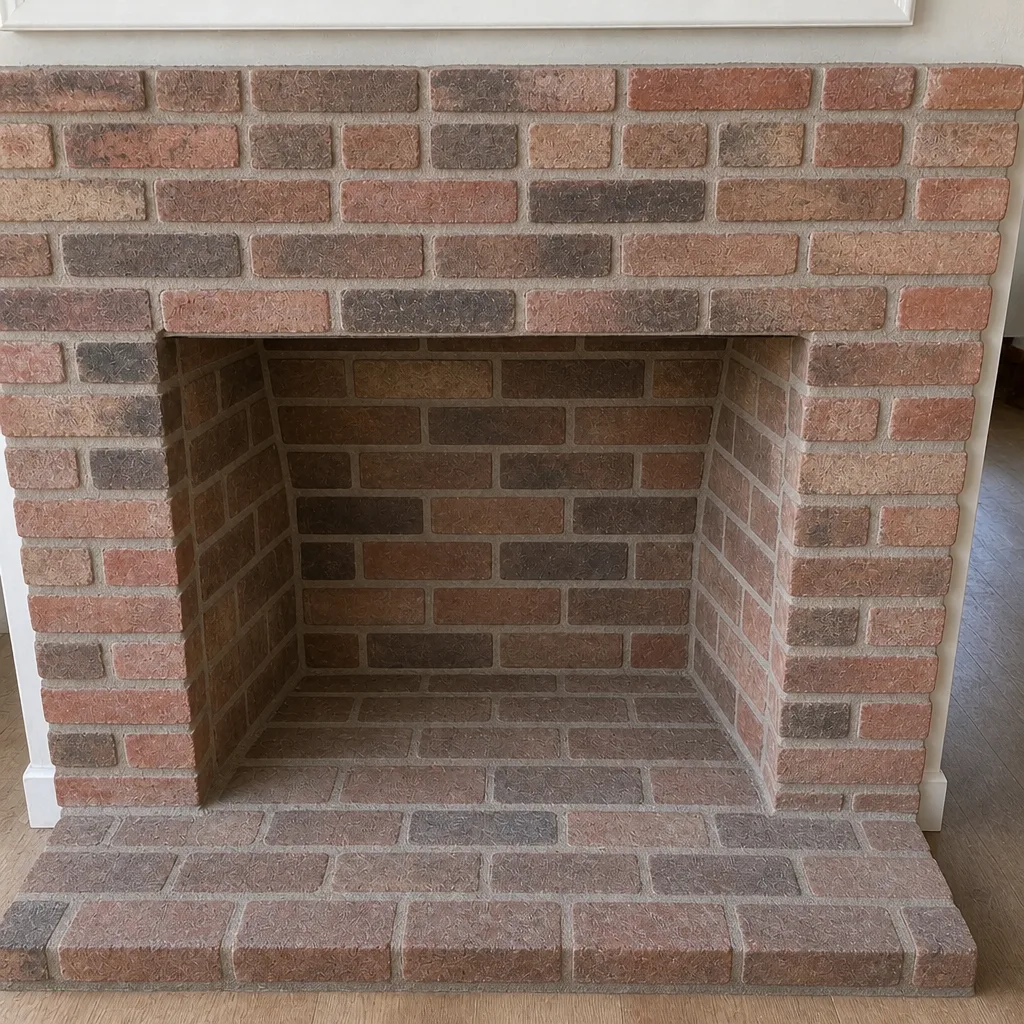 After
When to Call a Professional
Call if you notice debris that isn’t soot in the firebox. Call if you smell smoke with no fire lit. Call if the damper won’t operate smoothly or if you see water staining on the chimney, the firebox, or the walls around the fireplace. Call if a recent earthquake, even a small one, may have moved something. These are the moments when a professional inspection catches a problem at the repair stage rather than the replacement stage.
A reputable company will show you what they find. We don’t recommend work without camera evidence you can see for yourself, and we’re straightforward when something can safely wait. Chimney Sweep Los Feliz offers free estimates in Los Feliz. Call (833) 467-6692. We answer 24/7. Fast dispatch from 7am to 7pm, Sunday through Friday.
Frequently Asked Questions
The earliest signs are a persistent acrid smell when the fireplace is cold, dark flakes accumulating in the firebox, and a damper that’s stiffer than it was. These indicate creosote buildup, moisture intrusion, or both, and a Chimney Sweep Los Feliz can confirm what’s happening before it becomes a larger repair. Call (833) 467-6692 for an exact assessment.
A wood-burning chimney used regularly should typically be swept once per year, and more often if the fires are frequent or the wood is less than fully seasoned. Gas fireplaces need less frequent cleaning but still require periodic inspection. If you notice signs of buildup between scheduled sweeps, don’t wait for the calendar.
A smoke smell with no active fire means combustion gases are backdrafting into the room through a compromised liner or smoke chamber joint. It can also mean negative house pressure is pulling air down the flue. Both situations deserve a professional look because the gases can include carbon monoxide.
You should never be asked to pay for liner work without seeing proof. A camera inspection shows the condition of the liner directly, and a legitimate contractor will walk you through what the footage shows and why a repair or replacement is needed. In some cases, a liner can be resurfaced with HeatShield rather than fully replaced. In others, a DuraFlex stainless steel reline is the right call. You’re entitled to see the evidence and understand the options.
Creosote continues to accumulate and harden. The flue narrows, the draft weakens, and the fire burns less efficiently. The creosote itself is combustible, which means the fire risk inside the flue goes up. If moisture is also present, the water accelerates both masonry damage and liner deterioration. None of these problems improve on their own.
Many Los Feliz homeowners combine chimney and dryer vent cleaning in one visit because both systems carry the same type of risk: flammable material accumulating in a vent. Lint in a dryer vent and creosote in a chimney are both fire hazards, and a single scheduled visit handles both.
The Bottom Line
The best time to catch a chimney problem is before you see smoke in the living room and before water stains appear on the brick. Subtle signals, a smell that lingers, debris that shouldn’t be there, a damper that isn’t behaving, tell you what’s happening inside the system months before a failure becomes obvious. Pay attention to those signals and have them checked. If you’re in Los Feliz and something seems off with your fireplace, a professional inspection with a camera will give you the answer, not a guess. Call (833) 467-6692. We answer 24/7. Fast dispatch from 7am to 7pm, Sunday through Friday.
Written by the team at Chimney Sweep Los Feliz, serving Los Feliz since 2011.