
Last updated November 5, 2026
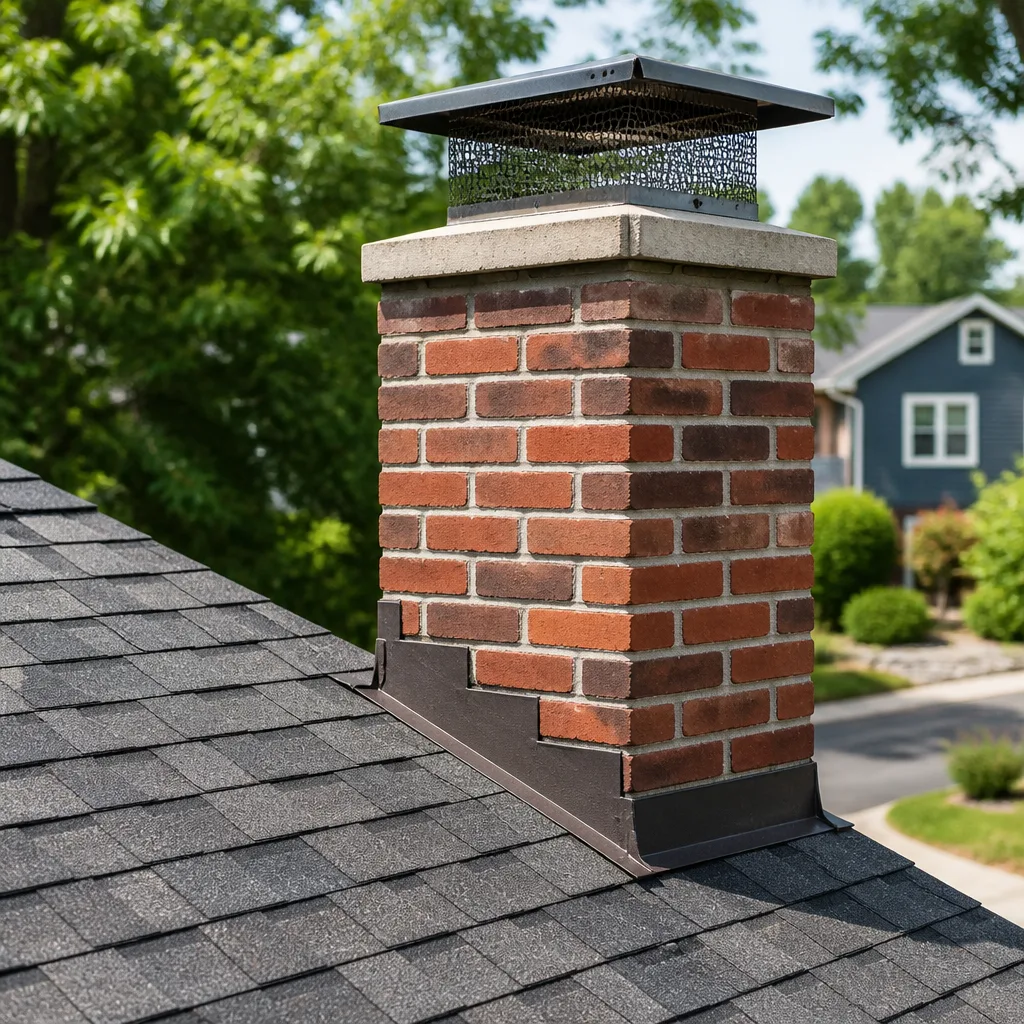 Sweep & inspection
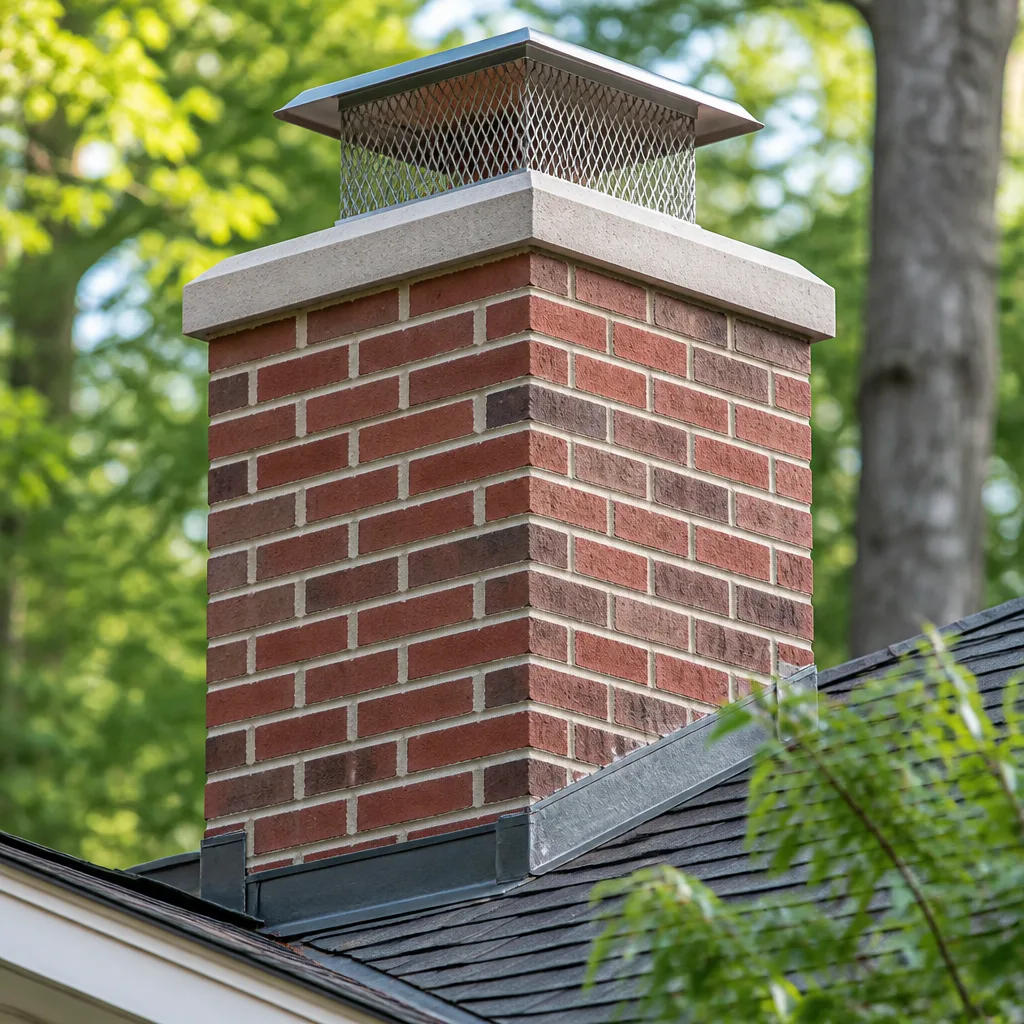 Caps & crowns
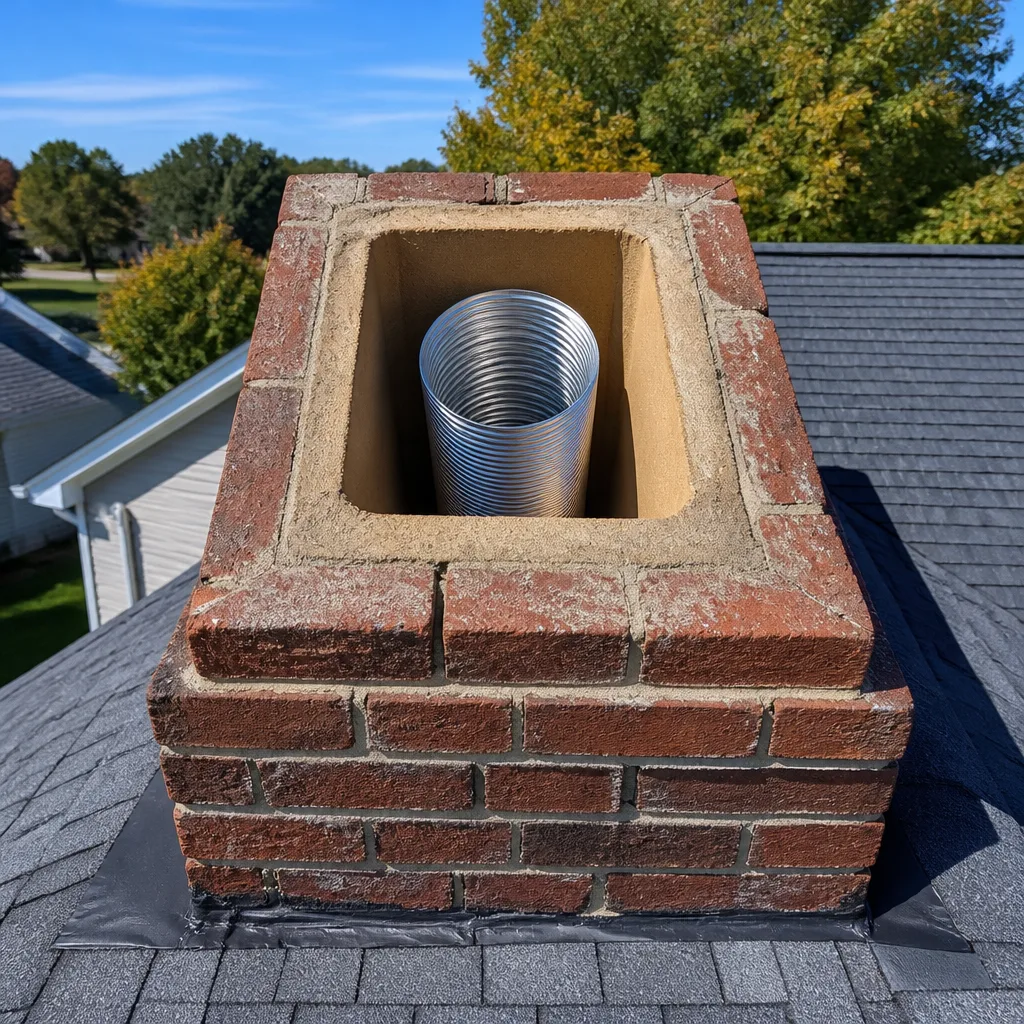 Flue relining
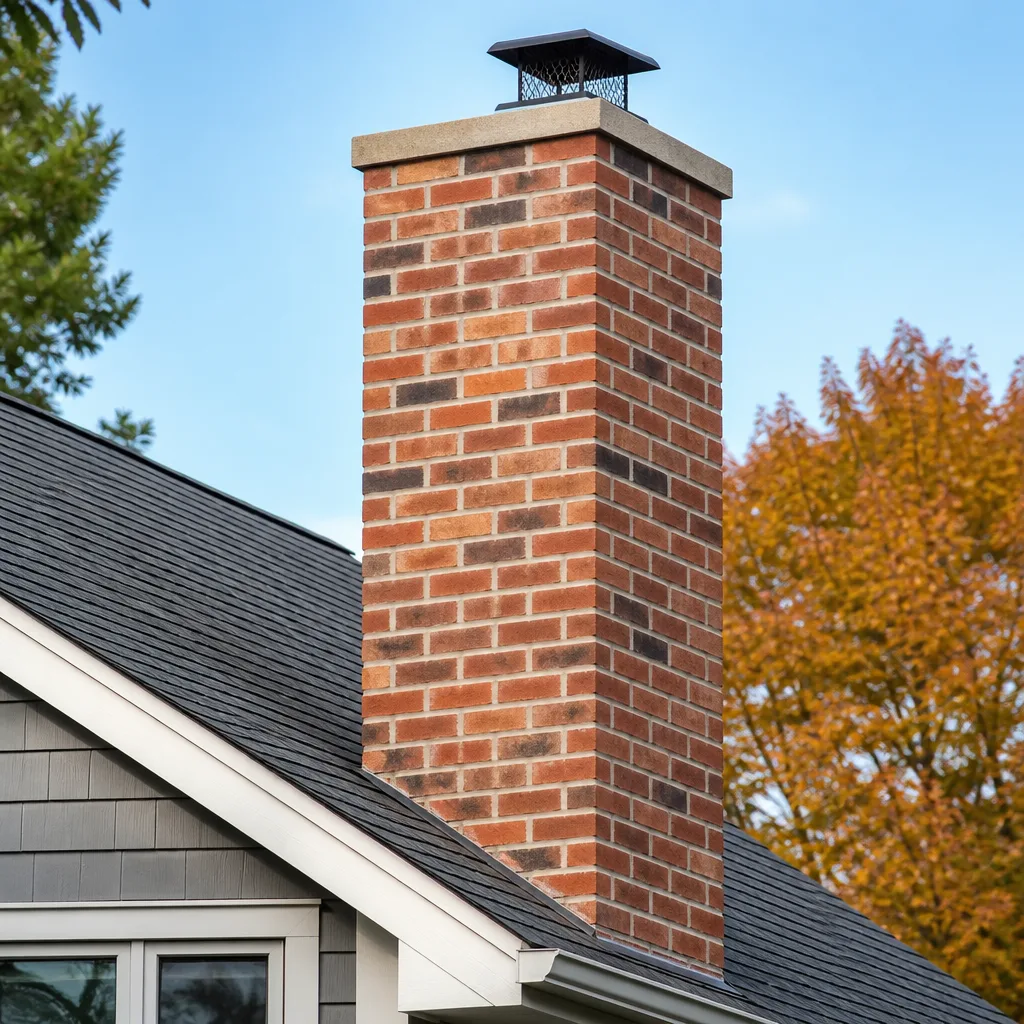 Masonry repair
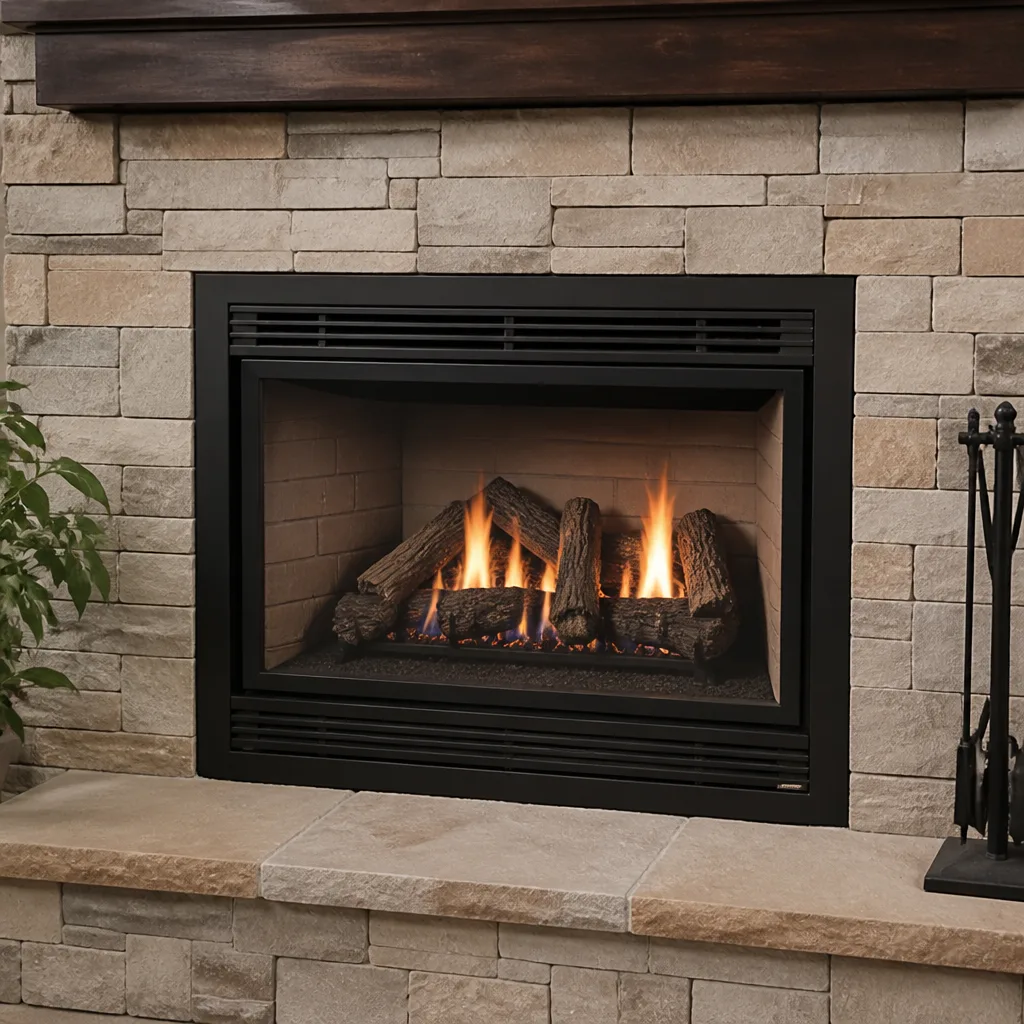 Gas fireplace service
Level 1 sweep and inspection to the NFPA 211 annual standard - flue, crown, cap, and flashing checked and photographed
Chimney sweep logs do not sweep chimneys. They loosen some creosote - which then falls where a brush and vacuum still have to collect it.
Chimney Sweep Troubleshooting in Los Feliz: Common Problems and How to Fix Them
A smoky living room isn’t a chimney problem. It’s a symptom. The actual cause could be any of six different failure points in your fireplace system, and guessing wrong means the fix will not hold. Most Los Feliz homeowners we talk to have been told their fireplace “drafts poorly” or “needs a good cleaning,” but no one ever showed them how to read the signs that point to the real issue. This guide walks you through the common failures, what they look like, and what actually needs to happen next. Whether you are troubleshooting an odor, a smoky fire, or a chimney that just will not draw, you will know what to look for before anyone picks up a brush.
Quick Answer
Most chimney problems in Los Feliz homes come down to one of six things: creosote type and buildup, a failing or missing cap, liner damage, negative interior air pressure, a damper that will not seal, or mortar joint deterioration. Each leaves visible clues, and identifying the right one tells you whether the fireplace needs a simple sweep of the flue, a component repair like HeatShield resurfacing or a DuraFlex liner, or something as simple as opening a window. If you are seeing smoke, odor, or falling debris, stop using the fireplace and call (833) 467-6692 for a free estimate.
Styles & brands we work with
- Sweep & inspection
- Caps & crowns
- Flue relining
- Masonry repair
- Gas fireplace service
Table of Contents
- Reading Soot and Creosote Patterns in Your Fireplace
- Why Your Los Feliz Chimney Downdrafts (It’s Probably Not the Chimney)
- Liner Failure vs. Mortar Joint Deterioration: The Visual Difference
- That Odor After a Sweep: What It Actually Means
- Damper Problems That Sabotage a Good Fire
- Caps, Rain, and What Falls Into Your Flue
- Stop-Use Signals vs. Schedule-a-Sweep Signals
Reading Soot and Creosote Patterns in Your Fireplace
Creosote is not one substance. It forms in three stages, and each stage tells you something different about how you burn and how your chimney moves air. A technician who sweeps without reading the deposits is doing half the job. You can learn to read them too, and it changes the conversation when we inspect your fireplace.
Stage 1 creosote is a fine, dusty, grayish-black soot that brushes off easily. It forms during hot, efficient fires with good airflow. If that is all we find during a chimney sweep, your burning habits and flue sizing are working together. A standard brushing removes it without issue, and it is not a structural concern.
Stage 2 creosote is the turning point. It appears as shiny, brittle, black flakes that look like crushed charcoal or coffee grounds. This forms when fires burn cooler than they should, often from burning unseasoned wood, closing the damper too early, or running a fireplace with a restricted air supply. Stage 2 does not brush off with a standard sweep. It needs mechanical removal with rotary tools, and in some cases a HeatShield resurfacing application is the right call if the flue walls have absorbed enough of it. Once Stage 2 is present, the chimney is moving toward the condition where a chimney fire becomes possible.
Stage 3 creosote is the serious one. It looks like a thick, tar-like glaze that has baked onto the flue walls. It can drip in some cases and it hardens into a shiny coating. Stage 3 burns hot and long once it ignites, which is why it is the stage most associated with structure-threatening chimney fires. Los Feliz homes with older fireplaces that have not been swept in years are where we most often find it. Removing Stage 3 is specialized work, and if the underlying flue surface is compromised, the fix may involve a DuraFlex liner rather than another sweep.
How to Read the Pattern Yourself
- Shine a flashlight up the flue from the firebox. Look for black, shiny patches rather than a uniform dusty coating.
- Run a poker or a metal spatula gently along the flue wall above the damper. If it scrapes off as powder, that is Stage 1. If it flakes in chunks, Stage 2. If it smears or feels sticky, that is Stage 3.
- Notice where the heaviest deposits sit. Heavy deposits just above the damper often mean the damper was closed before the fire was fully out. Heavy deposits near the top of the flue suggest cooling at the cap level, often from wind exposure or a poorly sized cap.
- Check the smoke shelf, the flat area behind the damper. If it is holding an inch or more of debris, that is creosote that dropped from the flue walls and a sign the chimney needs attention.
The pattern matters because it tells you where the failure is. If you see Stage 2 or Stage 3 deposits, the conversation changes from “when was my last sweep” to “what does the flue surface look like underneath.” That second question is the one that keeps a fireplace safe to operate.
Why Your Los Feliz Chimney Downdrafts (It’s Probably Not the Chimney)
Downdrafting is the most misdiagnosed problem in Los Feliz fireplaces. A fire that pushes smoke into the room instead of up the flue is usually blamed on the chimney itself: the cap, the height, the flue size. In our experience, the chimney is often fine. The real cause is negative pressure inside the house.
Modern Los Feliz homes, especially those built or weatherized in the last twenty to thirty years, are sealed much tighter than older construction. New windows, door gaskets, insulation, and vapor barriers all reduce the air that leaks into a house. A fire needs a lot of air: a typical fireplace draws 200 to 400 cubic feet per minute up the flue. If the house cannot supply that air through natural leakage, the chimney becomes the path of least resistance for outside air to come in. That incoming air pushes the smoke back down and into the room.
The test is simple. Before lighting a fire, open a window or an exterior door in the same room as the fireplace, about one or two inches. If the fireplace draws normally with the window open and smokes with it closed, you have a negative pressure problem, not a chimney defect. The long-term fix is a dedicated combustion air supply, which some Los Feliz homes have and many do not. A short-term adjustment is to burn with a window cracked, though that defeats the purpose of a fire on a cold evening.
There are chimney-side causes too. A cap with a screen that is clogged with soot restricts airflow at the top. A flue that was sized for a larger firebox and never lined properly will not develop a strong draft. And a chimney that terminates too close to a taller neighboring roofline can get wind-driven downdrafts that no amount of window-opening will fix. The difference is that those causes are visible during an inspection, and a technician who checks the flue walls, the cap, and the termination height can tell you which one is at work. A technician who only sweeps will not.
Liner Failure vs. Mortar Joint Deterioration: The Visual Difference
Two different chimney problems often get described as “the flue is falling apart.” They are not the same thing, and the repair approach differs significantly. Knowing which one you are looking at saves you from paying for the wrong fix.
Mortar joint deterioration happens in the masonry chimney structure itself, not the flue. On an older Los Feliz home with a brick chimney, the mortar between the bricks erodes over time from heat, rain, and normal settling. The visible sign is crumbling, sandy mortar in the firebox or on the chimney exterior, and gaps where joints have opened up. This is a structural issue with the chimney stack, and the repair is repointing: removing the deteriorated mortar and packing new mortar into the joints. It is masonry work, not flue work. Left alone, water gets into the gaps and accelerates the damage.
Liner failure is inside the flue, the passage where smoke travels. The liner may be clay tile, which cracks under intense heat or house settling, or it may be a metal liner that has corroded. The visible signs are different: pieces of clay tile at the bottom of the flue or on the smoke shelf, a flue surface that flakes when scraped, gaps you can feel between tile sections, or rust-colored staining on a metal liner. A cracked liner cannot contain the heat and combustion gases the way it is supposed to.
The repair approaches differ. Mortar joint deterioration is fixed with masonry repointing, and the flue may be perfectly fine underneath. Liner failure is fixed either with a HeatShield resurfacing application, which coats and seals the existing flue surface, or with a DuraFlex flexible liner installed inside the damaged flue. The right choice depends on how extensive the damage is and the flue’s dimensions. We carry both systems, so when we find liner damage during an inspection, the material for the repair is already on hand. There is no waiting on a parts order. That is the difference between a sweep that finds a problem and a sweep that solves one.
That Odor After a Sweep: What It Actually Means
A chimney that still smells after a sweep is one of the most common calls we get in Los Feliz, and the explanation is usually straightforward. The sweep removed the loose soot, but the odor-causing deposits are still on the flue walls.
Creosote has a strong, acrid, campfire-like smell that intensifies on humid or rainy days. Stage 1 creosote brushes off cleanly, but Stage 2 and Stage 3 deposits bond to the flue surface. A standard chimney sweep is designed to remove the loose stage-one material; it does not remove glazed or tar-like creosote unless the technician uses mechanical rotary tools and chemical treatments. If a previous sweep did not address the bonded deposits, the smell returns within days.
The second cause of persistent odor is a missing or poorly sealing damper. The damper is the metal door between the firebox and the flue. If it does not close completely, outside air and the odor from inside the flue get pulled into the house, especially when exhaust fans run in the kitchen or bathrooms. This is a negative pressure problem again: the house pulls air down the chimney because it is easier than pulling it through the walls. A damper that will not seal fully can sometimes be adjusted, or replaced if it is warped or rusted.
The third cause is debris sitting on the smoke shelf or in the firebox that was never removed. The smoke shelf catches creosote that falls from the flue walls, and if that material is not vacuumed out during the sweep, it keeps smelling. A proper sweep includes clearing the smoke shelf and the firebox, not just running a brush up the flue.
Damper Problems That Sabotage a Good Fire
The damper is the most ignored moving part in a fireplace. Homeowners in Los Feliz remember it when smoke pours in, but only then. A damper has three failure modes, and each produces a different symptom.
A damper that will not open usually means the linkage, the handle or chain mechanism, has come loose or corroded. If the damper stays shut when you light a fire, the smoke has nowhere to go except into the room. This is a repair you need before the next fire, not after.
A damper that will not seal closed is the cause of persistent odors and winter drafts coming down the chimney. The metal plate may be warped from years of heat, or the frame may have rusted. A damper that leaks also wastes heated air from the house up the flue when the fireplace is not in use. For homeowners who use the fireplace regularly, a top-sealing damper, which mounts at the top of the flue and seals with a gasket, often performs better than a throat damper. These come in several cap styles from Copperfield and Olympia Chimney, and they combine a damper and a cap in one unit.
A damper that operates but is undersized or misaligned allows smoke to pass but never lets the flue develop full draft. The symptom is a weak, smoky fire that never quite burns right. This one is harder for a homeowner to diagnose, but a technician measuring the damper opening against the flue diameter can spot it quickly.
If you are unsure whether the damper is the issue, do this before a fire: shine a flashlight up from the firebox with the damper open. You should see unobstructed flue. Then close the damper and check again. If daylight still shows around the edges, the seal is not complete. That is an easy problem to confirm, and a straightforward one to fix correctly.
Caps, Rain, and What Falls Into Your Flue
A chimney without a proper cap is an open pipe sticking out of your roof. In Los Feliz, the primary invaders are rain, birds, and leaves from the mature trees that line streets in neighborhoods like Los Feliz Hills and the flats near Vermont Avenue. Each one creates a specific set of problems.
Rainwater entering an uncapped chimney mixes with creosote to form an acidic slurry that eats away at mortar joints and clay tile liners. This is why chimneys without caps often show accelerated mortar deterioration. Rain also pools on the smoke shelf, and that standing water can rust a steel damper or seep down into the firebox. If you see water stains on the fireplace walls or rust on the damper, the cap is the first thing to check.
Birds, especially in the spring, see an open flue as a nesting cavity. A nest blocks airflow, which sends smoke back into the room, and the dry twigs and grass are an immediate fire hazard if the fireplace is lit. The fix is a cap with a properly sized mesh screen: fine enough to keep birds out, coarse enough to let smoke pass freely. Famco makes screened caps in a range of sizes that fit standard flue tiles, and Gelco supplies the type of venting components we use when a chimney serves a gas appliance rather than a wood fire.
Leaves and small branches are a fall problem in Los Feliz, where many homes have sycamores and oaks close to the roofline. Debris on top of the chimney gets pulled in by downdrafts and collects on the smoke shelf, where it smells and smokes when the fireplace is used. A simple chimney cap with an integral screen solves this, and it is one of the lowest-cost preventive fixes we recommend during a sweep.
Stop-Use Signals vs. Schedule-a-Sweep Signals
Knowing when to stop using the fireplace is as important as knowing what to fix. Some symptoms mean schedule a sweep at your convenience. Others mean the fireplace is unsafe to operate until a technician has assessed it.
Schedule-a-Sweep Signals
- Mild smoke on startup that clears after a few minutes, especially if it has been a year or more since the last cleaning.
- A faint campfire odor that appears only on humid days or after rain.
- Fine, dusty soot that brushes off easily from the firebox walls.
- A damper that is stiff but still works.
- Visible dust or small debris falling from the chimney when you close a door quickly.
Stop-Use Signals
- Smoke that does not clear after the fire is established, and fills the room more than a faint wisp. Stop the fire and call.
- Any smell of gas in the fireplace area. Leave the house and call your utility provider first. We can inspect the venting after the immediate hazard is cleared.
- Pieces of clay tile or chunks of masonry in the firebox. This means the flue liner is failing and the chimney is not safe to operate.
- A chimney fire, which sounds like a roar from the flue and may produce dense smoke or flames from the top. Evacuate and call 911, then arrange a full inspection before using the fireplace again.
- Water leaking into the firebox during rain. This is an active water intrusion problem, and running a fire through a wet chimney accelerates damage.
If you are not sure which category your symptom falls into, err toward caution. A Chimney Sweep Los Feliz inspection costs nothing to schedule, and the estimate tells you what is going on without committing you to a repair. A chimney fire costs far more than a phone call.
Common Mistakes to Avoid
- Painting over smoke stains without fixing the drafting problem. The stain comes back because the airflow problem never went away. Fix the draft, then paint.
- Burning unseasoned wood because it is cheaper. Fresh wood creates cool, smoky fires that deposit Stage 2 creosote quickly. In Los Feliz, wood sold as “seasoned” sometimes is not; check the moisture content if you burn regularly.
- Closing the damper as soon as the flames die down. Embers still produce smoke and creosote deposits for an hour or more. Leave the damper open until the firebox is cool to the touch.
- Using a standard sweep to fix a Stage 3 creosote problem. A brush removes surface soot. It does not remove glazed deposits. The fireplace will smell and smoke like it was never cleaned because the material causing the problem is still there.
- Ignoring a cracked chimney cap because the fireplace still works. The cap is the first line of defense against water and debris. A cracked cap lets both in, and the damage happens slowly until it does not.
- Assuming the chimney is the problem before checking the house pressure. Negative pressure sends more Los Feliz fireplaces and chimneys into “repair” than actual chimney defects. Test the pressure before you spend on a liner.
- Calling a roofer for a chimney leak. Roofers fix roofs. Chimney leaks come from caps, flashing, and masonry. A chimney specialist sees the difference, and a dryer vent cleaning is a separate service a roofer does not handle.
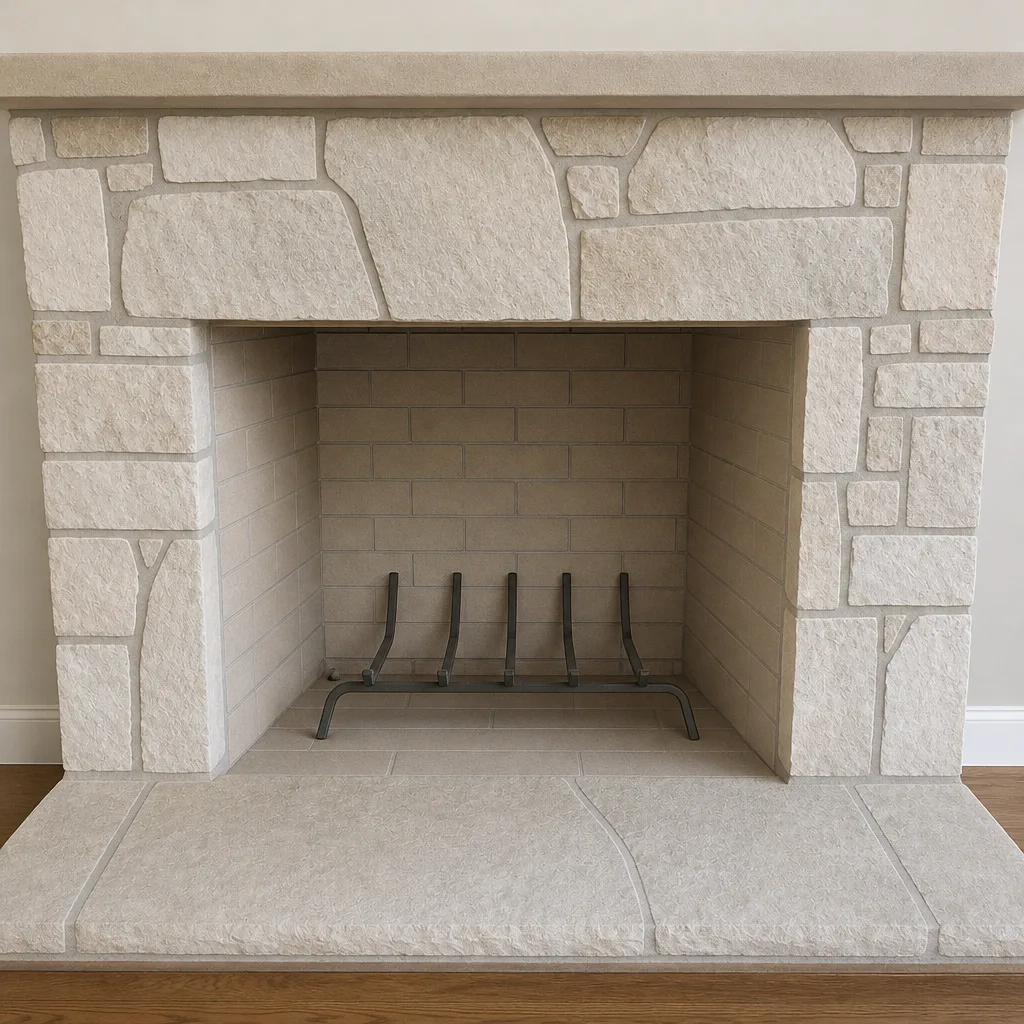
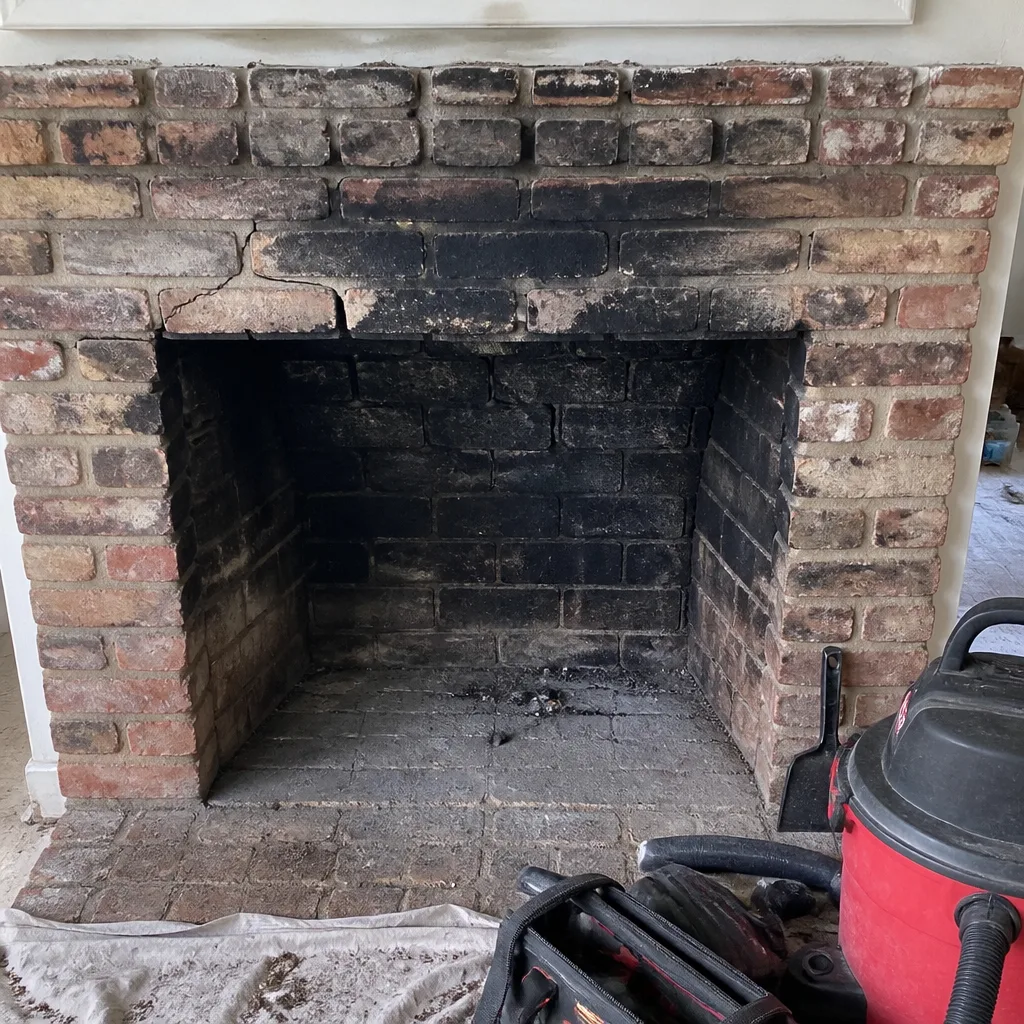
See the difference
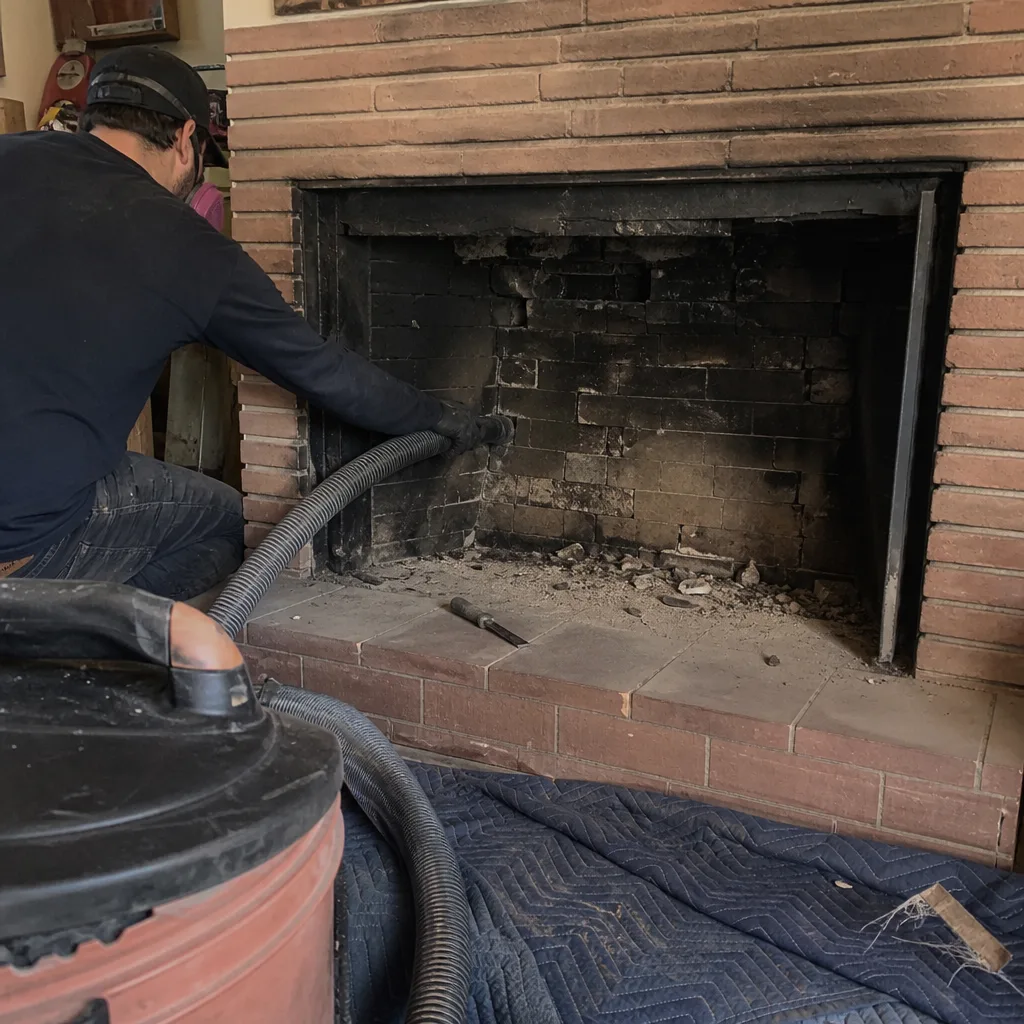 Before
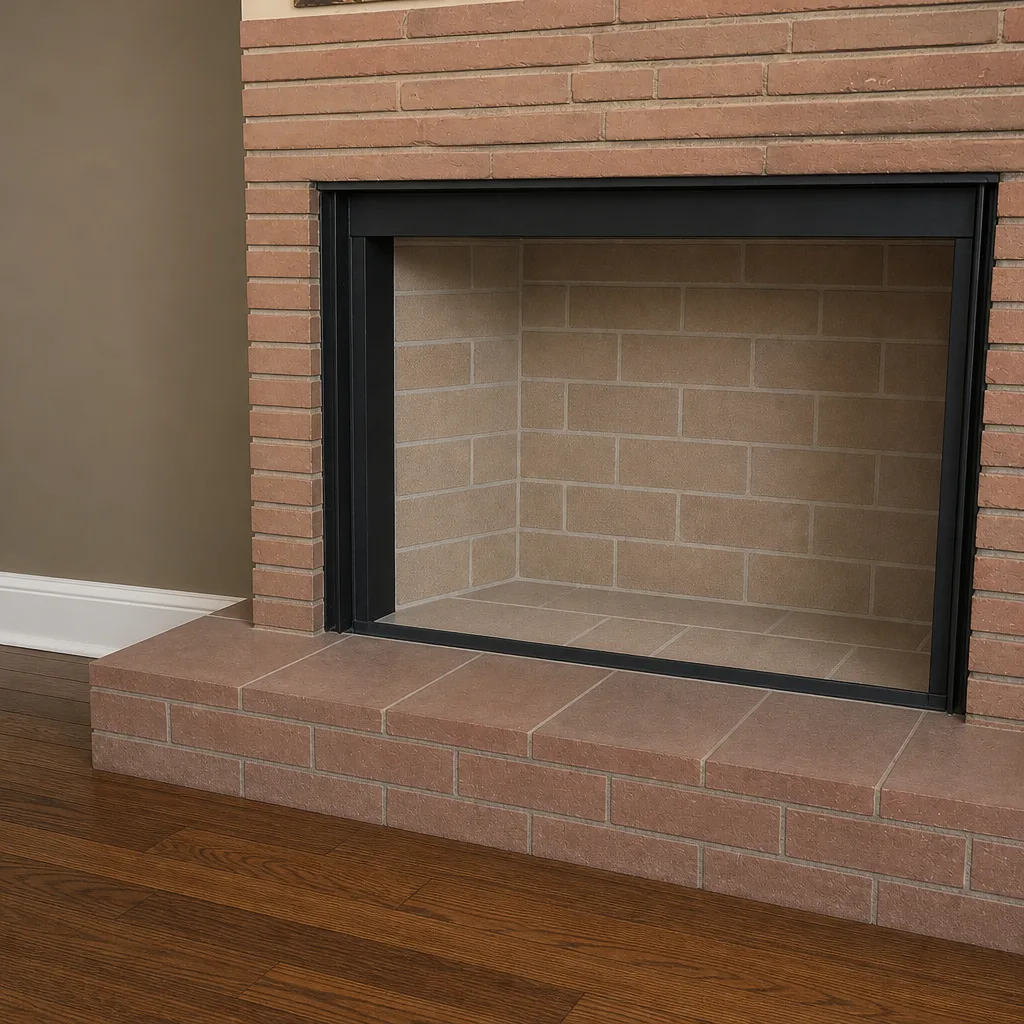 After
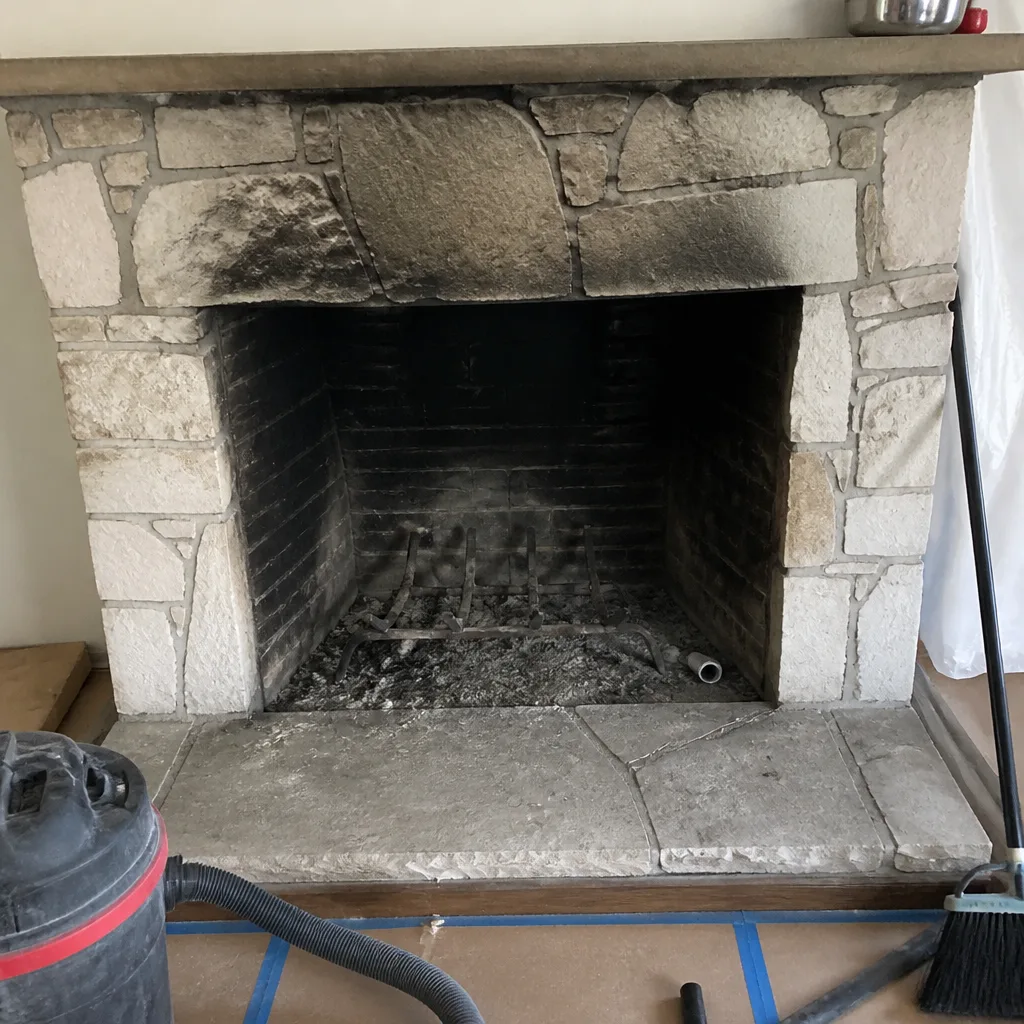 Before
 After
 Before
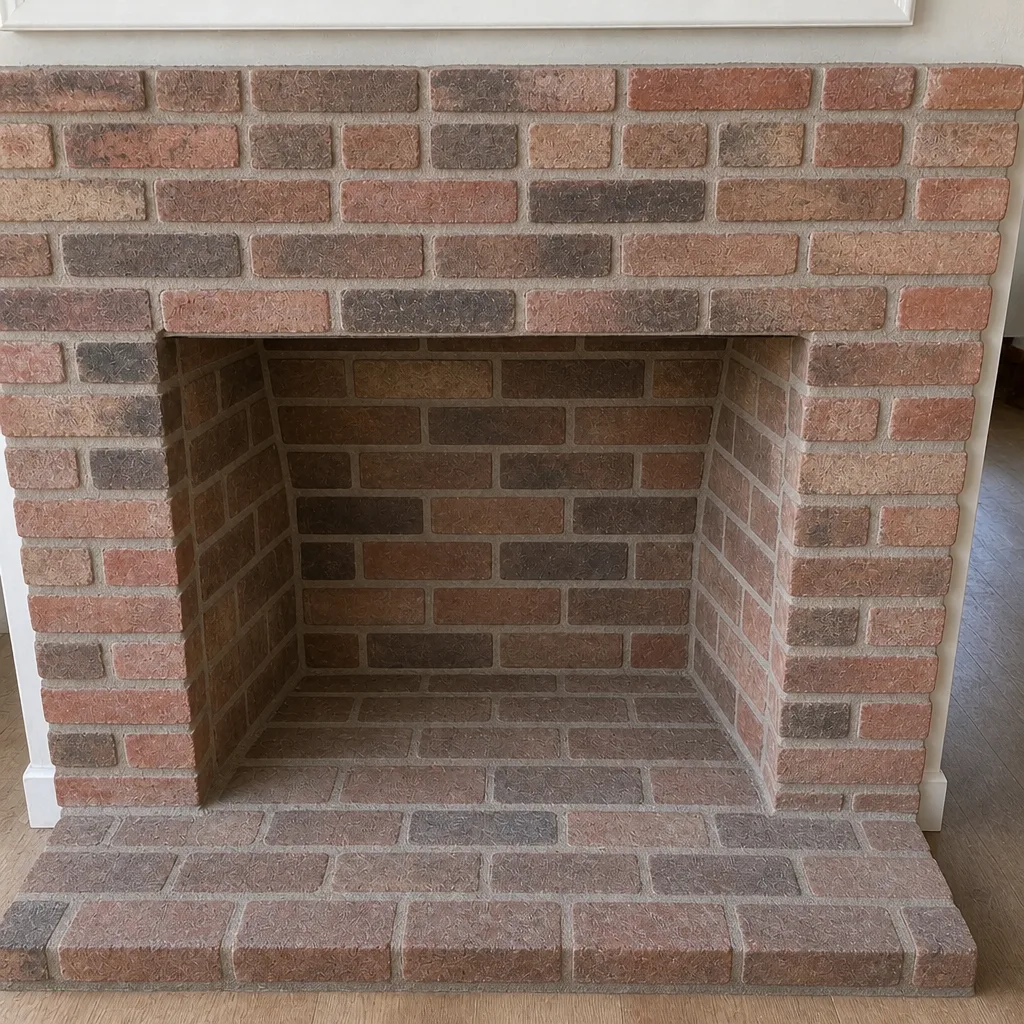 After
When to Call a Professional
Call when the symptom affects the ability to use the fireplace safely: persistent smoke, recurring odors after a sweep, visible liner fragments, water in the firebox, or any sign of a chimney fire. These are not problems that get better with another season of fires. They get more expensive. Call when the damper no longer seals or opens fully, because a fire through a broken damper is unpredictable. Call when you want the full picture, not just the brush. Chimney Sweep Los Feliz offers free estimates in Los Feliz – call (833) 467-6692. We answer 24/7. Fast dispatch from 7am to 7pm, Sunday through Friday.
Frequently Asked Questions
Every year if you burn more than the occasional fire, or every two years if the fireplace is mostly decorative. The National Fire Protection Association recommends annual inspection, and that guideline applies here. Los Feliz burns cool fires more often than other California climates because the winters are mild, and cool fires create more creosote, not less.
Rain increases humidity inside the flue, and humidity activates the creosote deposits on the flue walls. If the smell is strong enough to notice, the creosote has reached Stage 2 or Stage 3, and a standard sweep will not remove it. The flue needs mechanical or chemical treatment, and possibly HeatShield resurfacing if the deposits have penetrated the flue surface.
It means the flue liner is cracking and spalling. The liner is the protective barrier between the fire’s heat and the chimney’s masonry structure. A cracking liner is a stop-use signal, and the repair is either HeatShield resurfacing or a DuraFlex stainless liner, depending on the damage.
Opening a window is the test, not the fix. If the fireplace draws normally with the window open and smokes with it closed, the problem is negative house pressure. The long-term solution is a dedicated combustion air supply, which gives the fire the air it needs without making you sit in a draft.
The estimate is free, and the final price is set by a written estimate based on what the technician finds. A straightforward sweep of a fireplace without significant creosote is typically in the lower range of Los Feliz chimney work, while a full inspection with Stage 2 removal and cap replacement will land higher. The flue condition, creosote stage, and whether repairs are needed determine the cost. Call (833) 467-6692 to schedule a free estimate and get an exact number for your chimney.
An open damper that still smokes usually points to one of three things: negative house pressure pulling air down the chimney, a blocked flue from debris or a nest, or a flue that is oversized for the firebox and does not develop enough draft. The test with the window isolates pressure issues quickly. If opening a window does not help, the flue needs an inspection to check for blockages or sizing problems.
The Bottom Line
Most chimney problems in Los Feliz are diagnosable before they become hazardous, but only if you know what the signs mean. Creosote stage tells you how the fire burns and how much of a hazard is present. Negative pressure explains more smoky fireplaces than chimney defects. The difference between liner failure and mortar deterioration determines whether you need a new flue system or masonry repointing. And the line between schedule-a-sweep and stop-use signals is the difference between a maintenance call and a fire. When you see the signs, call (833) 467-6692. We answer 24/7. Fast dispatch from 7am to 7pm, Sunday through Friday. A free estimate gives you the full picture, and the parts for most fixes are already on the truck.
Written by the team at Chimney Sweep Los Feliz, serving Los Feliz since 2011.