
Last updated November 5, 2026
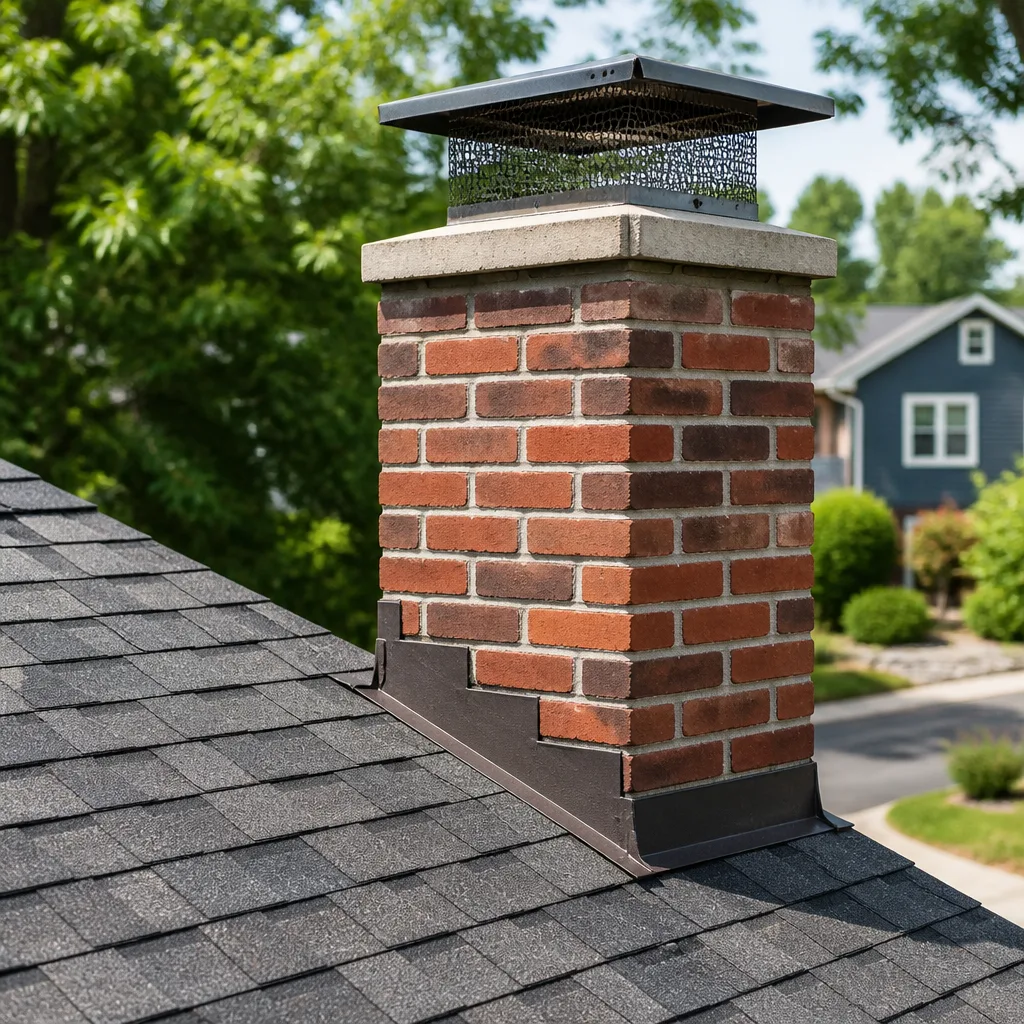 Sweep & inspection
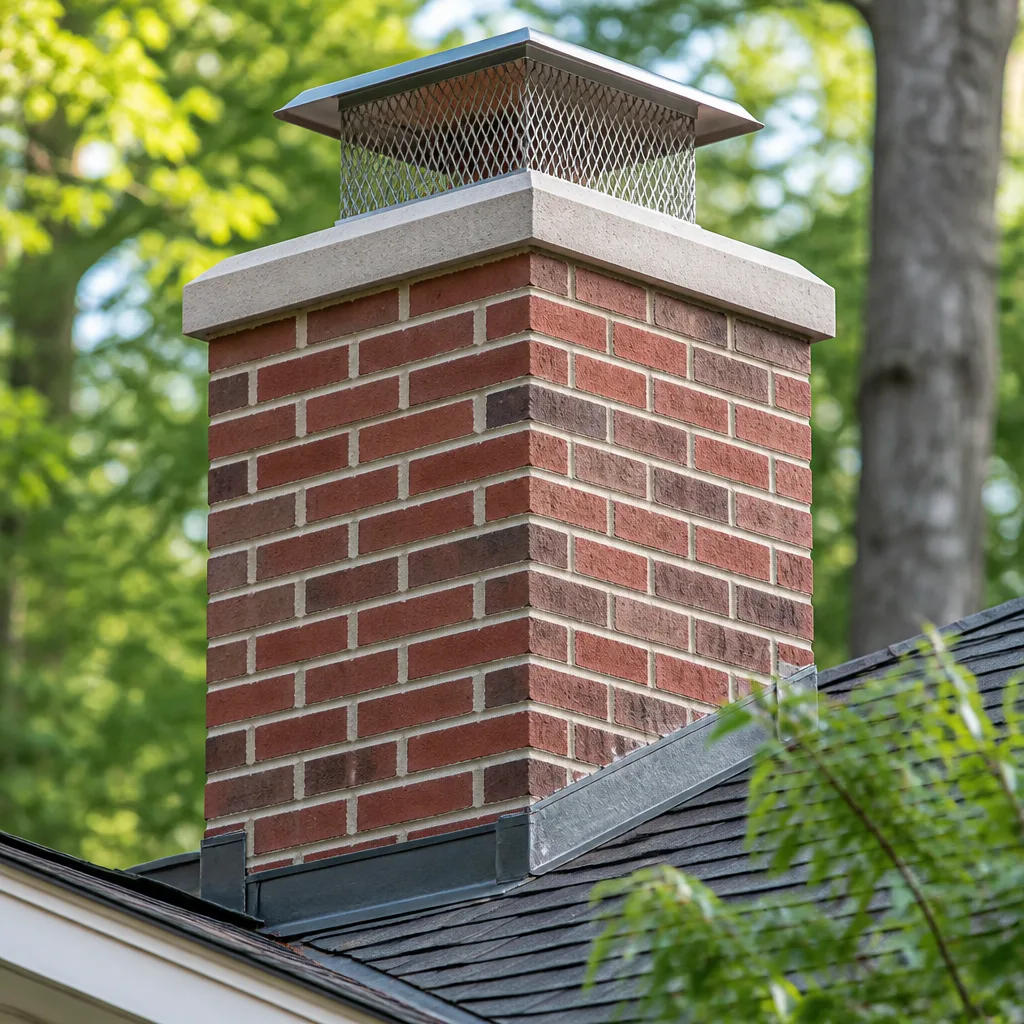 Caps & crowns
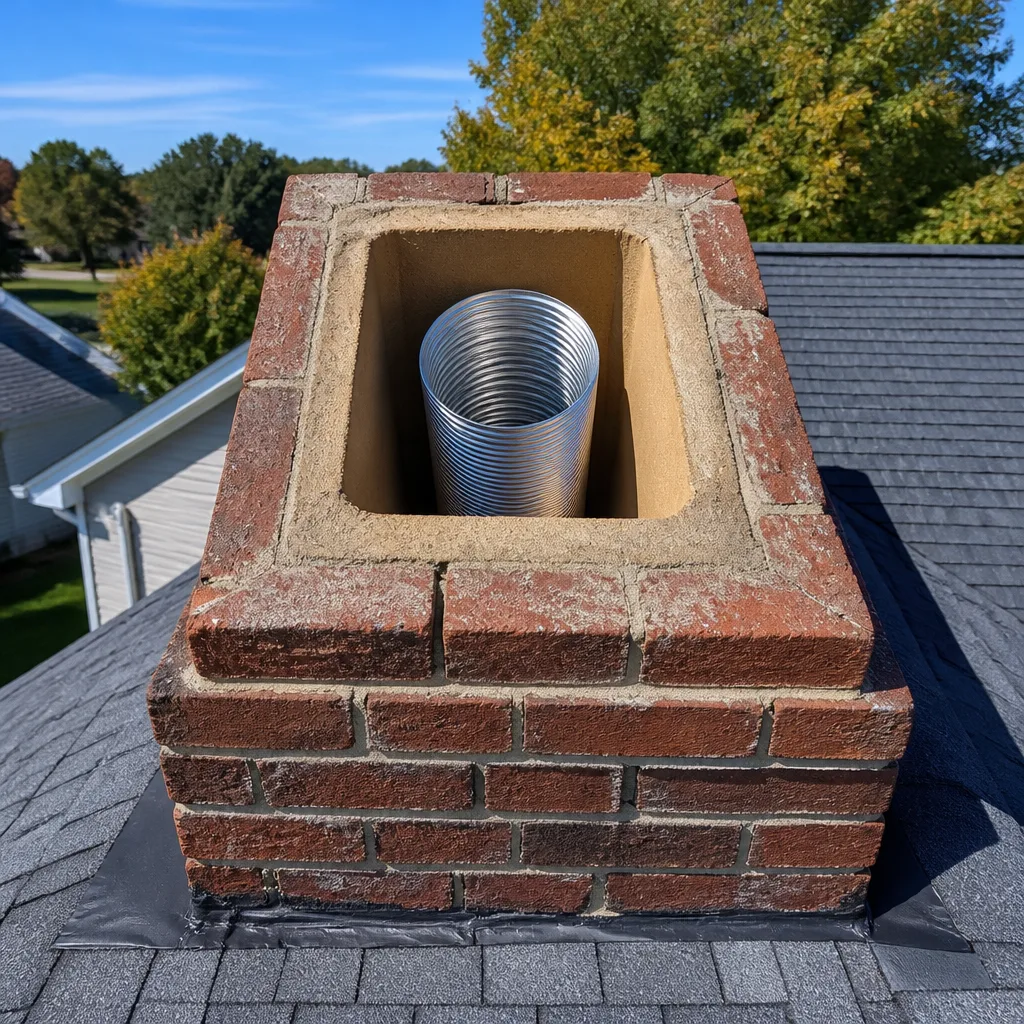 Flue relining
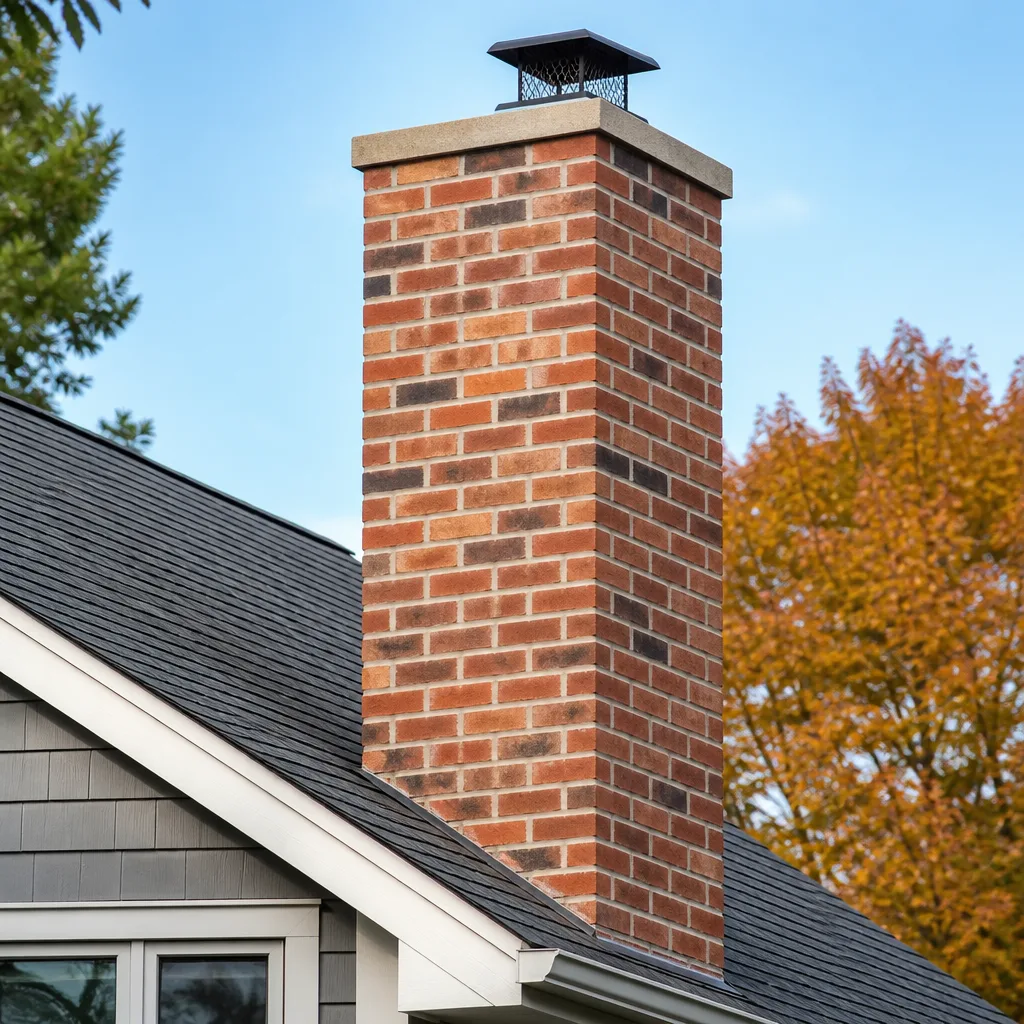 Masonry repair
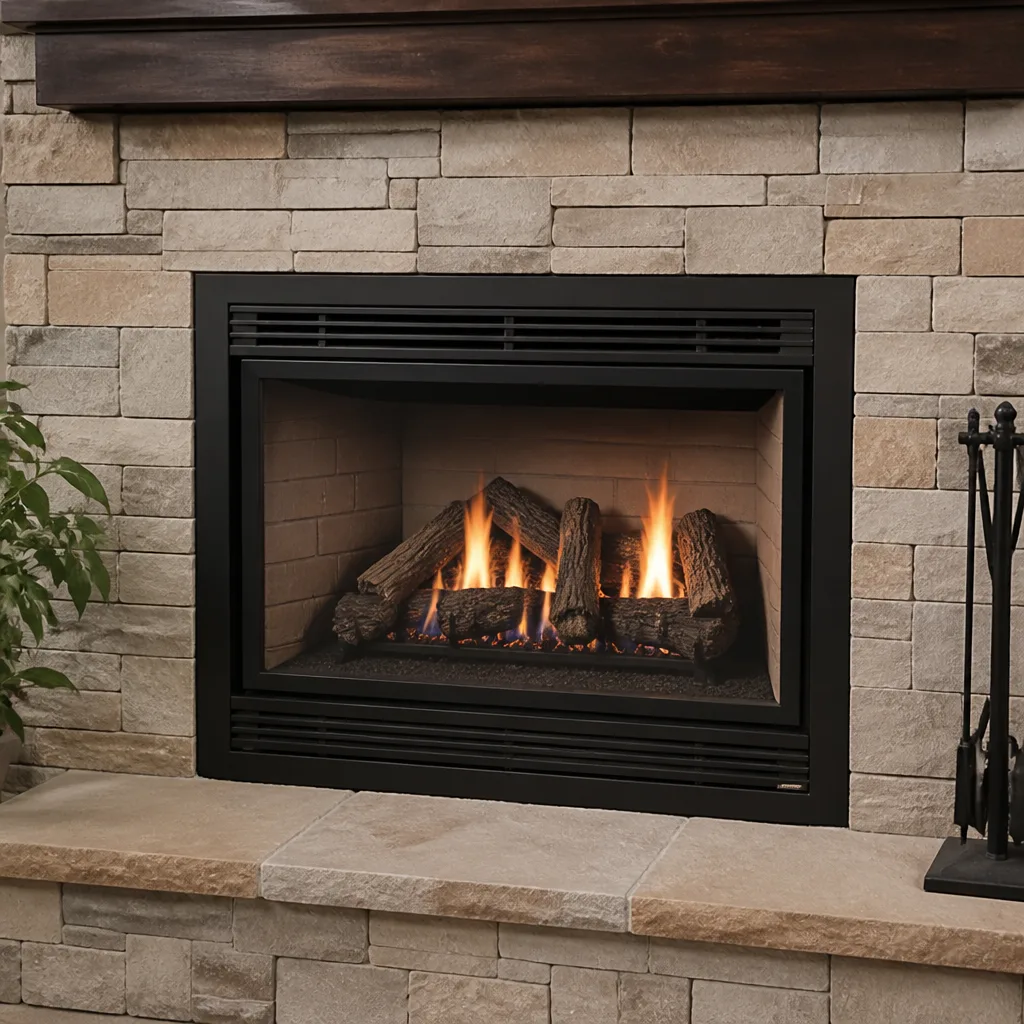 Gas fireplace service
Level 1 sweep and inspection to the NFPA 211 annual standard - flue, crown, cap, and flashing checked and photographed
Chimney sweep logs do not sweep chimneys. They loosen some creosote - which then falls where a brush and vacuum still have to collect it.
Chimney Sweep Maintenance Checklist for Los Feliz Homeowners
The Los Feliz tree canopy, heavy with mature sycamores, jacarandas, and palms, deposits more organic debris into unprotected flues in a single windy week than most homeowners assume accumulates in a full year. A routine sweep isn’t just about soot. It’s about catching the specific failure points this neighborhood throws at chimneys: aging mortar joints, earthquake-stressed crowns, and debris intrusion from overhanging branches. This checklist walks you through what to check yourself, what a certified sweep should handle, and when repair work can’t wait.
Quick Answer
A Los Feliz chimney maintenance checklist has two tracks: homeowner visual checks you do seasonally (crown, cap, damper, exterior mortar, debris around the flue) and professional tasks done during a chimney sweep (flue cleaning, camera inspection, liner assessment, crown repair evaluation). The most overlooked items in Los Feliz are earthquake micro-damage to crowns and mortar, sparrow and rat intrusion through damaged caps, and creosote buildup from burning unseasoned wood in mild winters. Book a sweep before your first fire of the season, and after any seismic event strong enough to rattle windows.
Styles & brands we work with
- Sweep & inspection
- Caps & crowns
- Flue relining
- Masonry repair
- Gas fireplace service
Table of Contents
- When to Run This Checklist in Los Feliz
- Homeowner Visual Checks: What You Can Do Yourself
- What a Certified Sweep Must Do
- Earthquake Micro-Damage: What to Look For After a Shaker
- Cap and Screen Condition: Sizing Mesh for Los Feliz Pests
- Damper Operation Test: Sticky vs. Warped
- The Documentation Habit That Protects You Later
- Why Your Dryer Vent Belongs on the Same Checklist
When to Run This Checklist in Los Feliz
Los Feliz winters are mild, which creates a specific problem: homeowners here burn fewer fires per season, so creosote sits longer between sweeps. Creosote is acidic and hygroscopic, meaning it attracts moisture even in dry Southern California air. That moisture accelerates corrosion inside the flue and eats at mortar joints over time. The result is that a chimney used only twenty or thirty nights a year can still develop significant interior damage because the byproducts of those fires never get removed promptly.
The practical rule for Los Feliz homes is this: schedule your sweep in early fall, before the first cool evening fire, and run the visual checklist twice a year – once in spring after the rainy season, and once in early fall before burning season. If you felt a seismic event strong enough to knock pictures askew, run the earthquake damage checklist within a week, regardless of season.
Here is a simple timing guide:
- Early fall (September-October): Full professional sweep, damper test, cap and screen inspection, crown evaluation.
- Early spring (March-April): Homeowner visual inspection for winter storm damage, pest intrusion, and moisture staining.
- After any noticeable earthquake: Crown and mortar joint inspection, even if the chimney looks fine from ground level.
- Before selling or buying a home: Camera inspection with documentation, which we cover in the documentation section below.
Homeowner Visual Checks: What You Can Do Yourself
Some maintenance tasks belong to a certified sweep with proper tooling. Others are things any attentive homeowner can do from the ground or a safely accessible roof position. We’re going to be direct about the difference. A homeowner should never climb onto a steep roof without proper fall protection, and should never attempt to remove a damaged cap or access a flue interior without the right equipment. But visual observation from a ladder at the roofline or from ground level with binoculars is reasonable.
Here are the checks a Los Feliz homeowner can perform safely:
- Look at the crown from ground level. The crown is the concrete or mortar slab at the very top of the chimney. You’re looking for visible cracks wider than a hairline, missing chunks, or a slope that appears flat. A flat crown holds water, and standing water in Los Feliz’s occasional heavy rainstorms seeps into the masonry below.
- Check the cap and screen. The cap is the metal cover that keeps rain out. The screen wraps around the flue opening to keep animals out. Bend down and look for rust, missing sections of screen, or a cap that sits crooked. A crooked cap often means the crown beneath it has shifted.
- Scan the exterior mortar joints. From the ground, look at the vertical mortar lines between bricks. In Los Feliz, many homes are older Spanish Revival or Tudor styles with original masonry. Mortar that looks sandy, recessed, or missing in spots indicates repointing is needed. This is not a DIY job; it requires a mason’s touch and the right mortar mix.
- Look for debris accumulation at the base of the flue. If you can see leaves, twigs, or palm fronds resting on top of the cap or wedged in the screen, that’s your signal the flue is collecting material. Sycamore leaves are large and catch easily. Jacaranda flowers are small but numerous. Both decompose into acidic organic matter inside the flue.
- Check the firebox interior with a flashlight. When the fireplace is cold, crouch down and look up. You’re looking for flaking brick, white staining (efflorescence from moisture), or a thick, shiny, tar-like coating (third-degree creosote). If you see anything that looks like black glass on the flue walls, stop using the fireplace and call a sweep.
These homeowner checks are the first layer. They catch obvious problems. The next layer is what a certified sweep finds with professional equipment.
What a Certified Sweep Must Do
A professional sweep in Los Feliz goes far beyond running a brush up the flue. The brush work removes creosote and soot, but the diagnostic work during the visit is what protects your home. When we perform a Chimney Sweep Los Feliz maintenance visit, the sweep includes several inspection points that a homeowner simply cannot perform without a chimney camera and the training to read what it shows.
A complete professional sweep should include:
- Full flue brushing with the correct diameter brush for your flue size. This removes creosote deposits and loosens any debris that has accumulated from the tree canopy.
- Camera inspection of the flue interior after brushing. This is how you identify cracked clay liner tiles, gaps in mortar joints between tiles, and areas where the liner has spalled or separated. A camera inspection is the only way to see the middle third of the flue, where most hidden damage lives.
- Smoke chamber assessment. The smoke chamber is the angled section between the firebox and the flue. In older Los Feliz homes, smoke chambers often have corbeled brick without a smooth parge coat. This creates turbulence that slows draft and deposits creosote in the chamber’s recesses. A sweep should check for buildup here specifically.
- Crown and cap evaluation. The sweep should document crown cracks, cap rust, and screen gaps with photos so you have a record.
- Down draft and draft test. The sweep should confirm the flue is drafting properly. In Los Feliz, many homes sit on hillside lots with unusual wind patterns, and surrounding hills can create localized pressure differences that affect draft.
- Liner condition report. If the camera shows cracked or missing liner sections, the sweep should explain your options clearly, including whether the flue can be resurfaced with HeatShield rather than fully relined. We stock HeatShield resurfacing materials and DuraFlex flexible liner systems, which means when the camera reveals liner damage, we can often begin the repair during that same visit rather than scheduling a second appointment for parts.
- Re-examine the crown. Compare it to your memory or photos from your last inspection. New cracks often radiate outward from the flue opening or run parallel to the crown edge. If you see a crack that was not there before, mark it with a pencil on a printed photo so you can track whether it widens.
- Check for shifted cap position. A cap that sat level before and now tilts even a few degrees means the crown underneath moved. This is more serious than a cosmetic issue; a shifted cap can break the seal around the flue and allow water in.
- Inspect the attic chase. If you have access to the attic space around the chimney, look for new dust or grit on the framing around the masonry. A quake that shakes mortar loose often leaves a fine dust trail where the chimney passes through the attic.
- Run the damper test described in the next section. A quake can bind a damper that previously operated smoothly.
- Look for new cracks in the firebox. The firebox takes the brunt of the shake because it sits at the base of the chimney. Hairline cracks in firebrick are common after quakes and often harmless at first, but they can widen with heat cycling.
- Screen mesh size. The mesh should be small enough to exclude sparrows, which can squeeze through surprisingly small gaps. A screen with openings of three-quarters of an inch or smaller is the standard for excluding most birds and rodents. If your screen has holes, tears, or sections that have pulled away from the cap frame, it needs replacement.
- Screen material. Galvanized steel screens rust over time in Los Feliz’s occasional rain and persistent UV exposure. Stainless steel screens last longer. When the screen rusts through, it fails exactly where you can’t see it from the ground.
- Cap coverage. The cap should cover the entire flue opening with adequate overhang so rain cannot enter even when wind drives it at an angle. On hillside lots in Los Feliz where wind patterns shift, a cap with insufficient overhang can let water drive into the flue during a storm.
- Mounting integrity. The cap should be secured to the crown, not just resting on it. A cap that has come loose from its mounting screws or adhesive can shift during a quake or high wind and expose the flue opening.
- Open the damper fully. Use a flashlight to look up through the throat. The damper should open completely with firm but not excessive force. A damper that requires significant effort to move may have rust on the pivot points or creosote buildup restricting its travel.
- Check for smooth travel. Move the damper through its full range and back. It should move smoothly. A sticking sensation means lubrication or cleaning is needed. We can often resolve a sticky damper with a cleaning of the pivot hardware and the application of an appropriate high-temperature lubricant.
- Look for warping. Shine the flashlight across the damper plate’s surface. A warped plate shows as a curve or twist in the metal. A warped damper cannot seal properly, which means heated air from your home escapes up the flue all winter, even when the fireplace is not in use. It also means the damper cannot fully open for proper draft. A warped damper plate should be replaced before the next fire.
- Inspect the gasket area. If your damper has a gasket or seal around its perimeter, look for cracked, brittle, or missing sections. A failed gasket causes the same heat loss problem as a warped plate.
- Test the seal. Close the damper and hold a lit incense stick or a piece of thread near the throat. If smoke or the thread drifts toward the flue, the damper is not sealing and needs attention.
- Date of each sweep. Include the company name and what was done.
- Findings from each camera inspection. Note any liner cracks, crown damage, or moisture intrusion observed.
- Repairs performed. Include the specific materials used, for example, HeatShield resurfacing compound or a DuraFlex liner section.
- Photos. Take your own photos of the cap, crown, and firebox from the same angles each time. This creates a visual timeline.
- Seismic events. Note the date and approximate magnitude of any earthquake you felt, and what the chimney inspection afterward revealed.
What a sweep should never do is simply brush and leave without telling you what the camera showed. If a sweep finishes in twenty minutes and offers no findings, you didn’t get a full maintenance visit.
Earthquake Micro-Damage: What to Look For After a Shaker
Los Feliz sits in seismically active Southern California, and even minor earthquakes that cause no structural damage to a home can create hairline fractures in chimney crowns and mortar joints. These fractures don’t appear dramatic. They look like thin, irregular lines in the crown surface or vertical cracks running through mortar between bricks. But they matter because they create paths for water intrusion, and during the next quake, they become the weak point where the chimney fails first.
After any seismic event strong enough to rattle windows or knock a picture crooked, run this checklist within a week:
Most earthquake micro-damage is repairable when caught early. Crown resurfacing and mortar repointing are straightforward for a chimney specialist. Left unaddressed, those hairline fractures become entry points for water, and water damage inside masonry in Los Feliz’s dry climate can go unnoticed for seasons until the damage is extensive.
Cap and Screen Condition: Sizing Mesh for Los Feliz Pests
Los Feliz has a pest pressure problem that many homeowners underestimate. Sparrows, rats, and squirrels are all active in the neighborhood, and an unprotected flue is a standing invitation. Sparrows build nests inside flues that block draft and create fire hazards. Rats climb stucco and rough brick easily and will enter a flue seeking shelter. Once a bird or rodent enters, removing it and its nest is a job for a professional, not a homeowner with gloves.
The cap and screen are your first line of defense. Here is what to check:
When we replace caps and screens in Los Feliz, we use professional-grade components from suppliers like Olympia Chimney, Famco, and Copperfield. The reason the supplier matters is that these companies build components to fit standard flue tile dimensions precisely, with screen mesh sized correctly for pest exclusion. A big-box cap that doesn’t fit your flue properly creates gap points that pests find quickly.
Damper Operation Test: Sticky vs. Warped
The damper is the metal plate inside the throat of the fireplace that opens and closes the flue passage. It’s the component homeowners interact with most, and it’s also the one that gets ignored until it stops working on the first cold evening of the season. Testing it before burning season is a five-minute task.
The distinction between sticky and warped matters because a sticky damper is typically a service fix during a routine visit, while a warped plate requires replacement. If you’re not sure which problem you have, a sweep can tell you during a standard maintenance visit. We inspect the damper on every visit because a damper that works is the difference between a fireplace that heats efficiently and one that pulls warm air out of your home all winter.
The Documentation Habit That Protects You Later
Homeowners who use a fireplace regularly should keep a simple log of maintenance. This habit costs nothing and pays off during insurance claims and real estate transactions. When a chimney fire or water intrusion claim is filed, the insurance adjuster asks for maintenance records. If you can produce a log showing regular sweeps and documented findings, the claim process is much simpler than if you have to explain why no one has looked at the chimney in six years.
What to record:
When you sell your Los Feliz home, this log becomes valuable documentation for the buyer. It demonstrates that the chimney was maintained consistently. In a market where older Spanish Revival and Tudor homes command premium prices, a chimney maintenance log is a small but real selling point. It also protects you if a buyer asks about chimney condition during escrow; you can provide records instead of paying for a last-minute inspection under time pressure.
Why Your Dryer Vent Belongs on the Same Checklist
Dryer vent fires are a leading cause of household fires in the United States, and a clogged dryer vent behaves like a chimney in reverse: instead of venting combustion gases upward from a fire, it vents hot, lint-laden air horizontally through a narrow duct. Lint accumulates in that duct, restricts airflow, and can ignite from the dryer’s own heat. Most homeowners don’t think about their dryer vent until the dryer starts taking two cycles to dry a load or the laundry room gets unusually warm.
If you’re running a maintenance checklist for your chimney, add dryer vent cleaning to it. Here is the practical reason: both systems are fire-hazard points in the same home, and the same specialist team that sweeps your chimney can clean your dryer vent in the same visit. One call, one crew, two fire risks addressed. We stock Famco and Gelco venting components, which means if the dryer vent cap is damaged or the duct needs a section replaced, we have the parts on the truck and can finish the job during the same appointment.
We recommend dryer vent cleaning at least once a year for homes with regular dryer use. If you have a long duct run, multiple bends, or a roof-terminated vent, twice a year is safer. Los Feliz homes with rooftop dryer vents should pay particular attention because these arrangements create longer duct runs that collect lint more quickly.
Common Mistakes to Avoid
- Skipping the spring inspection because “the fireplace is done for the year.” Spring is when you catch water damage from winter rain and pest intrusion from nesting season. Waiting until fall means six more months of whatever is wrong getting worse.
- Burning unseasoned wood. Los Feliz’s mild climate means firewood bought in November and burned in December may not be fully seasoned. Unseasoned wood creates more creosote per fire than dry wood, which accelerates buildup in a chimney used infrequently.
- Ignoring a sticky damper. A damper that sticks today becomes a damper that fails entirely on the first cold evening when you most want a fire. Sticky dampers often need only cleaning and lubrication during a routine sweep.
- Using a generic cap that doesn’t fit the flue. A cap that doesn’t seat properly on the flue tile leaves gaps that birds and rodents find. The cap should be sized to the specific flue dimensions, and the screen mesh should be small enough to exclude sparrows.
- Not running the earthquake checklist after a small quake. Minor tremors that cause no visible home damage can still crack a crown or mortar joint. Those cracks are small at first and widen with heat cycling and weather exposure.
- Treating the chimney and dryer vent as separate maintenance items. They’re both combustion-adjacent systems in the same home, and both benefit from professional cleaning. Combining the visits saves time and ensures both fire hazards are addressed.
- Relying on a visual inspection without a camera. A flue can look clean from the top and bottom while the middle third has cracked liner tiles or creosote buildup. Camera inspection is the only way to see the whole flue.
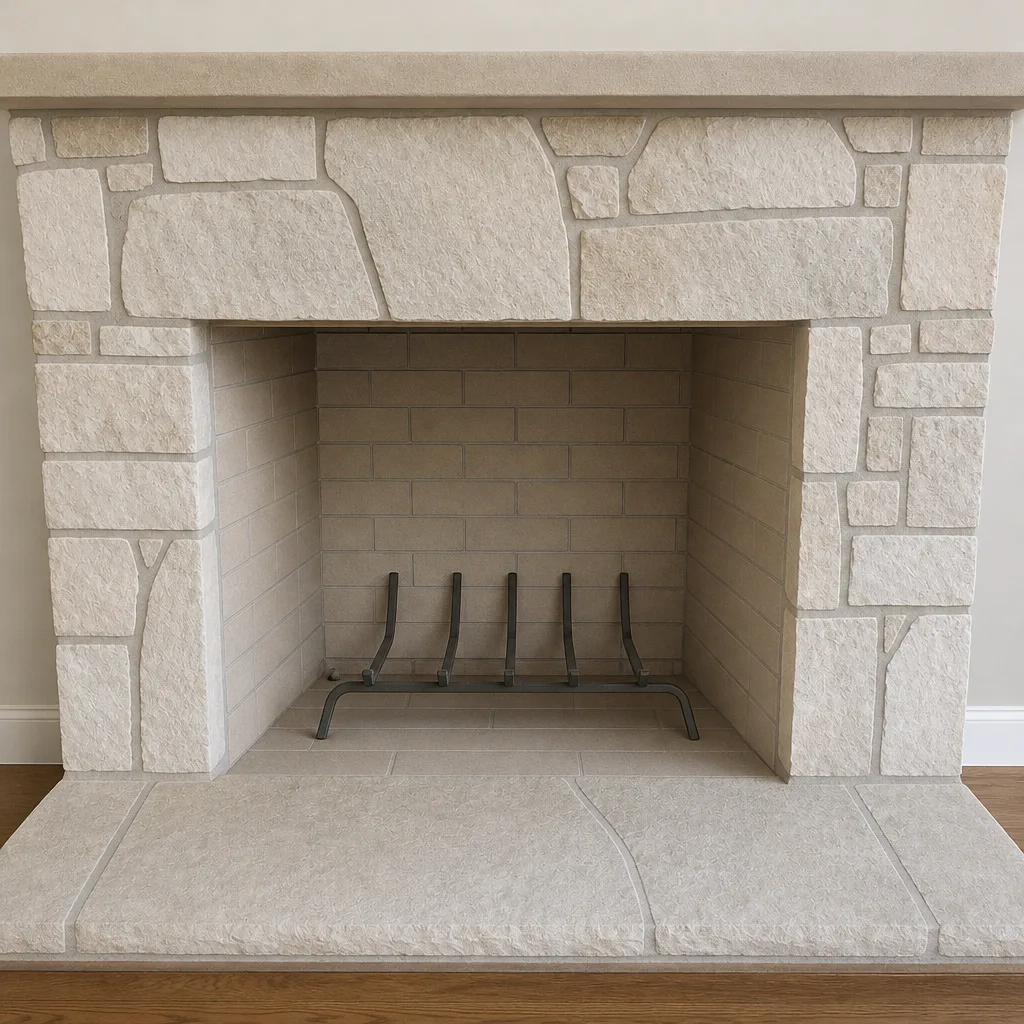
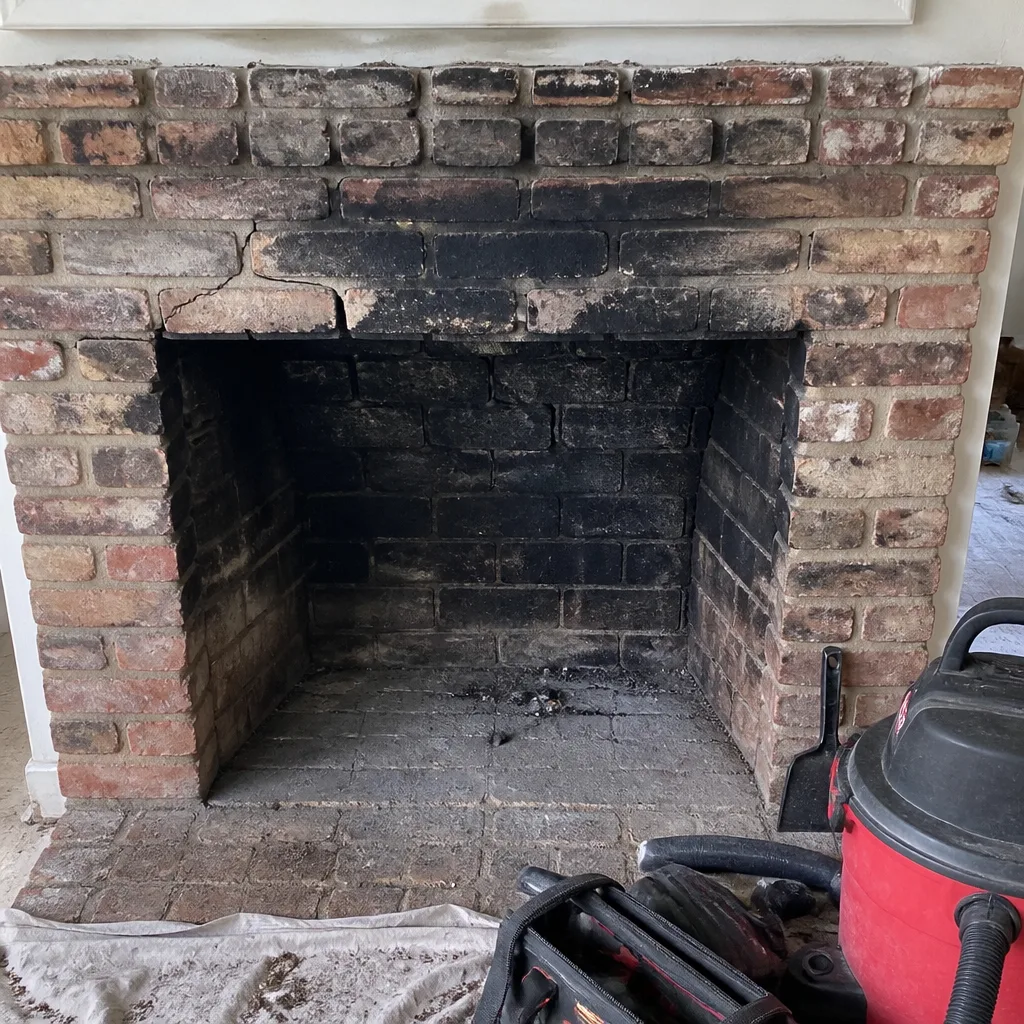
See the difference
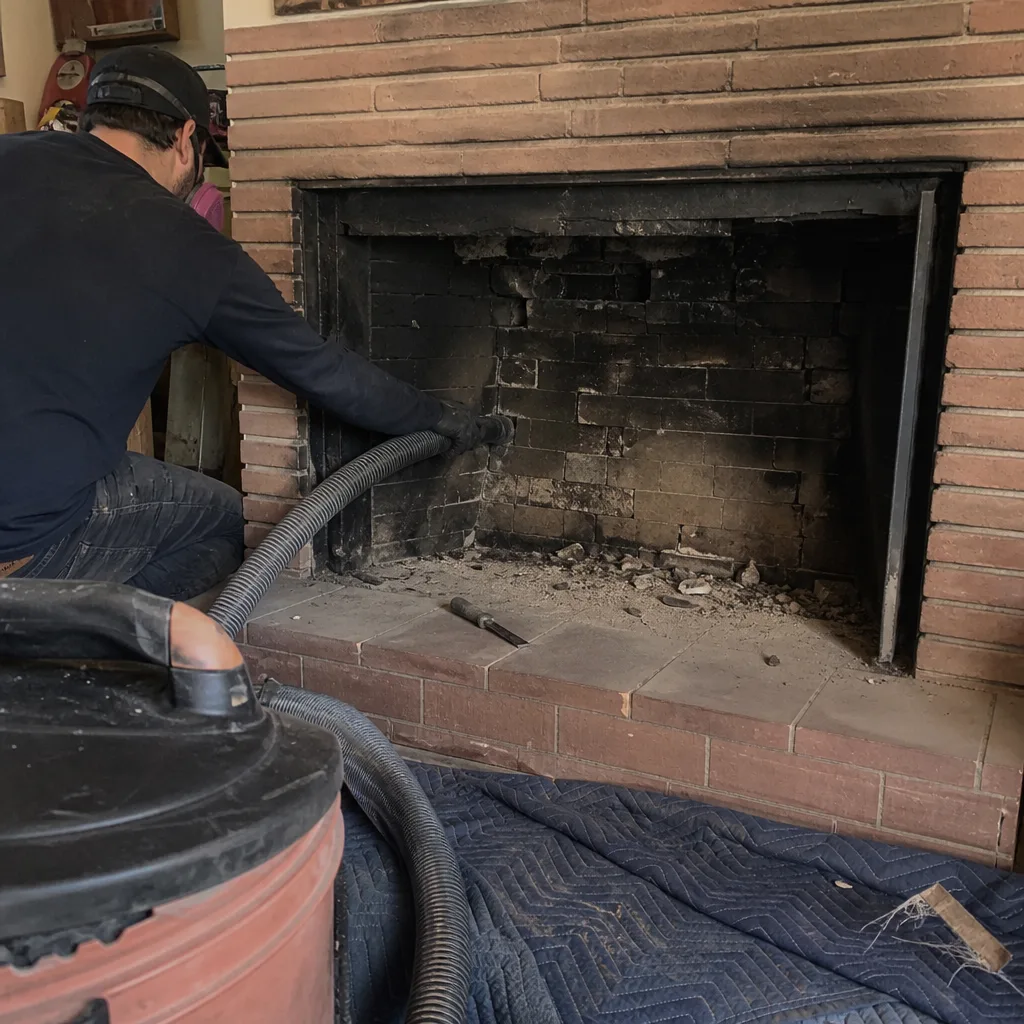 Before
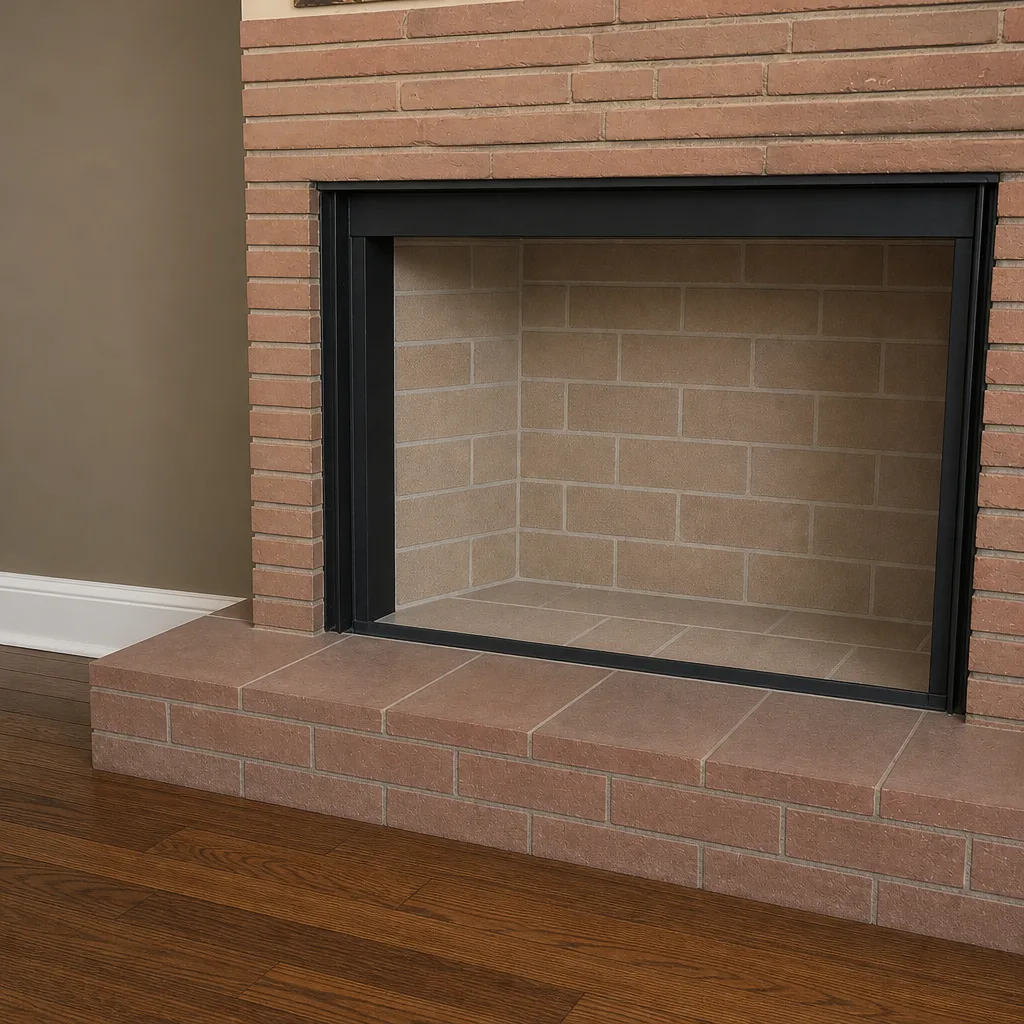 After
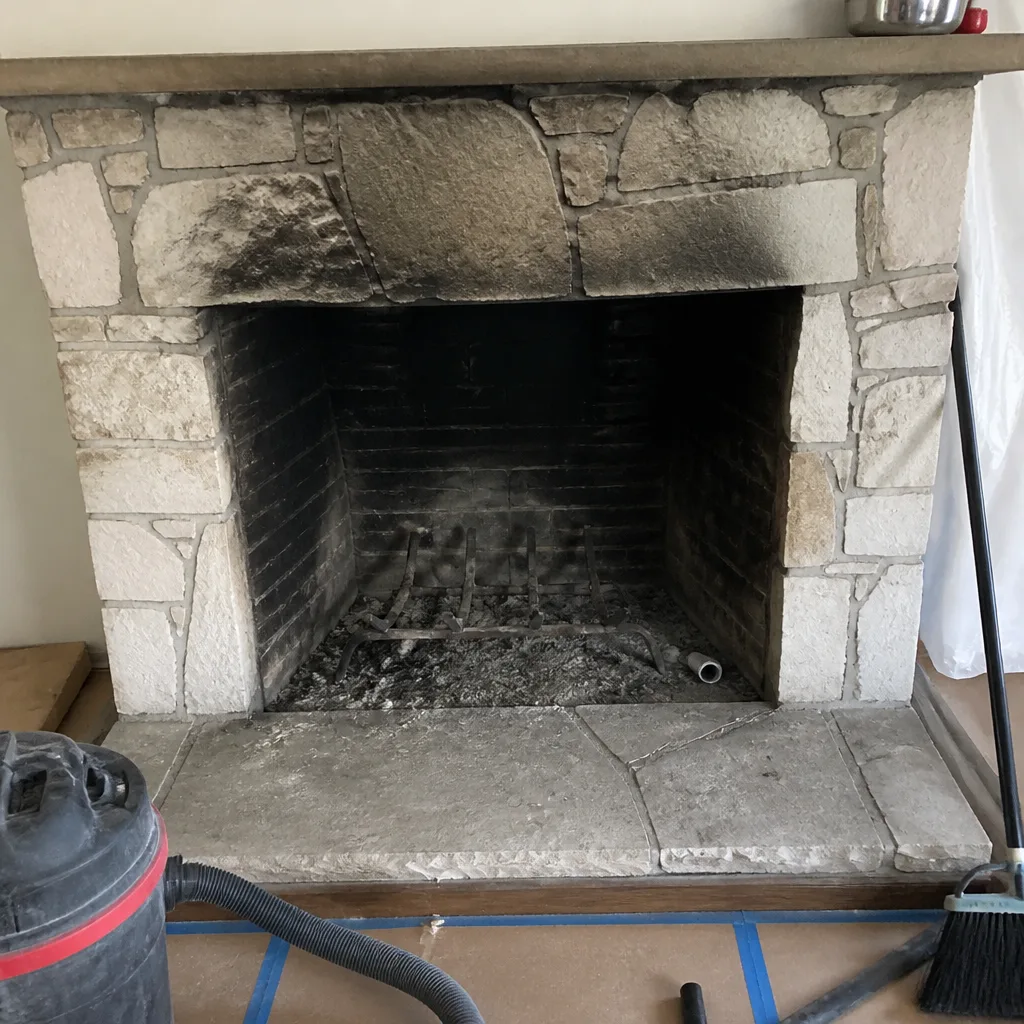 Before
 After
 Before
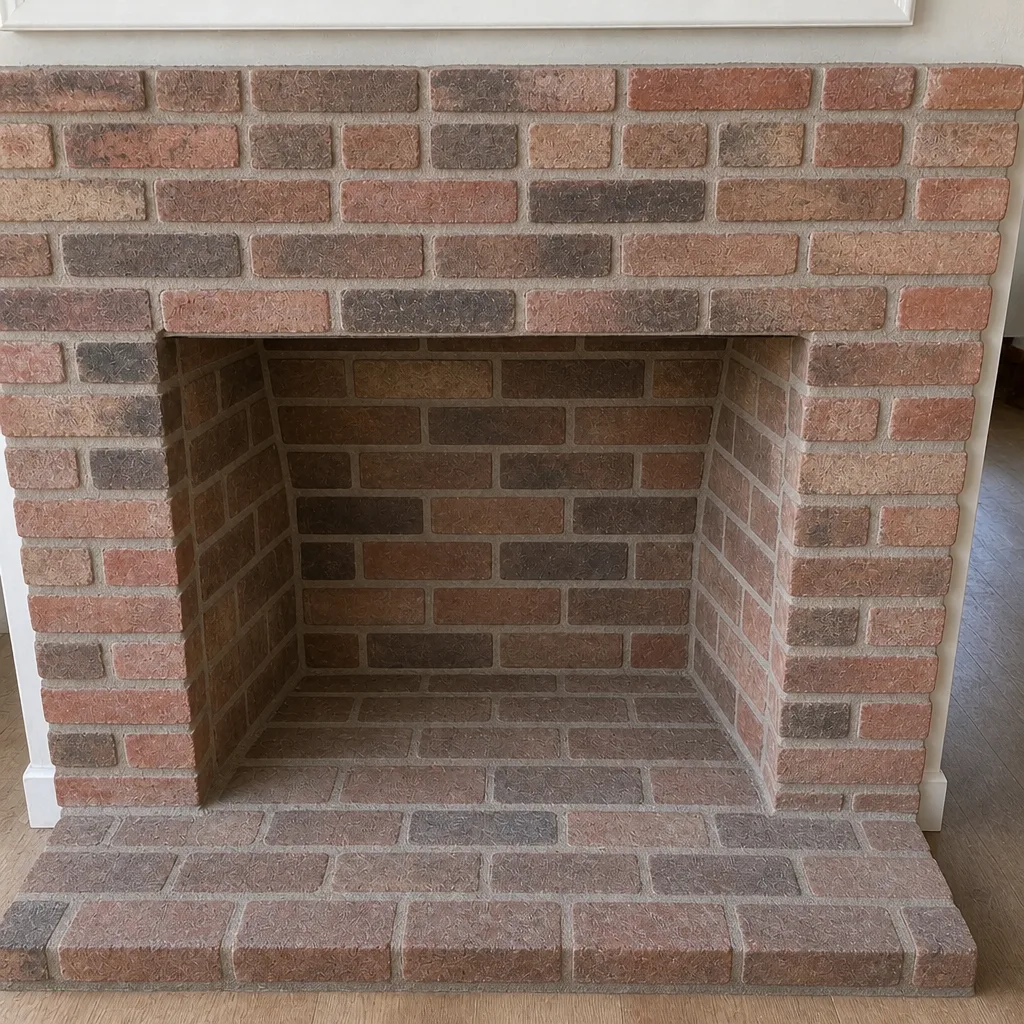 After
When to Call a Professional
Call a sweep if you see third-degree creosote (that shiny, tar-like coating on flue walls), if the camera inspection from your last visit showed liner cracks, if the cap is damaged or missing, if birds or rodents have entered the flue, or if the damper is warped. Call after any earthquake that rattled the house, even if the chimney looks fine from the ground. And call if your dryer is taking noticeably longer to dry clothes, or if the laundry room feels unusually warm during a cycle. Chimney Sweep Los Feliz offers free estimates in Los Feliz. Call (833) 467-6692. We answer 24/7. Fast dispatch from 7am to 7pm, Sunday through Friday.
Frequently Asked Questions
Once a year is the standard recommendation, timed for early fall before the first fire of the season. Los Feliz’s mild winters mean fewer fires per season, but that does not reduce the need for annual sweeping because creosote sits in the flue for months between uses and continues to corrode the liner. If you burn more than two fires per week during the winter, or if you burn unseasoned wood, consider a second sweep mid-season. Call (833) 467-6692 for a free estimate.
The cost of a chimney sweep depends on the flue size, the amount of creosote buildup, whether the chimney has not been swept in several years, and whether the cap or crown needs repair during the visit. The written estimate sets the final price, and the estimate is free. Call (833) 467-6692 for an exact quote for your Los Feliz home.
You only need a new liner or resurfacing if the camera inspection from your sweep shows cracked, missing, or separated liner tiles, or if there is moisture intrusion that has damaged the liner. The camera footage is your evidence. You should see the images yourself before agreeing to any liner work. In some cases, a flue can be resurfaced with HeatShield rather than fully relined, which is less invasive. No liner recommendation should be made without camera evidence you can review yourself.
Skipping a year means creosote that was present after the previous season sits in the flue for an additional year, continuing to attract moisture and corrode the liner and mortar. Debris from the Los Feliz tree canopy accumulates. Pests may enter through a damaged screen. The risk of a chimney fire increases, and damage that was minor becomes more expensive to repair. The cost of a sweep is always less than the cost of liner replacement or crown reconstruction.
While you can perform the visual checks described in this guide from ground level, chimney sweeping requires proper flue brushes, fall protection if accessing the roof, and a camera to inspect what the brush missed. The high-tension components of chimney work, combined with roof access and the risk of creosote exposure, make this a job for a trained professional. A certified sweep also has the liability coverage and diagnostic equipment that a DIY approach cannot replicate.
It depends on the cause. Damage from a documented earthquake or storm is more likely to be covered than damage from long-term neglect. This is why the documentation habit matters: a log showing regular sweeps and documented findings supports your claim. Insurance companies look for evidence that the homeowner maintained the chimney. If your chimney has damage from a seismic event, document it immediately and contact your insurer. Call (833) 467-6692 for a professional inspection and written findings.
The Bottom Line
A Los Feliz chimney maintenance checklist is not a generic seasonal to-do list. It’s a system built around the specific challenges of this neighborhood: tree debris from mature sycamores and jacarandas, earthquake-stressed crowns and mortar joints, and pest pressure from sparrows and rats. Run the homeowner visual checks twice a year, book a professional sweep with camera inspection before burning season, check for seismic micro-damage after any quake, and document everything. Add dryer vent cleaning to the same visit. The goal is not just a clean flue, it’s a chimney that works safely for years. Call (833) 467-6692 for a free estimate. We answer 24/7. Fast dispatch from 7am to 7pm, Sunday through Friday.
Written by the team at Chimney Sweep Los Feliz, serving Los Feliz since 2011.