
Last updated November 5, 2026
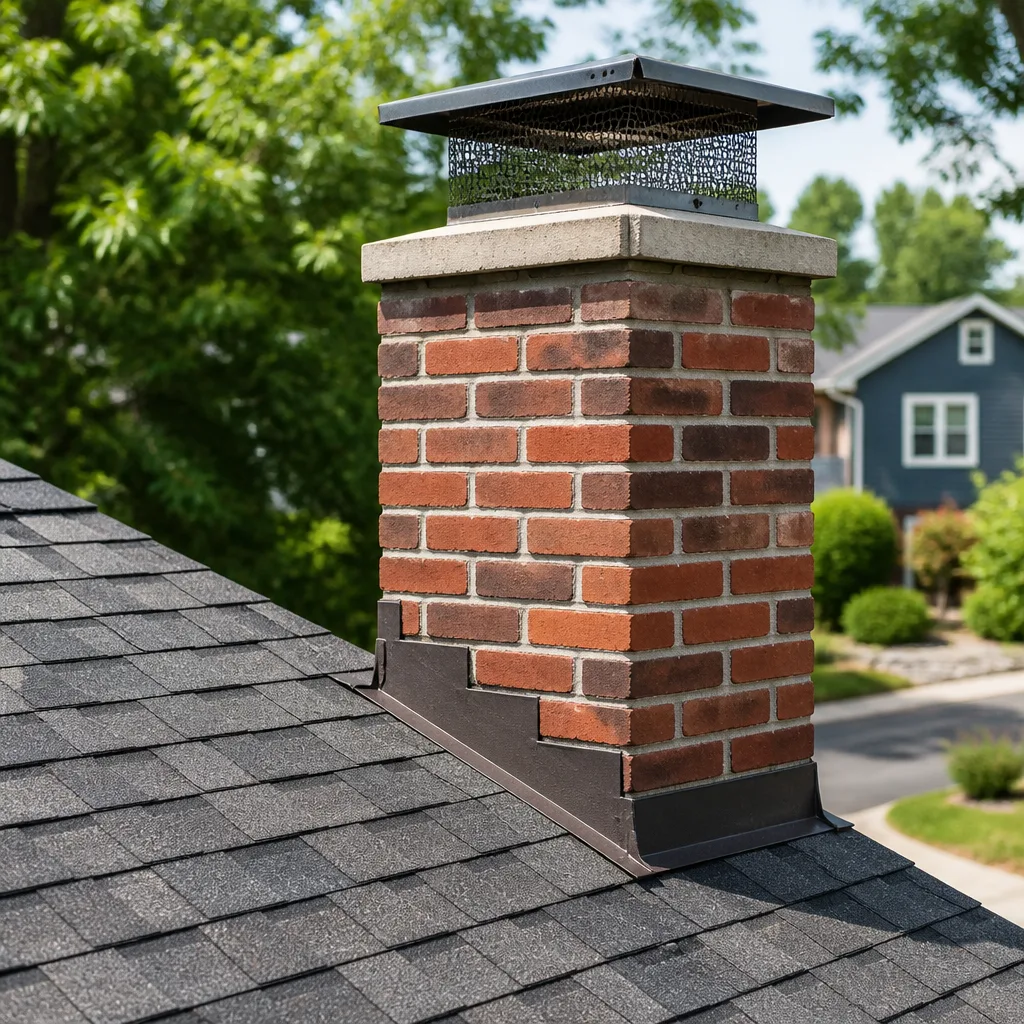 Sweep & inspection
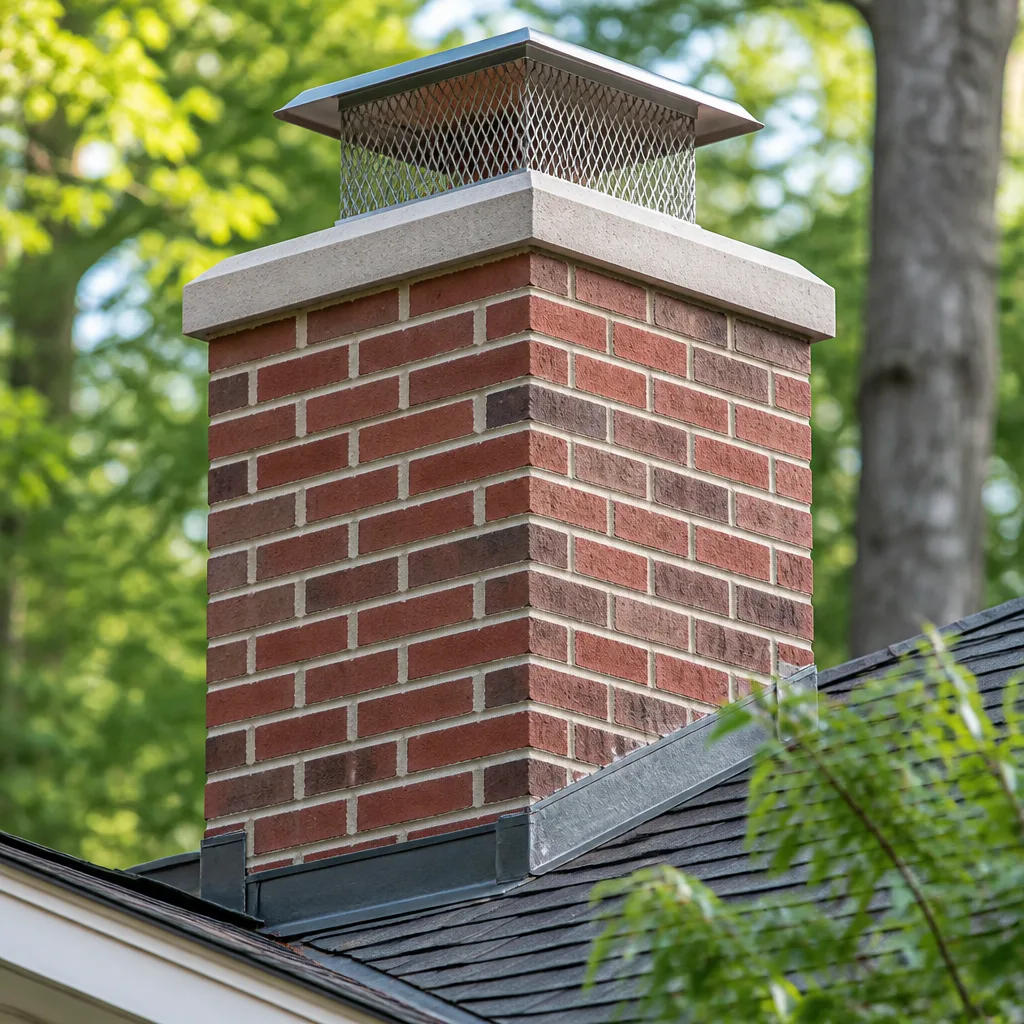 Caps & crowns
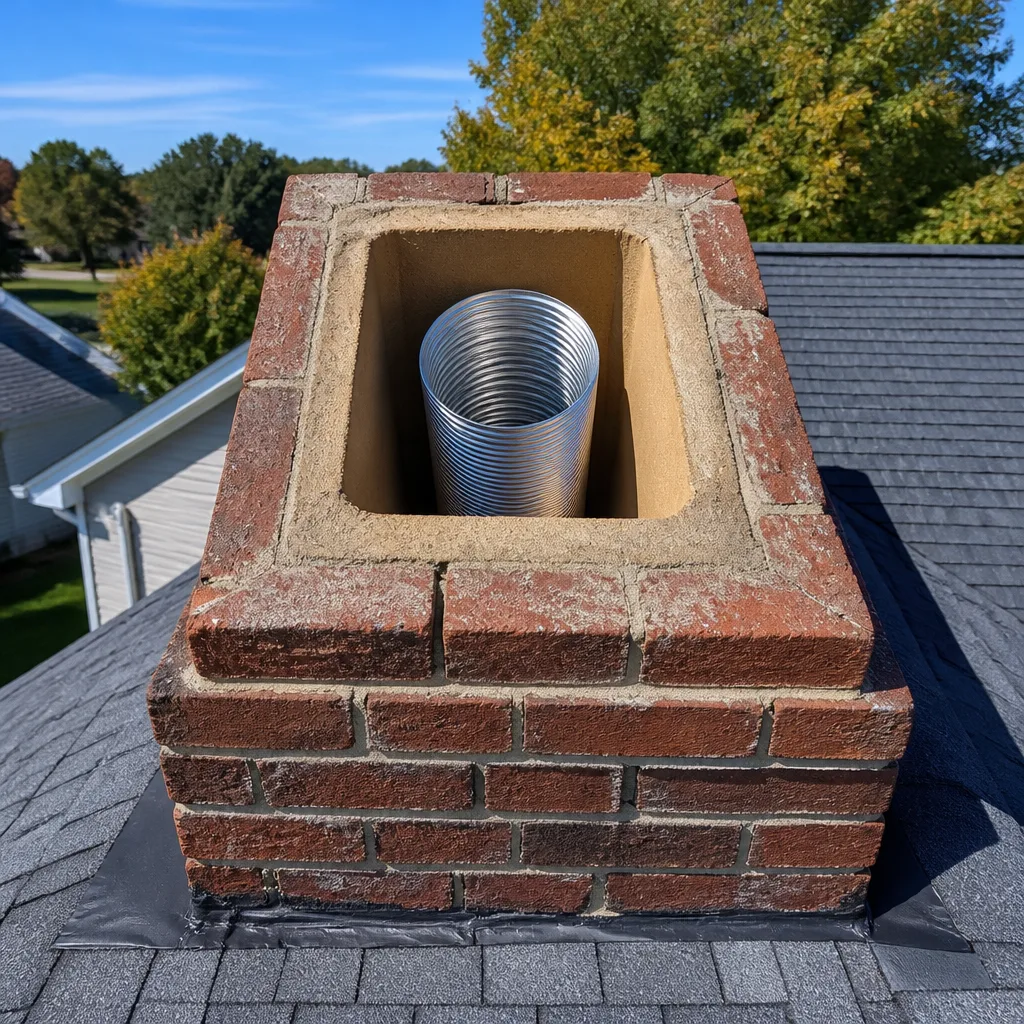 Flue relining
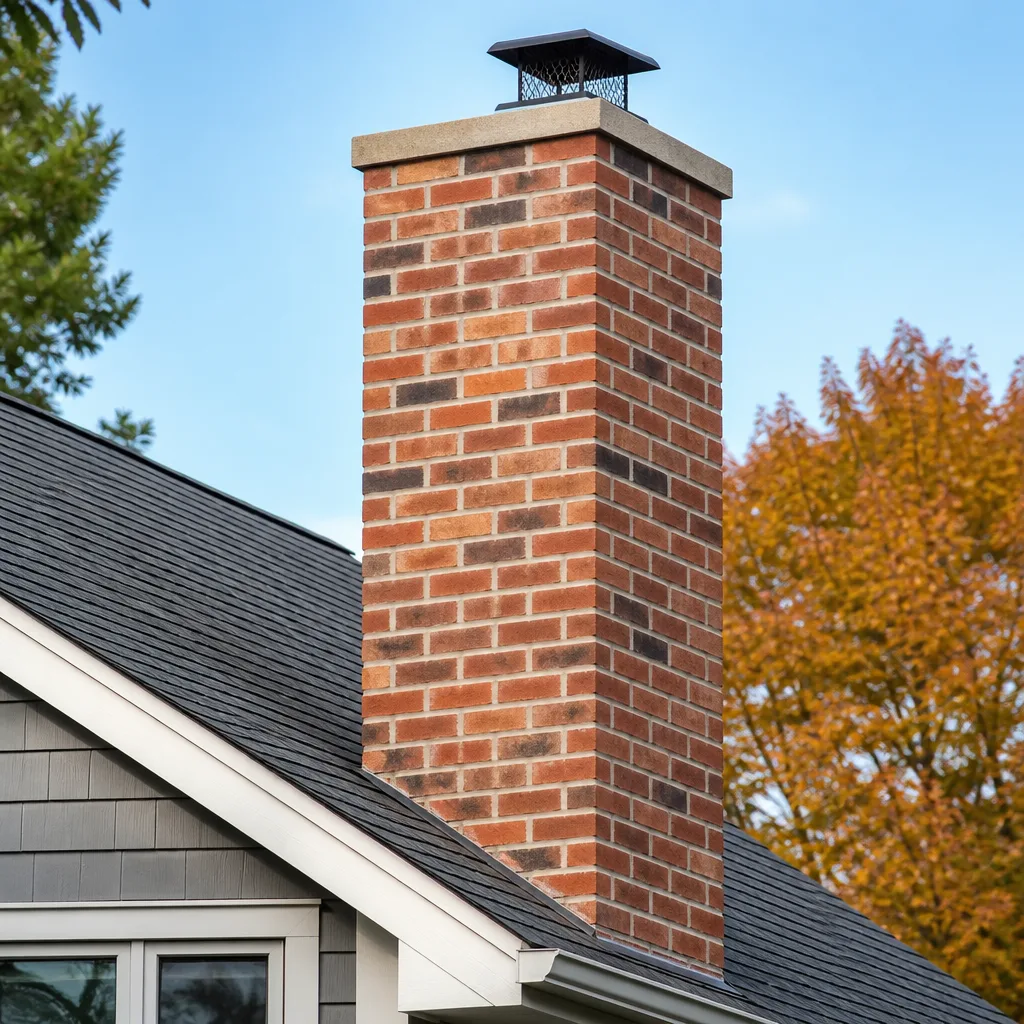 Masonry repair
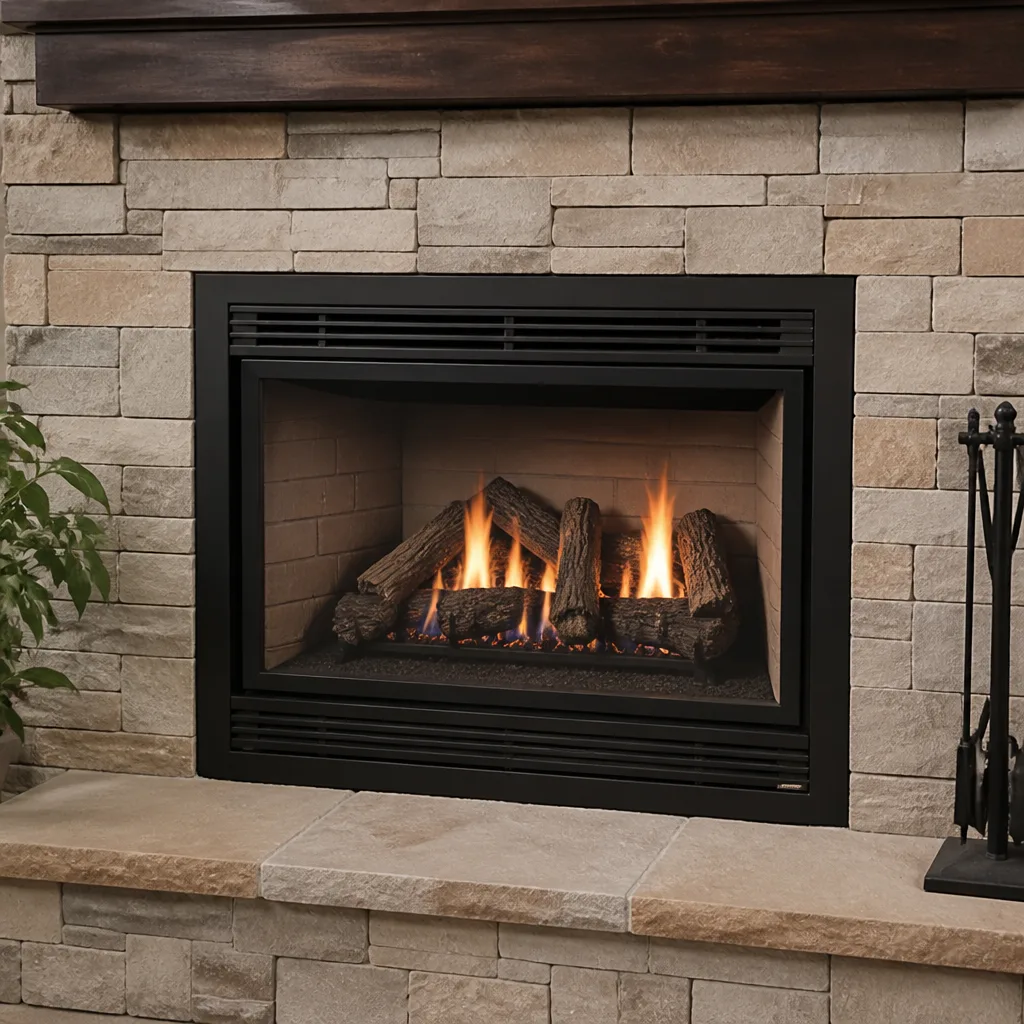 Gas fireplace service
Level 1 sweep and inspection to the NFPA 211 annual standard - flue, crown, cap, and flashing checked and photographed
Chimney sweep logs do not sweep chimneys. They loosen some creosote - which then falls where a brush and vacuum still have to collect it.
Chimney Cleaning Permits, Codes & Inspections in Los Feliz, CA: What You Need to Know
Most homeowners in Los Feliz assume a chimney cleaning requires no permit, and for the sweeping itself, that’s true. The complication arrives when the technician finds what sweeping frequently uncovers in this neighborhood’s older homes: a deteriorated flue, a cracked firebox, or a liner that no longer meets code. At that point, California and City of Los Angeles building codes stop treating the work as maintenance and start treating it as structural repair, which means permits, inspections, and paperwork. This guide walks through exactly where that line sits, what the City of Los Angeles requires, and how to protect yourself when relining or repair becomes necessary. If you own a fireplace in Los Feliz, the information here will save you from unpermitted work that can surface years later during a sale or an insurance claim.
Quick Answer
Routine chimney sweeping and dryer vent cleaning in Los Feliz do not require a permit under the California Residential Code or the Los Angeles Department of Building and Safety (LADBS). However, chimney relining, firebox rebuilds, and structural masonry repair generally do require an LADBS permit, and a Level 2 inspection is the standard that documents the system’s condition before and after any change. Homeowners should assume any repair beyond surface cleaning triggers code compliance obligations and should work with a contractor who will not sidestep that step.
Styles & brands we work with
- Sweep & inspection
- Caps & crowns
- Flue relining
- Masonry repair
- Gas fireplace service
Table of Contents
- Maintenance vs. Repair: Where the Permit Line Actually Falls
- What NFPA 211 Is and Why Insurance Carriers Care About It
- The LADBS Permit Process for Chimney Relining and Firebox Repair
- Level 2 Inspections: The Paper Trail That Protects You
- Grandfather Status in Los Feliz: When It Applies and When It Vanishes
- Why Los Feliz Housing Stock Makes This Conversation Unavoidable
- Unpermitted Work and Insurance Claims: What Actually Happens
- Common Mistakes to Avoid
Maintenance vs. Repair: Where the Permit Line Actually Falls
The California Residential Code (CRC) draws a practical distinction between maintaining a fireplace system and altering it. Cleaning is maintenance. So is replacing a worn damper plate, swapping a rain cap, or brushing accumulated creosote from the flue. None of that changes the structural or fire-resistance characteristics of the system, and none of it requires LADBS involvement.
The situation changes when work alters the flue’s material, dimensions, or ability to contain heat. Installing a new liner, resurfacing a flue with a product like HeatShield, rebuilding a firebox, or repointing significant portions of the chimney structure all count as repair work under the code. In the City of Los Angeles, those projects require a building permit from LADBS, and the inspector will want to verify that the materials and methods match the current code, not the code from whenever the chimney was first built.
Here is the practical breakdown:
- No permit needed: chimney sweeping, creosote removal, dryer vent cleaning, cap replacement, minor damper repair, camera inspection.
- Permit required: flue relining, HeatShield resurfacing, firebox rebuild, smoke chamber repair, significant masonry reconstruction, structural repairs to the chimney chase or crown.
- Gray zone: partial crown repair, flashing replacement around the chimney base, and minor mortar repointing. LADBS may or may not require a permit depending on scope. We recommend asking LADBS directly or having your contractor confirm in writing before work begins.
The reason this matters in Los Feliz specifically is the age of the housing stock. A significant share of homes here were built before modern liner standards existed, which means a routine chimney sweep is more likely to uncover a condition that needs repair rather than just cleaning. When that happens, the permit question is not theoretical.
What NFPA 211 Is and Why Insurance Carriers Care About It
NFPA 211 is the National Fire Protection Association standard for chimneys, fireplaces, vents, and solid fuel burning appliances. It is not a law itself, but it functions as the technical reference that many local codes adopt, including provisions within the California Residential Code. More importantly for Los Feliz homeowners, insurance carriers use NFPA 211 as a benchmark when evaluating claims involving chimney fires or related damage.
The standard defines inspection levels. A Level 1 inspection is what happens during a routine sweep: the technician checks the readily accessible portions of the system. A Level 2 inspection is required when the system changes, when the property is sold, or after an event like a chimney fire or seismic movement. A Level 3 inspection involves opening concealed areas and is only triggered by suspected hidden damage.
- Level 1: Annual maintenance inspection during routine cleaning. No permit implications.
- Level 2: Required after any system change, before a home transfer, or after a fire. This is the inspection that creates the documentation trail.
- Level 3: Invasive inspection when Level 2 findings suggest serious structural compromise. This almost always leads to permitted repair work.
When an insurance carrier reviews a chimney fire claim, one of the first questions is whether the system was maintained to NFPA 211 standards and whether any modifications were performed with proper permits. A homeowner who had a liner installed without an LADBS permit has no documentation to show, and the carrier may deny the claim on the grounds that unpermitted work altered the system in ways the policy did not contemplate. The cleaning itself is never the issue. The unpermitted structural work is.
The LADBS Permit Process for Chimney Relining and Firebox Repair
When a chimney repair in Los Feliz crosses into permit territory, the project moves through the Los Angeles Department of Building and Safety. The process is straightforward but takes time, which is why homeowners who wait until the middle of burning season often find themselves frustrated by the calendar.
A typical permitted chimney repair follows this sequence:
- Contractor prepares plans or specifications: For most residential relining and firebox work, this is a description of the proposed materials and methods, not a full architectural drawing set. The key is specifying code-compliant components.
- Permit application submitted to LADBS: The contractor or homeowner files with LADBS, either online or at the district office serving Los Feliz. Plan review is usually required for structural work.
- Plan review and permit issuance: LADBS reviews the submittal against the current California codes. Once approved, the permit is issued and work can begin.
- Work performed: The liner is installed, the firebox is rebuilt, or the flue is resurfaced. For liner work, the product matters. DuraFlex flexible liner systems and HeatShield resurfacing are both recognized approaches that meet code when installed correctly.
- Inspection requested: The contractor calls for inspection at the appropriate stage. LADBS wants to see the work before it is concealed.
- Final sign-off: The inspector approves the work, and the permit record becomes part of the property file at LADBS.
Fees vary by project scope and are set by LADBS, not by the contractor. We tell homeowners in Los Feliz to expect the permit cost as a separate line item on any repair estimate, and to confirm that the contractor is the one pulling the permit, not leaving it to the homeowner. A contractor who suggests skipping the permit for liner work is not doing you a favor. They are shifting risk onto you.
Level 2 Inspections: The Paper Trail That Protects You
A Level 2 inspection is the closest thing a chimney has to a title report. It documents the system’s condition at a specific moment and is required by NFPA 211 after any change to the system, which includes relining, resurfacing, and firebox work. We recommend a Level 2 inspection before listing a Los Feliz home for sale, immediately after purchasing one, and any time a repair is completed.
The report documents what was found, what was addressed, and what remains. That third part matters. A Level 2 inspection that says “flue liner replaced, smoke chamber parged, crown sealed, no remaining deficiencies” is a powerful document during escrow. It answers the buyer’s questions and protects the seller from post-close disputes.
What a Level 2 inspection report should include:
- Flue liner material and condition, with photos from the camera inspection.
- Firebox and smoke chamber condition.
- Clearances to combustibles, as applicable to the construction era.
- Cap and crown condition.
- Any evidence of moisture intrusion or creosote accumulation.
- A written summary of deficiencies and recommended actions.
We perform camera inspections as part of our service in Chimney Sweep Los Feliz work, and we provide the photos with the report. Homeowners who have never seen the inside of their flue are often surprised by what the camera shows, and the report gives them something concrete to evaluate rather than a verbal recommendation. If a contractor recommends five thousand dollars of liner work, the photos should show exactly why.
Grandfather Status in Los Feliz: When It Applies and When It Vanishes
Many Los Feliz fireplaces were built before current liner requirements existed, and they operate under what is commonly called grandfather status. The principle is simple: if the system was legal when built and has not been altered, the homeowner is not required to retrofit it to current code. An unlined or clay-tile-lined chimney that predates modern standards can continue operating as-is, provided it remains in safe condition.
Grandfather status is not permanent protection. It disappears when the system is altered. Installing a new wood stove insert, changing the fuel type, rebuilding the firebox, or relining the flue all trigger current code compliance for the portions being worked on. In practice, this means a homeowner who needs firebox repair on a 1920s fireplace may find that the entire system must be brought up to current standards, not just the firebox.
This is the point where many Los Feliz homeowners feel blindsided. A small crack in the firebox becomes a full relining project because the renovation work voids grandfather status and LADBS applies current code to the whole system. We explain this upfront when we find it, because the alternative, quietly repairing the firebox without a permit, leaves the homeowner with an unpermitted modification and no paper trail if something goes wrong later.
Why Los Feliz Housing Stock Makes This Conversation Unavoidable
Los Feliz has one of the oldest housing stocks in Los Angeles. The neighborhood’s core was built out between the 1910s and the 1940s, and many of those homes still have their original masonry chimneys. That is not a defect, it is just a fact, and it means the conversation about permits and codes comes up more often here than in newer parts of the city.
Older masonry chimneys were often built with clay tile liners, or in some cases, without a liner at all. Over decades of use, clay tiles crack, mortar joints erode, and the flue’s ability to contain heat degrades. A sweep will remove the creosote, but no amount of brushing restores a cracked clay liner. That is where relining enters the picture, and where the permit conversation begins.
The local climate also factors in. Los Feliz winters are mild by national standards, which means fireplaces here tend to be used sporadically, often for a few hours on cool evenings rather than as a primary heat source. That sporadic use can lull homeowners into extending the time between inspections, but it does not reduce the structural aging of the flue. A chimney that sees forty fires a year needs the same level of inspection as one that sees four hundred, because the deterioration is driven by time and material fatigue as much as by usage volume.
For homeowners in Los Feliz who also have a clothes dryer running regularly, the same logic applies to dryer vent cleaning. Lint accumulation is a fire hazard regardless of how often the dryer is used, and the vent’s condition deteriorates over time. We bundle chimney and dryer vent work for homeowners who want both fire hazards addressed in one visit, and neither service requires a permit when it is routine maintenance.
Unpermitted Work and Insurance Claims: What Actually Happens
The opening point of this guide bears repeating because it is the most consequential fact for homeowners to understand. Relining a deteriorated flue in Los Angeles without a permit is not just a code violation. It is a condition that can void a homeowner’s insurance policy if a chimney fire occurs and the carrier discovers unpermitted structural work.
Insurance carriers are not obligated to cover damage that results from unpermitted modifications, and they routinely investigate after a fire. The claims adjuster will pull the permit history for the property. If the liner was replaced but no LADBS permit exists, the adjuster has grounds to deny the claim or to reduce the payout by the cost of the unpermitted work and related damages.
This is not a hypothetical for older neighborhoods. A chimney fire in a 1920s Los Feliz home can involve the flue, the attic, and the roof structure. The cost of a permitted relining project, even with LADBS fees and inspection time, is a fraction of what an unpermitted installation can cost if a fire draws attention to it afterward. We take the position that the permit is part of the job, not an optional add-on, and we recommend homeowners be suspicious of any contractor who suggests otherwise.
How We Handle Permitted Repair Work
When a sweep or inspection uncovers a condition that requires permitted repair, the next steps matter. We describe the work in plain terms, show the camera evidence, and explain the permit path before any work is scheduled. Homeowners should never feel pressured into an immediate decision, and they should have the written inspection report to review.
The materials we use are selected from professional trade suppliers: DuraFlex for flexible liner systems, HeatShield for flue resurfacing when full relining is not necessary, and Famco for venting components. These are the same brands professional chimney contractors rely on nationwide, and having them on the shelf means the repair can often proceed in the same appointment as the diagnosis rather than days later after parts are ordered.
A typical repair sequence in a Los Feliz home looks like this:
- Sweep and Level 1 inspection: We clean the system and assess its condition.
- Camera inspection: If visual inspection suggests damage, we run the camera for documentation.
- Findings review: We walk through the photos with the homeowner and explain what needs attention and what can wait.
- Permit path confirmed: For repair work, we confirm the LADBS permit requirement and the timeline.
- Repair completed: The liner, firebox, or resurfacing work is performed with code-compliant materials.
- Inspection and documentation: LADBS inspects, and the homeowner receives the permit record and post-repair report.
Not every repair is urgent. If a Level 2 inspection shows minor mortar deterioration that can be monitored, we say so, and we document it. The goal is not to sell work. The goal is to give the homeowner an accurate picture of their chimney’s condition and let them decide with full information.
Common Mistakes to Avoid
- Skipping the permit for liner work. This is the most consequential mistake we see in Los Feliz. Unpermitted liner installation can void insurance coverage if a fire occurs, and it surfaces during home sales when buyers request permit history. The short-term savings are not worth the long-term exposure.
- Assuming a sweep includes a full inspection. A routine cleaning removes creosote but does not automatically include a Level 2 inspection. Homeowners in older Los Feliz homes should request a camera inspection so the flue’s condition is actually documented.
- Treating grandfather status as permanent. The moment any structural repair touches the system, current code applies to the whole chimney. Homeowners who learn this after a firebox repair has already been completed without a permit are in a difficult position.
- Choosing a contractor based on price alone. A low bid for relining often means the permit was left out of the scope of work. Ask each contractor to confirm in writing whether the work will be permitted and who pulls the permit.
- Ignoring dryer vent maintenance. The chimney is not the only fire hazard in the house. Dryer lint accumulation is a leading cause of residential fires, and the vent should be cleaned on the same schedule as the chimney.
- Waiting until burning season to address known issues. Los Feliz winters are mild, but fireplace use still peaks in the cooler months. If an inspection in the spring shows a cracked liner, addressing it before the next burning season avoids the scheduling crunch and the permit review timeline working against you.
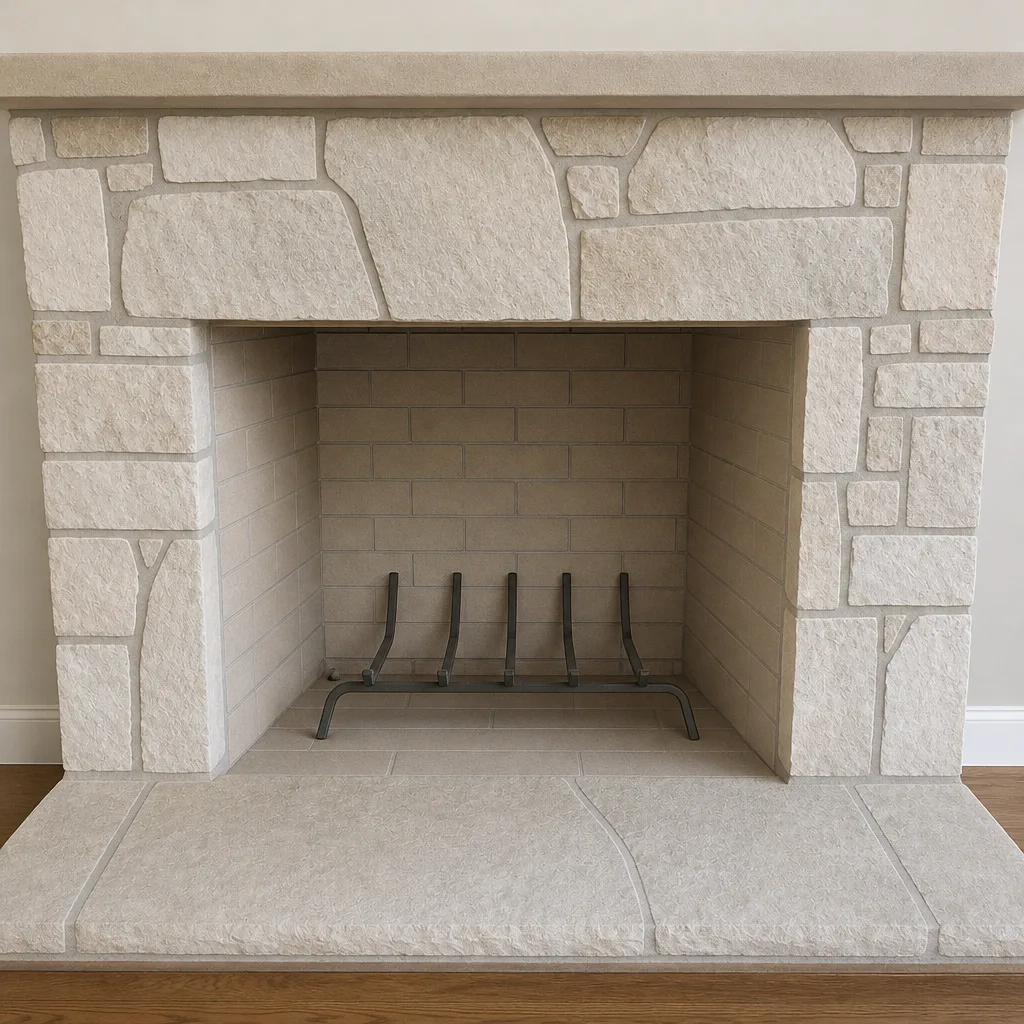
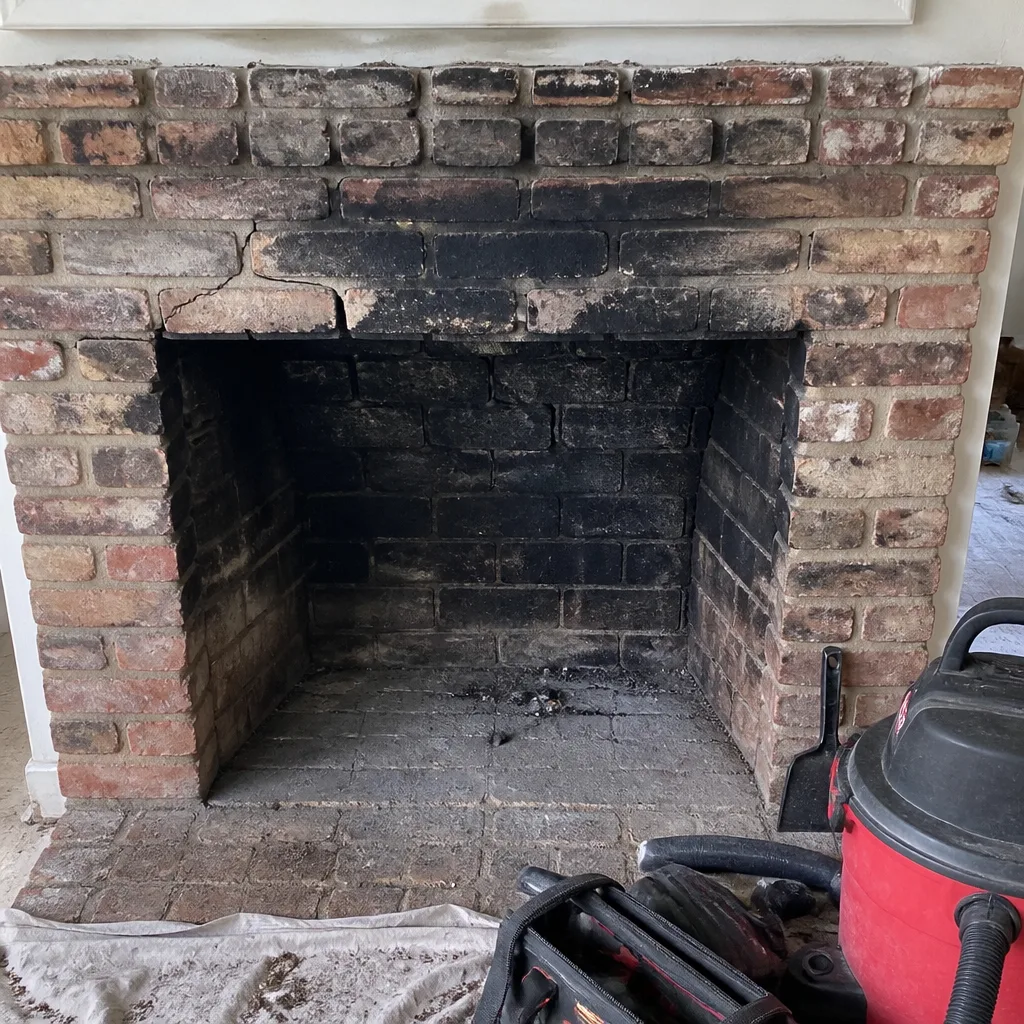
See the difference
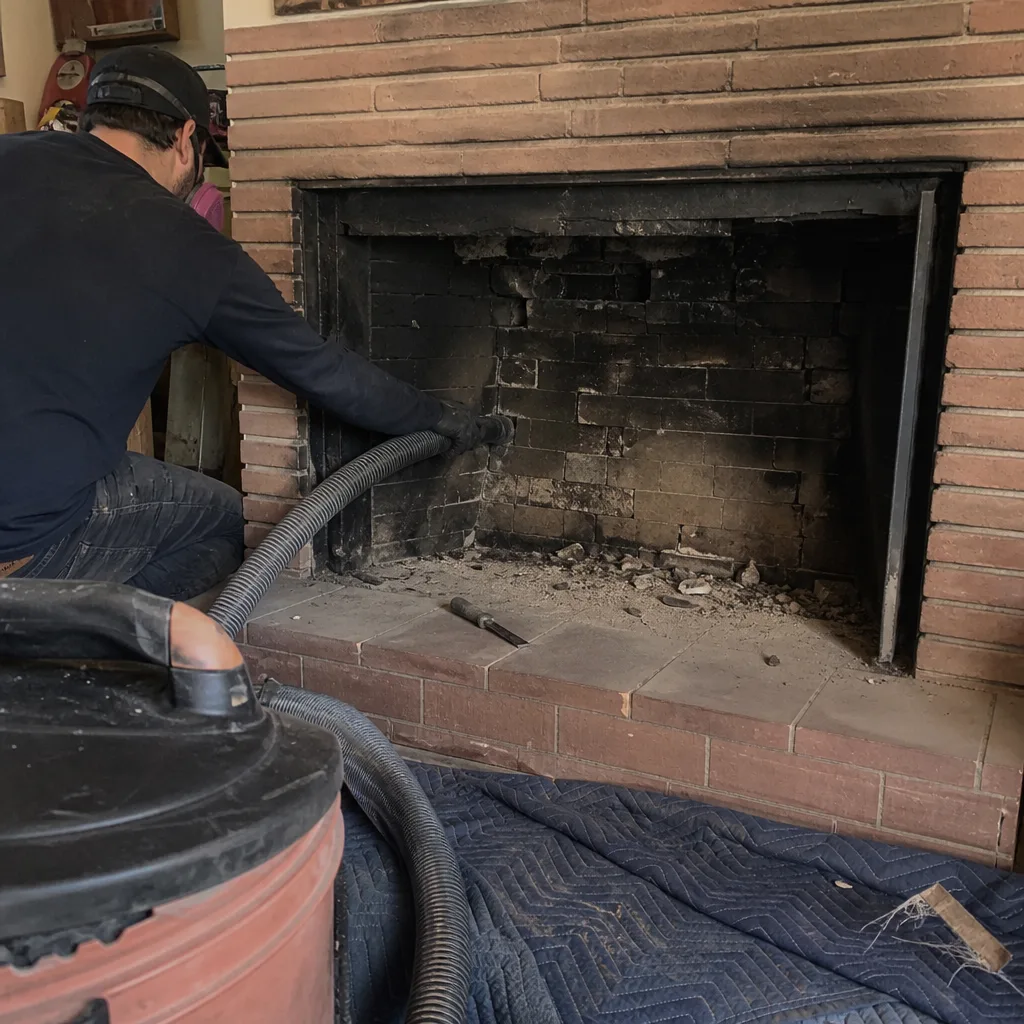 Before
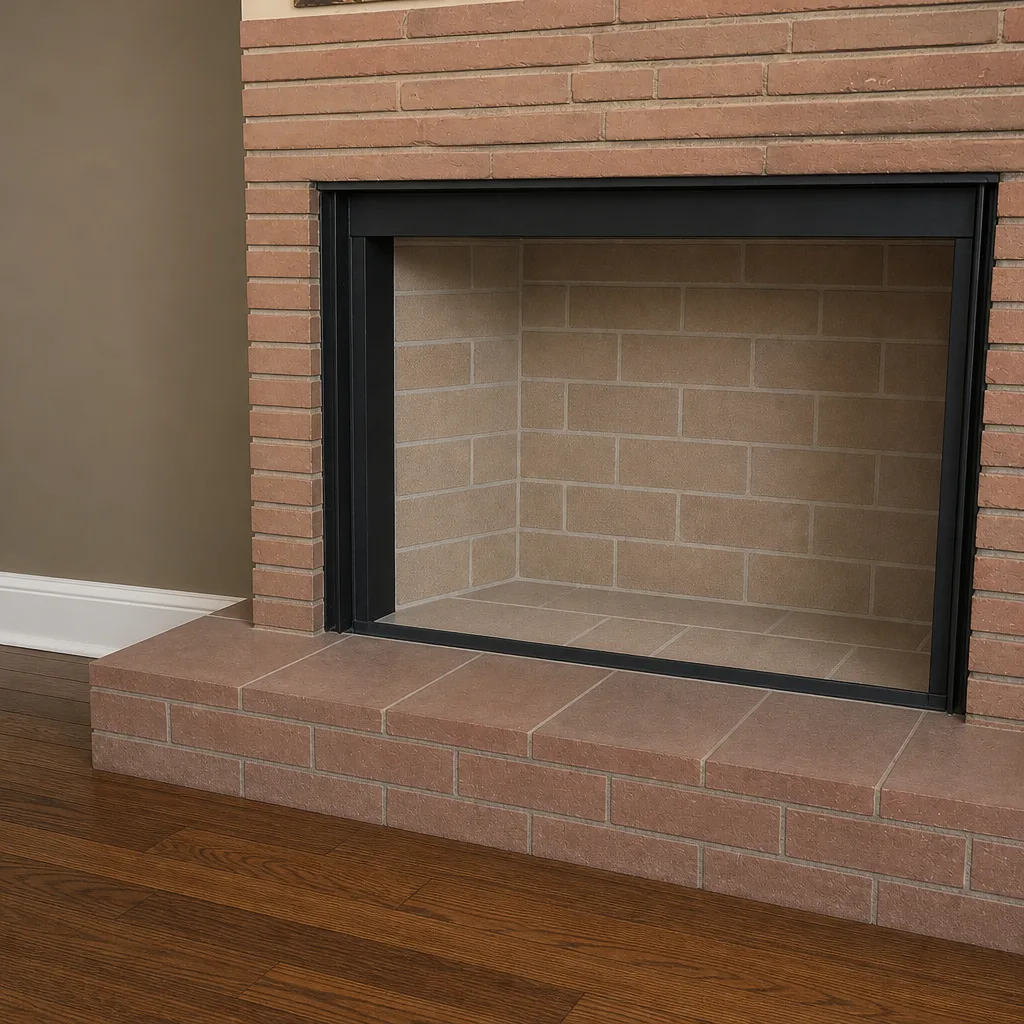 After
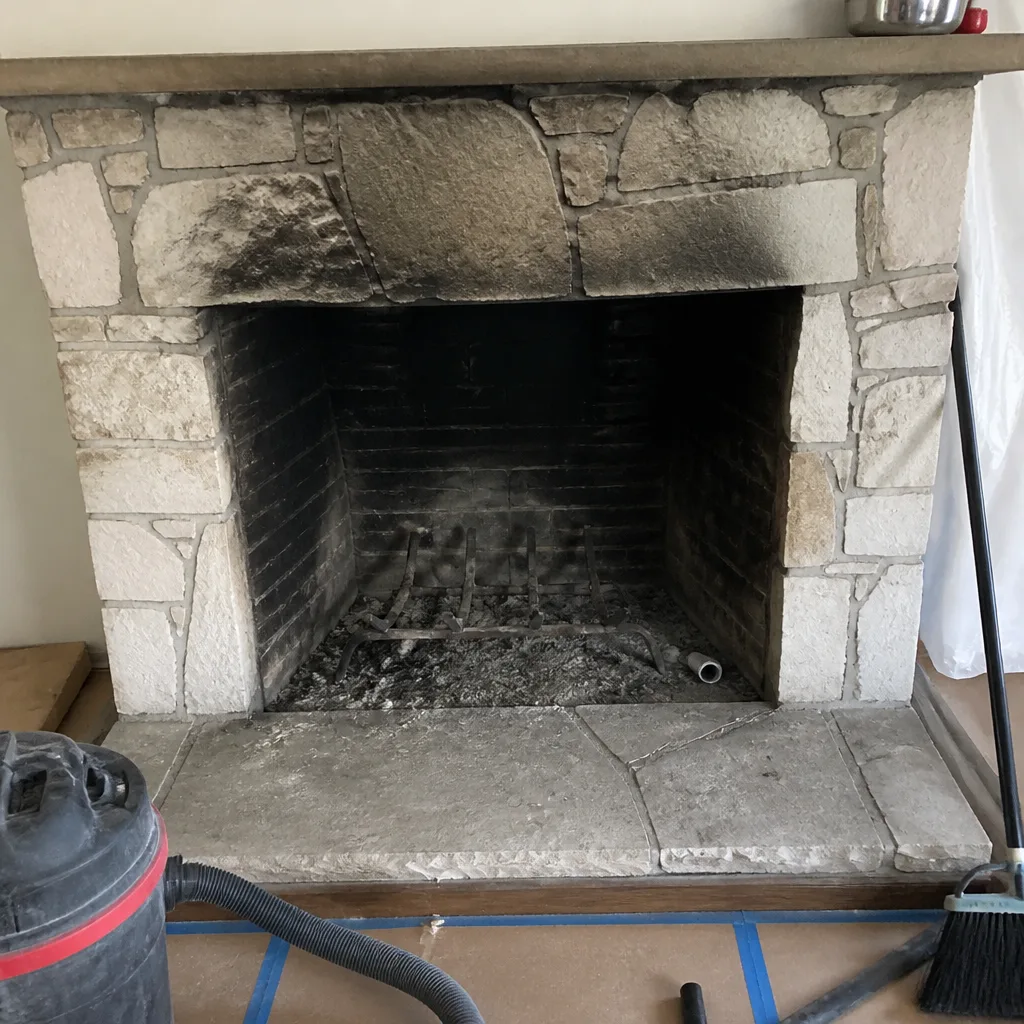 Before
 After
 Before
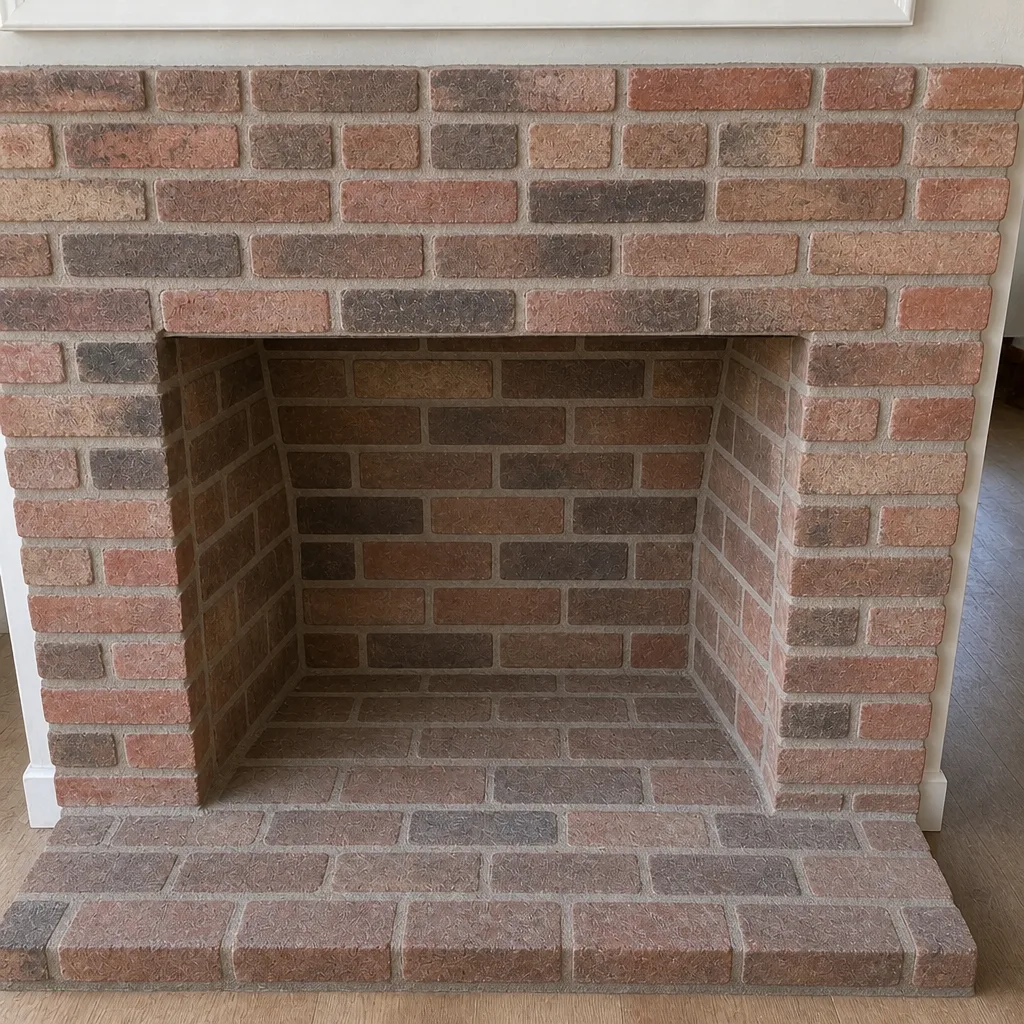 After
When to Call a Professional
Call a chimney professional when you have not had the system inspected in over a year and you use the fireplace regularly. Call when you see visible cracks in the firebox, when you smell smoke even with the damper open, when you notice moisture staining around the chimney chase, or when a home inspection report flags the fireplace. Call after any seismic event significant enough to shift the house, because chimney structures are vulnerable to movement. And call when you are preparing to sell or buy a Los Feliz home, because a Level 2 inspection is the document that prevents disputes. Chimney Sweep Los Feliz offers free estimates in Los Feliz. Call (833) 467-6692. We answer 24/7. Fast dispatch from 7am to 7pm, Sunday through Friday.
Frequently Asked Questions
No. Routine chimney sweeping, creosote removal, and camera inspections are maintenance activities that do not require a permit from the Los Angeles Department of Building and Safety. A permit becomes necessary only when the work involves structural repair, relining, firebox rebuilds, or other modifications that change the system’s fire-resistance characteristics. Call (833) 467-6692 to schedule a sweep and inspection, and we will tell you plainly if any permit-triggering work is recommended.
Chimney cleaning costs in Los Feliz vary based on the system’s size, accessibility, and condition, and the final price is set per job by written estimate. Expect the estimate to include the sweep, a Level 1 inspection, and any additional camera work if the visual inspection suggests a problem. Call (833) 467-6692 for a free estimate specific to your home.
Relining a flue, rebuilding a firebox, making structural masonry repairs, or resurfacing a flue with a product like HeatShield all trigger LADBS permit requirements. Replacing a cap, cleaning the flue, or adjusting a damper does not. When in doubt, ask LADBS directly or confirm with your contractor in writing before work begins.
The National Fire Protection Association recommends a chimney be inspected at least once a year and swept when creosote accumulation reaches 1/8 inch. In Los Feliz, where winters are mild and fireplace use is often seasonal, annual inspection is still the right cadence because flue deterioration is driven by time and material aging, not just usage volume.
If a chimney fire occurs and the insurance carrier discovers unpermitted structural work, the claim can be denied. If you sell the home, a buyer can request permit history and flag the unpermitted liner as a disclosure issue. The permit process adds time and cost, but it protects you in both scenarios.
No. Dryer vent cleaning is routine maintenance and does not require a permit. It is also one of the highest-impact fire hazard reductions a homeowner can do. We recommend scheduling chimney and dryer vent service together since both address the leading household fire risks in one visit. Call (833) 467-6692 to book both.
The Bottom Line
Chimney cleaning in Los Feliz is permit-free, but the repair work that follows a thorough inspection often is not. The line between maintenance and structural repair is where the California Residential Code and LADBS requirements come into force, and ignoring that line leaves homeowners with unpermitted work that can complicate insurance claims and home sales. A Level 2 inspection creates the paper trail that protects you, and grandfather status disappears the moment the system is altered. The practical takeaway: sweep annually, document everything, and never let a contractor talk you out of a permit when the work requires one.
Written by the team at Chimney Sweep Los Feliz, serving Los Feliz since 2011.