
Last updated November 5, 2026
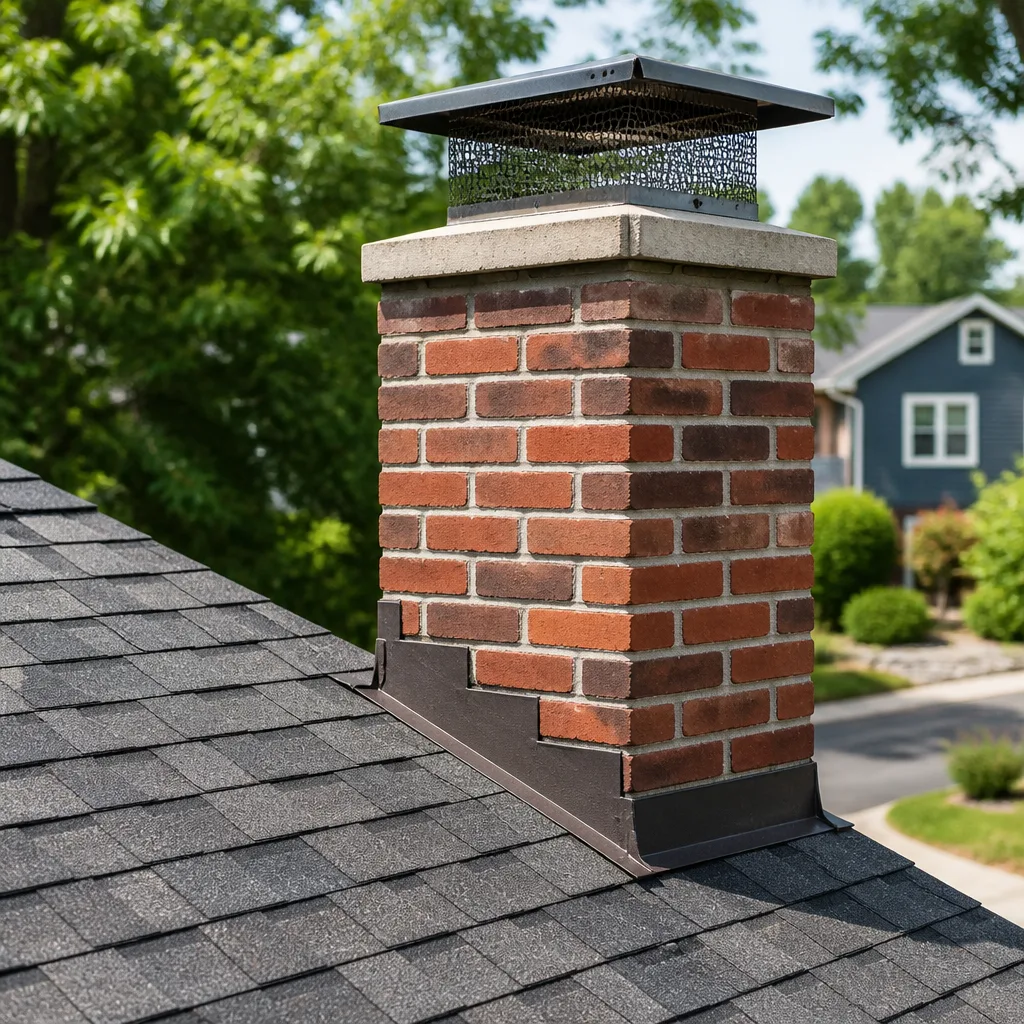 Sweep & inspection
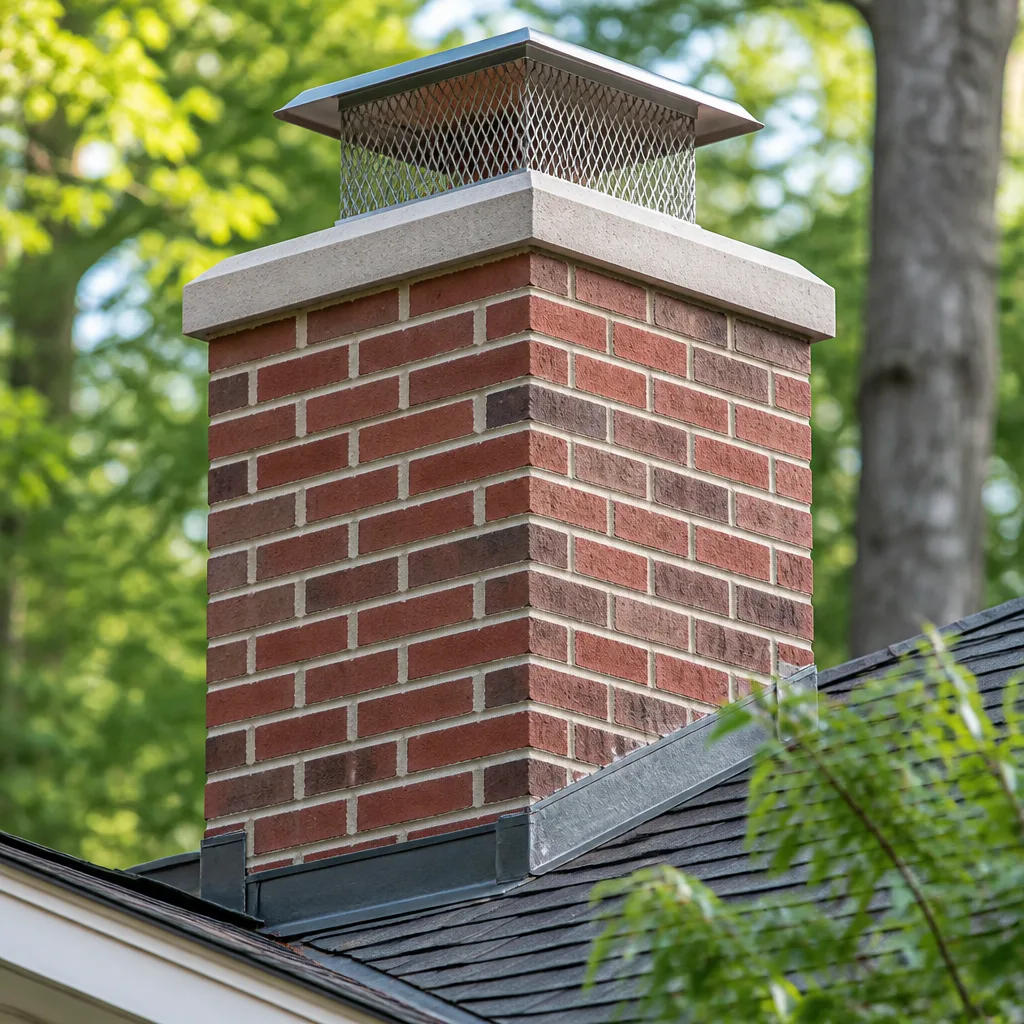 Caps & crowns
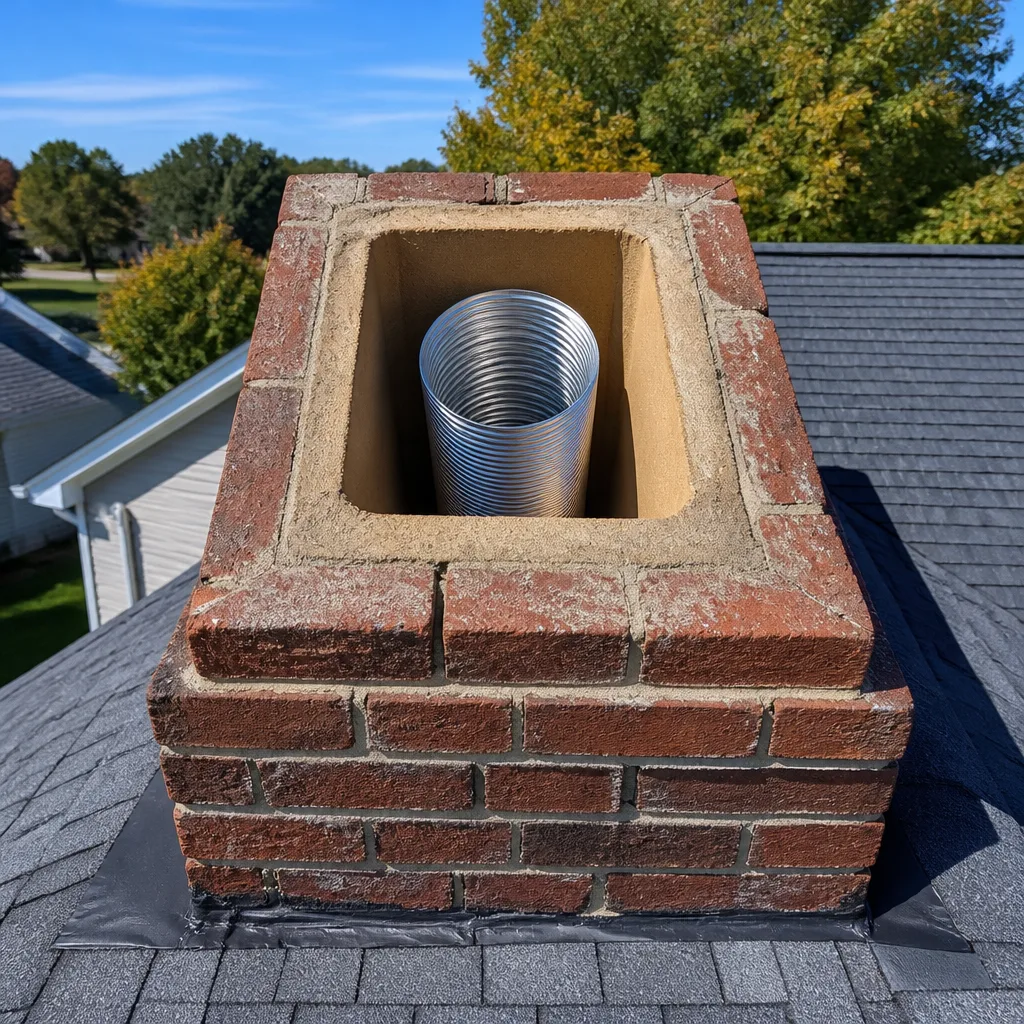 Flue relining
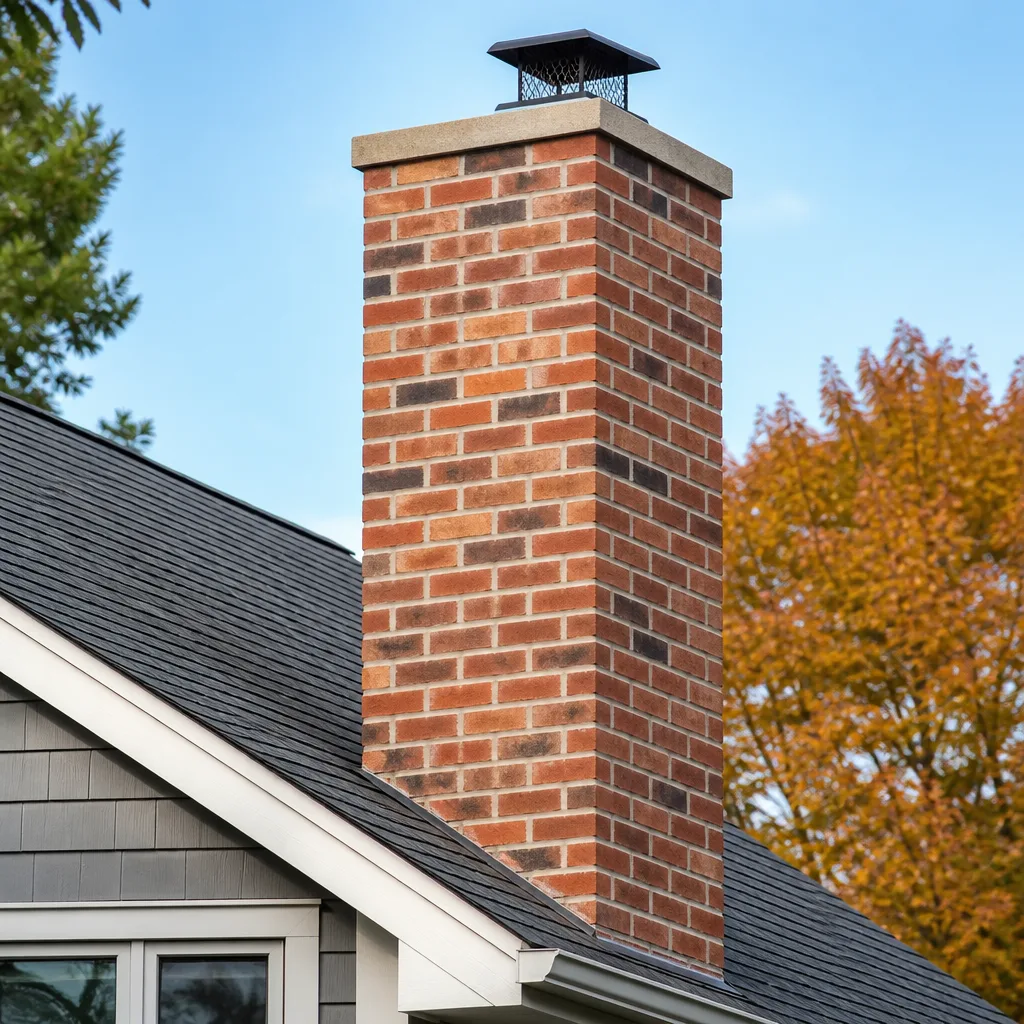 Masonry repair
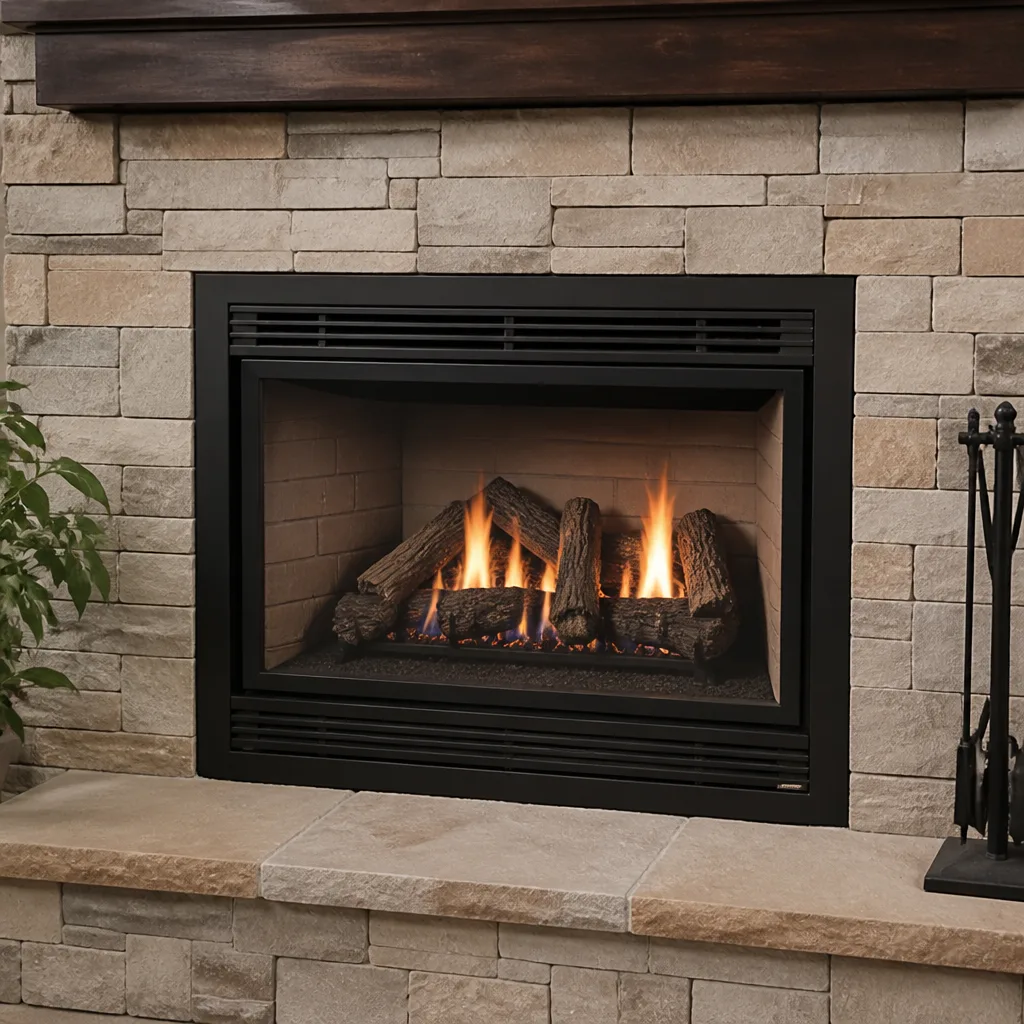 Gas fireplace service
Level 1 sweep and inspection to the NFPA 211 annual standard - flue, crown, cap, and flashing checked and photographed
Chimney sweep logs do not sweep chimneys. They loosen some creosote - which then falls where a brush and vacuum still have to collect it.
How to Hire a Chimney Cleaning Contractor in Los Feliz: A Step-by-Step Guide
Most homeowners assume a chimney sweep is a chimney sweep. That assumption is how people end up paying twice: once for a cleaning that skims the surface, then again for the repair the first crew missed. Los Feliz has no shortage of handyman services that list “chimney sweep” between gutter cleaning and pressure washing on a flyer. Those are not chimney contractors. This guide gives you a concrete vetting framework so you can tell the difference before someone puts a brush up your flue. You’ll learn which credentials actually matter, what equipment a properly outfitted service vehicle should carry, how to read a written estimate line by line, and the red flags specific to this market. We’ve been doing Chimney Sweep Los Feliz work since 2011, and we’ve seen what happens when homeowners don’t know what to ask.
Styles & brands we work with
- Sweep & inspection
- Caps & crowns
- Flue relining
- Masonry repair
- Gas fireplace service
Quick Answer
To hire a chimney cleaning contractor in Los Feliz, verify the company carries CSIA or NFI certification, confirm they perform camera inspections during every sweep, insist on a written estimate that separates cleaning from repair line items, and ask whether they can repair what they find in the same visit. A legitimate contractor will show you proof of training, show up with professional equipment, and explain their findings with photo evidence before recommending any additional work.
Table of Contents
- What Credentials Actually Matter for Chimney Work
- The Equipment Question: What a Properly Outfitted Service Carries
- How to Read a Written Estimate Line by Line
- Seven Questions to Ask Before Booking
- Red Flags Specific to the Los Feliz Market
- Why Same-Visit Repair Capability Matters
- Step-by-Step Hiring Framework
- Common Mistakes to Avoid
- When to Call a Professional
- Frequently Asked Questions
What Credentials Actually Matter for Chimney Work
CSIA certification is the floor, not the ceiling. A certified sweep who only owns rotary brushes and no camera inspection equipment is still going to miss the cracked liner or failed smoke chamber parging that’s actually creating your draft problem. In Los Feliz, where many homes date from the 1920s and 1930s and have masonry chimneys that have been through earthquakes, heat cycling, and decades of use, the inspection matters as much as the cleaning.
Here’s what each credential actually certifies:
- CSIA (Chimney Safety Institute of America): Certifies that the sweep passed an exam on chimney construction, inspection, and safety codes. It’s the baseline certification for chimney sweeps in the United States. You can verify a CSIA credential through the organization’s public database.
- NFI (National Fireplace Institute): Certifies knowledge of fireplace systems, venting, and installation standards. Three separate NFI certifications exist: one for wood-burning systems, one for gas, and one for pellet. Ask which one the technician holds.
- HeatShield-Certified Application: A manufacturer-specific certification that allows a technician to apply HeatShield flue resurfacing material. This matters if your chimney has a damaged liner that can be repaired rather than replaced. A contractor without this certification cannot legally apply the product.
General contractor licensing alone means nothing for chimney work. A general contractor license proves the holder passed a business and law exam, not a chimney inspection exam. Plenty of licensed general contractors in Los Angeles have never opened a copy of the NFPA 211 standard that governs chimney construction and maintenance.
What to ask for:
- Proof of CSIA certification for the technician who will perform the work, not just the company owner.
- The tech’s NFI certification number if they service fireplaces in addition to chimneys.
- Manufacturer certifications for any repair products they expect to use, like HeatShield or DuraFlex liner systems.
- Verification of insurance covering both the technician and your property during the work.
A contractor who hesitates on any of these questions is telling you something useful. The legitimate ones carry their certifications on the truck and will show them without being asked.
The Equipment Question: What a Properly Outfitted Service Carries
You can learn more from what a service vehicle carries than from what the sales representative says over the phone. A properly outfitted chimney service in Los Feliz should have equipment that goes well beyond a brush and a shop vac. Here’s what separates a professional operation from a handyman with a ladder.
Camera inspection equipment is non-negotiable for any sweep that claims to inspect. Without a camera, a technician cannot see the smoke chamber, the flue liner’s interior condition, or the area behind the damper. Those are precisely where hidden damage accumulates. We photograph every inspection and share the photos with the homeowner, because you should see what we see before you approve any repair. A crew that cannot show you the inside of your own chimney is asking you to take their word on blind faith.
Professional vacuum systems differ from shop vacs in filtration. Chimney soot is fine enough to pass through a standard shop vac filter and into your living room air. A proper HEPA-filtered chimney vacuum captures that particulate matter. Ask whether the crew runs a dedicated chimney vacuum or pulls out a generic wet-dry vac from the home center.
Brush sets matched to your flue type should include multiple sizes for masonry chimneys and specific tools for factory-built metal chimneys. The wrong brush on a metal liner can scratch and damage it. A service that shows up with one brush is either cleaning one type of chimney or skipping the details.
Mortar and repair materials on the truck indicate that the company can address minor crown cracks, missing mortar joints, and small parging failures during the same visit. We stock Copperfield chimney caps, Gelco and Famco venting components, and DuraFlex liner systems specifically so repairs don’t require a second appointment. A crew that only cleans will find problems and leave them behind for someone else to fix.
How to Read a Written Estimate Line by Line
A written estimate tells you more about a contractor than the cleanup job itself. Vague language signals upsell pressure later. Specific line items signal a technician who actually looked at your chimney before quoting. Here’s what to look for and what to reject.
Line items a legitimate estimate should include:
- The scope of cleaning: top-down brush sweep, firebox cleanup, smoke chamber brushing, and ash removal.
- Inspection findings: the current condition of the flue liner, damper, crown, and cap, with photos or at minimum written notes.
- Separate lines for any recommended repair, with the exact product named (for example, “HeatShield resurfacing” rather than “sealant application”).
- The type and grade of materials if a replacement part is specified.
- Labor and materials broken out separately, not bundled into a single mystery number.
Wording that signals trouble:
- “Full chimney repointing” with no explanation of which mortar joints need work and where they are.
- “Liner replacement recommended” without a camera inspection photo showing the damage.
- A flat $99 cleaning that jumps to $2,000 of “necessary repairs” after the tech has been on the roof for ten minutes.
- Any refusal to put recommendations in writing with supporting photos.
A legitimate scope of work includes enough detail that a second contractor could read it and know exactly what was found and what was proposed. In Los Feliz, where chimney repair work often requires matching mortar on historic facades or working around original architectural details, specificity matters even more.
Seven Questions to Ask Before Booking
Call two or three companies and ask the same questions. The answers will separate the specialists from the add-on services quickly.
- Who performs the work? A company with one CSIA-certified owner and a rotating cast of uncertified laborers is not the same as a company where the certified tech is the one on the roof.
- Do you run a camera during every sweep? If the answer is anything other than yes, keep dialing. A sweep without a camera is a brush on a stick.
- What does the service include beyond the brush? Ask specifically about smoke chamber cleaning, firebox cleanup, and damper inspection. Those areas affect how well your fireplace draws and how safely it burns.
- Can you repair what you find in the same visit? This question will save you hundreds of dollars in re-inspection fees and weeks of waiting between contractors. We show up with the parts: DuraFlex liners, HeatShield materials, Copperfield caps, Gelco and Famco components.
- Do you handle dryer vents? A company that also offers dryer vent cleaning can eliminate both leading household fire risks in one scheduled visit. Hiring two separate companies means two appointments, two minimum charges, and twice the coordination.
- What does your written estimate include? Push for line items. The answer reveals whether the company treats this as a real inspection or a quick upsell opportunity.
- Can I see the photos from the inspection? Any legitimate company will share them. We include a camera inspection and photo report with every sweep, because you should see what we’re looking at before you spend a dollar on repairs.
Red Flags Specific to the Los Feliz Market
Los Feliz has a particular set of contracting pressures that create specific scam patterns. Here’s what to watch for.
Door-to-door solicitation after windstorms. Every Santa Ana event brings out crews who walk neighborhoods offering discounted chimney work. The pitch usually involves spotting “damage” from the street. Legitimate chimney contractors in Los Feliz don’t canvas door to door. If someone knocks on your door offering a $79 special because they were “in the neighborhood,” close it.
Unusually low flat-rate offers. A $49 or $69 chimney sweep from a mailer or social media ad is a loss leader designed to get a salesperson onto your roof. The cleaning is real, but the follow-up repair quote often isn’t based on genuine findings. Professional-grade chimney sweep work in Los Feliz involves professional equipment, insurance, and labor costs that cannot be covered at that price without an upsell somewhere.
Repair quotes before inspection completion. Any contractor who quotes a liner replacement, repointing, or partial rebuild before the camera inspection is finished and the photos are reviewed is guessing. Or worse, they’re pricing based on what they think you’ll pay, not what your chimney needs. Never approve a repair quote delivered in the first thirty minutes of a visit.
Pressure to sign immediately. A legitimate inspection finding can wait a week for your decision. If a technician tells you the chimney is unsafe to use until you sign a repair order today, ask for the specific NFPA 211 reference and a detailed written explanation. Then call another company for a second opinion.
Crews without Los Feliz-specific experience. The hillside homes along Vermont Avenue and the historic Spanish Revival properties near Griffith Park have construction methods that differ from post-war stucco boxes in the Valley. A contractor who has never worked with tile-lined masonry chimneys from the 1920s may not recognize parging, corbeling, or the specific crown details common to this area. Ask whether the company has worked on homes in your part of Los Feliz and what they typically find in the chimneys here.
Why Same-Visit Repair Capability Matters
The cost and time penalty of hiring a sweep who then refers you to a separate mason for every finding is real and avoidable. Here’s how the two scenarios compare.
The referral loop: You hire a cleaning-only sweep. They find a cracked crown or a damaged liner. They hand you a business card for a masonry contractor they’ve “worked with before.” You call the mason, schedule a separate appointment, pay a separate diagnostic fee, and wait a week or two for the work to be scheduled. Meanwhile, your fireplace sits unused or you burn anyway with a known hazard present. In total, you’ve paid two minimum charges, coordinated two schedules, and explained the problem twice.
The specialist model: You hire a company that both cleans and repairs. During the sweep, the technician identifies the issue, photographs it, shows you the photos, and explains whether it’s urgent or can wait. If it’s urgent, the repair materials are on the truck. HeatShield resurfacing can often be applied in the same appointment. A DuraFlex liner can be measured, cut, and installed without waiting on parts. One call, one crew, one invoice.
This matters especially in Los Feliz because the building stock is older. Chimneys here have been through decades of use, the 1994 Northridge earthquake and every subsequent tremor, and the thermal cycling of thousands of fires. A cleaning-only sweep in an older home is likely to find something that needs attention. If that company can’t act on the finding, you’re paying for half a service.
Step-by-Step Hiring Framework
Here’s the full process, laid out in the order you should follow.
- Build a shortlist of three companies. Start with companies that list CSIA or NFI certification specifically, not a generic “licensed and insured” claim. Verify certification through the organization’s public directory.
- Call and ask the seven questions. Use the list above. Take notes. The company that answers clearly and without defensiveness is the one that does this every day.
- Request a written estimate for the initial service. A sweep and inspection should be quoted as a fixed price or a documented rate with specifics. Ask what the estimate includes: brush sweep, smoke chamber, firebox, camera inspection, photo report.
- Confirm the truck is equipped. When you book, ask what the technician will bring. You’re looking for a HEPA vacuum, camera equipment, and repair materials, not a single brush and a tarp.
- Be present during the service. You don’t need to watch over the technician’s shoulder, but you should be available to review the inspection photos and discuss findings. A good technician wants you to see what they saw.
- Review the photos before any repair approval. Nothing should be recommended without camera evidence you can see for yourself. Ask the technician to point to the specific problem in the photo and explain what the repaired area should look like.
- Approve repairs with a clear written scope. The repair estimate should name the product, the area being repaired, and the expected outcome. “HeatShield resurfacing of top 12 feet of flue” is specific. “Seal the liner” is not.
- Keep the inspection report. A good report becomes your baseline for future inspections. Next year’s technician should be able to compare against it and tell you what changed.
Common Mistakes to Avoid
- Hiring based solely on price. The lowest quote for chimney work in Los Feliz usually comes from a company that can’t afford proper equipment or insurance. A $59 sweep that needs a $200 follow-up from a real contractor costs more than a $250 sweep that was done right the first time.
- Skipping the camera inspection. A brush sweep without camera inspection is a half measure. You’re paying for cleaning but getting nothing on the condition of the liner, smoke chamber, or flue, which is where actual hazards live.
- Accepting verbal findings without photos. If a technician tells you the liner is cracked but can’t show you a photo, you’re being asked to spend money on trust. We show every homeowner the photo before any repair discussion begins.
- Waiting until October to call. Every Los Feliz chimney company gets slammed in the fall when the first cold snap hits. Booking a sweep in August or September means you get your preferred time and can address any repairs before burning season starts.
- Ignoring the dryer vent. The two leading household fire risks associated with venting are the chimney you burn wood in and the dryer vent you use weekly. A company that handles both dryer vent cleaning and chimney work lets you address both hazards in one scheduled visit.
- Guessing on gas systems. If you have a gas fireplace or gas logs, the venting and clearance requirements differ from a wood-burning setup. Hire someone with NFI gas certification specifically, not a general handyman.
When to Call a Professional
Any of these situations warrants a professional inspection or cleaning before your next fire:
- You’ve burned more than one cord of wood since the last cleaning, or it’s been more than a year since the last sweep.
- You notice smoke backing into the room instead of drawing up the flue.
- You see a black, tar-like substance (creosote) on the damper or firebox walls.
- You hear birds or animals in the chimney, or you see debris falling into the firebox.
- You smell a musty or smoky odor from the fireplace even when it’s not in use.
- Your dryer vent hasn’t been cleaned in more than a year, or clothes are taking longer to dry than they used to.
Chimney Sweep Los Feliz offers free estimates in Los Feliz. Call (833) 467-6692 for a written estimate with camera inspection and photo documentation included. We answer 24/7. Fast dispatch from 7am to 7pm, Sunday through Friday.
Frequently Asked Questions
A basic chimney sweep and inspection in Los Feliz typically falls in the $200 to $350 range for a standard masonry chimney with no known issues. The final price depends on the height of the flue, the type of chimney, the amount of creosote buildup, and whether any repairs are identified during the inspection. A written estimate sets the final price before any work begins, and the estimate is free. Call (833) 467-6692 for an exact quote based on your fireplace.
CSIA certification covers chimney sweeping, inspection, and safety standards, while NFI certification covers fireplace systems, venting, and installation requirements for wood, gas, or pellet appliances. A thorough chimney company should carry at least CSIA certification, and ideally NFI certification for any fireplace work. Ask for proof of both when you call, and verify the certification number through the respective organization’s public directory.
A camera inspection is the difference between a cleaning and a safety check. Without one, a technician cannot see the flue liner’s interior, the smoke chamber, or the area behind the damper, which are the exact places where cracks and damage hide. We include a camera inspection and photo report with every sweep because you should see the condition of your chimney before any repair discussion happens. If a company charges extra for a camera on a standard sweep, that’s a clue about their default process.
The National Fire Protection Association recommends a chimney inspection and cleaning at least once per year for wood-burning fireplaces. If you burn more than two cords of wood per season, burn green or unseasoned wood, or use the fireplace multiple times per week during winter, you may need a mid-season sweep as well. Los Feliz winters are mild, but fireplaces here still get used regularly from November through March, and creosote builds up regardless of how cold it is outside.
Creosote accumulates inside the flue with every wood fire. It’s highly flammable, and a thick enough layer can ignite from a stray spark or ember, causing a chimney fire that reaches over 2,000 degrees and cracks terra cotta liners, damages mortar, and can spread to the home’s framing. Beyond fire risk, a blocked or narrowed flue can force carbon monoxide and smoke back into your living space. Annual cleaning is cheap compared to either outcome.
Yes, when the company stocks its own repair materials instead of ordering them after the inspection. We carry HeatShield resurfacing materials, DuraFlex liner systems, Copperfield caps, and Gelco and Famco venting components on the truck, which means many findings can be addressed before we leave. The repair is quoted separately from the cleaning, and you approve it only after seeing the camera photos. Call (833) 467-6692 to schedule an inspection and get a written estimate.
The Bottom Line
Hiring a chimney contractor in Los Feliz comes down to three things: credentials that prove specialized training, equipment that proves the company inspects rather than just brushes, and a written estimate that separates facts from upsell. Ask for CSIA or NFI certification and verify it. Demand camera photos before approving any repair. Choose a contractor who can resurface or reline on the spot using professional-grade materials like HeatShield and DuraFlex systems, because referring you to a separate mason doubles your cost and your hassle. The right contractor shows up with the parts, shows you the proof, and lets the evidence drive every recommendation. Call (833) 467-6692 for a free written estimate with camera inspection included. We answer 24/7. Fast dispatch from 7am to 7pm, Sunday through Friday.
Written by the team at Chimney Sweep Los Feliz, serving Los Feliz since 2011.
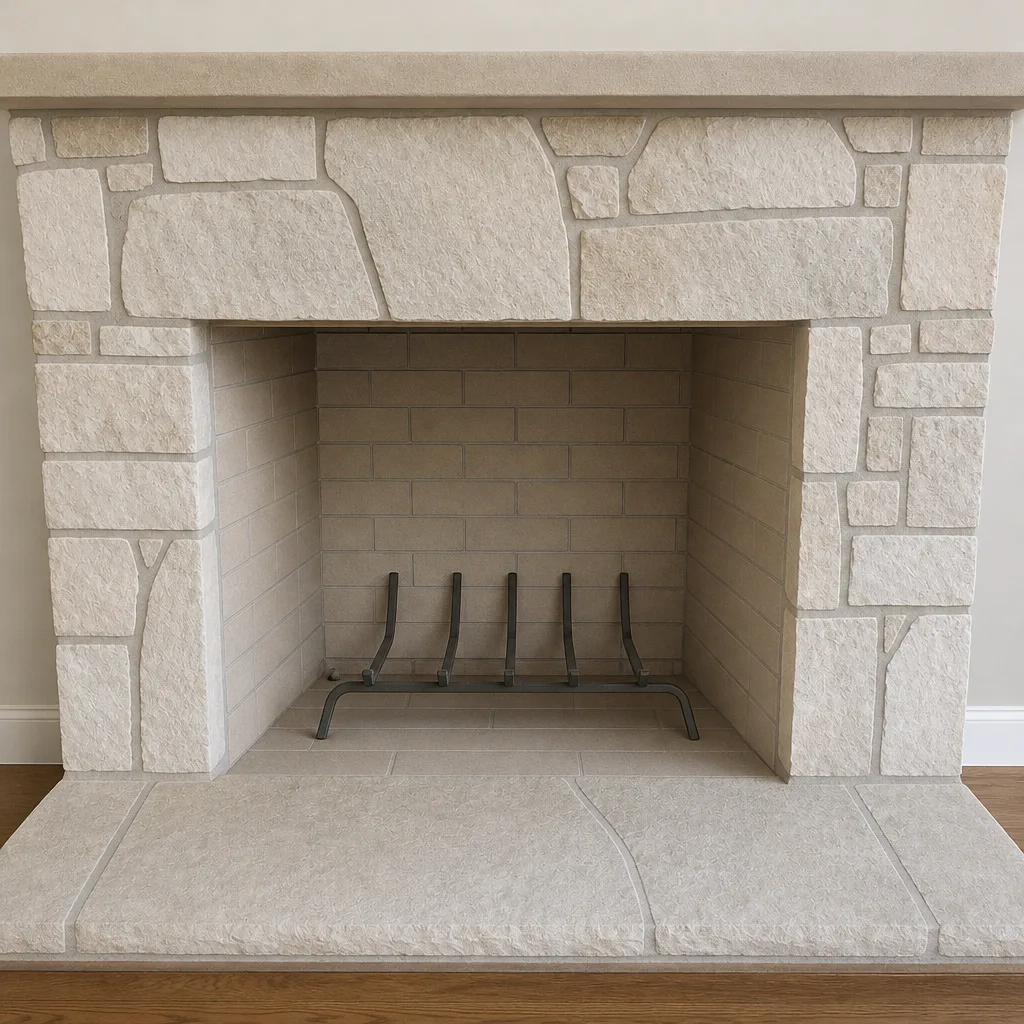
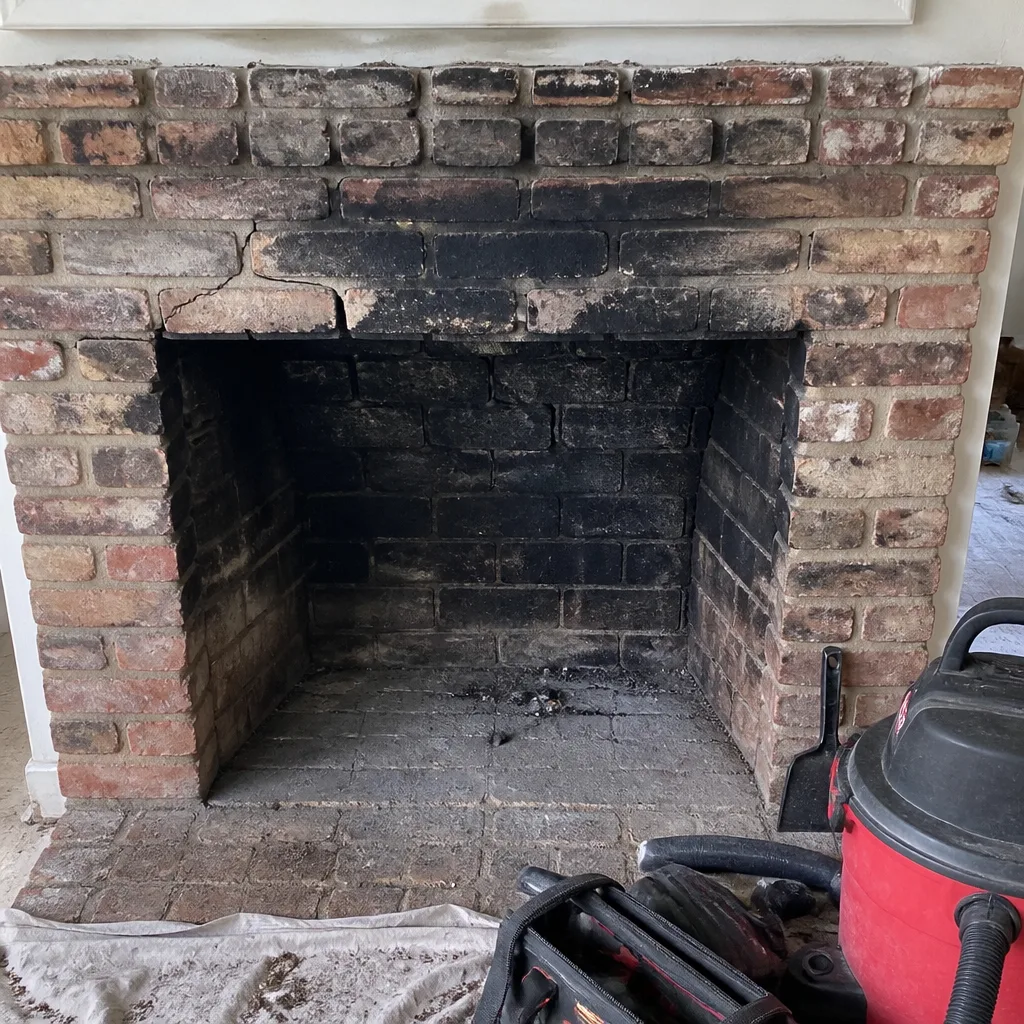
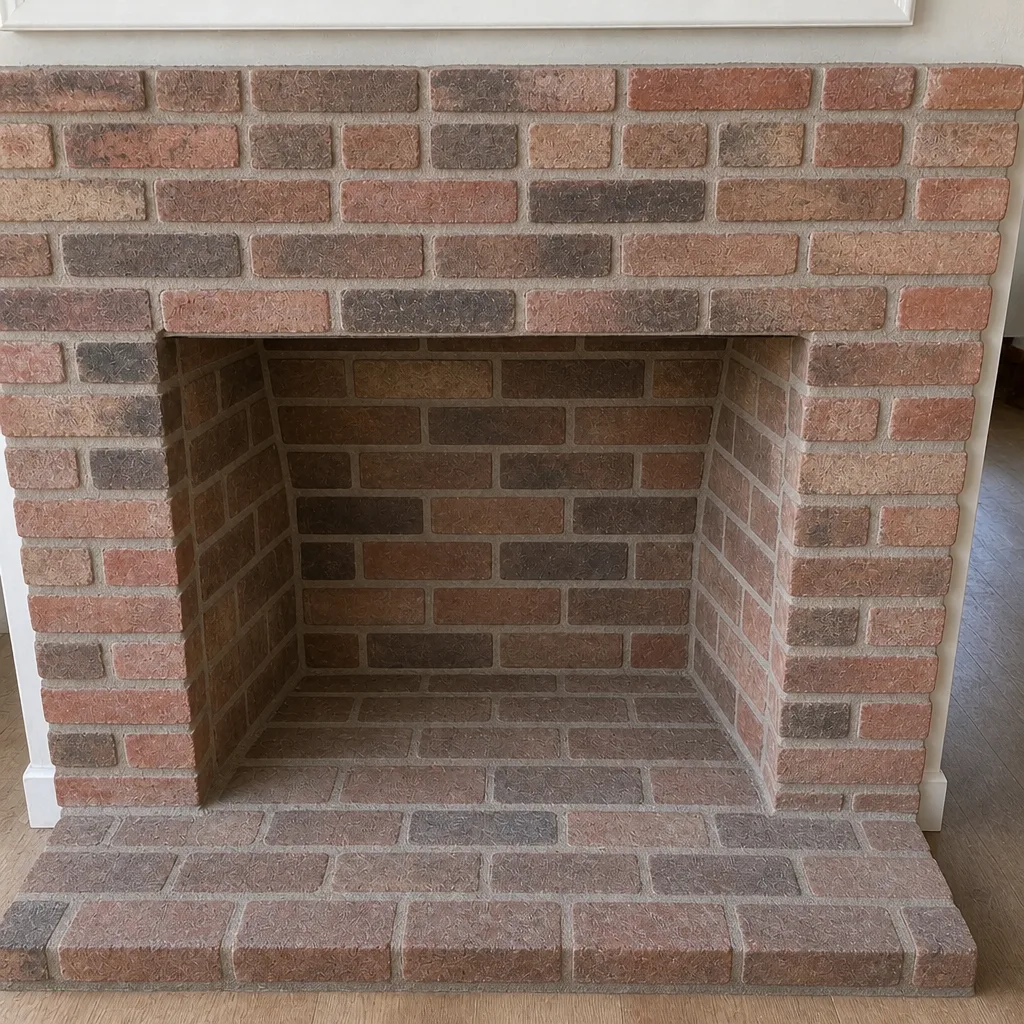
See the difference
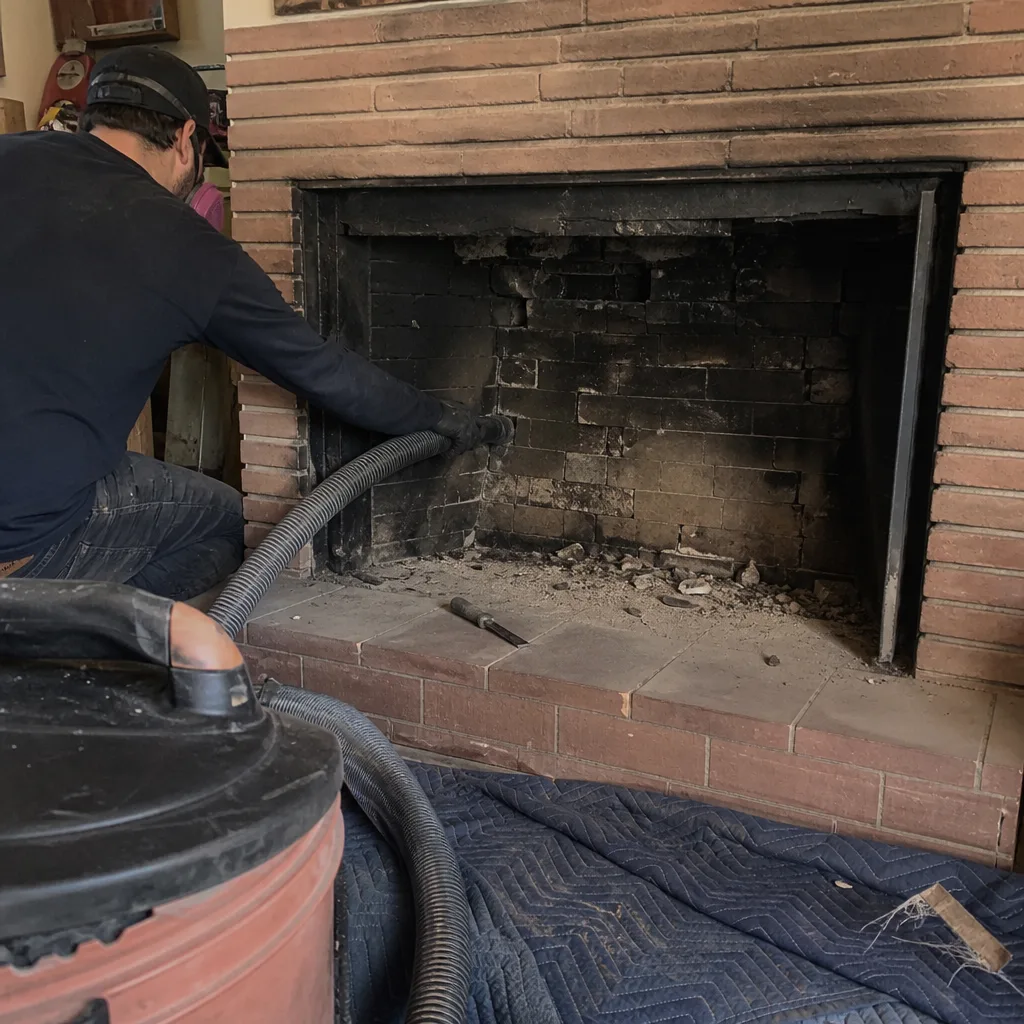 Before
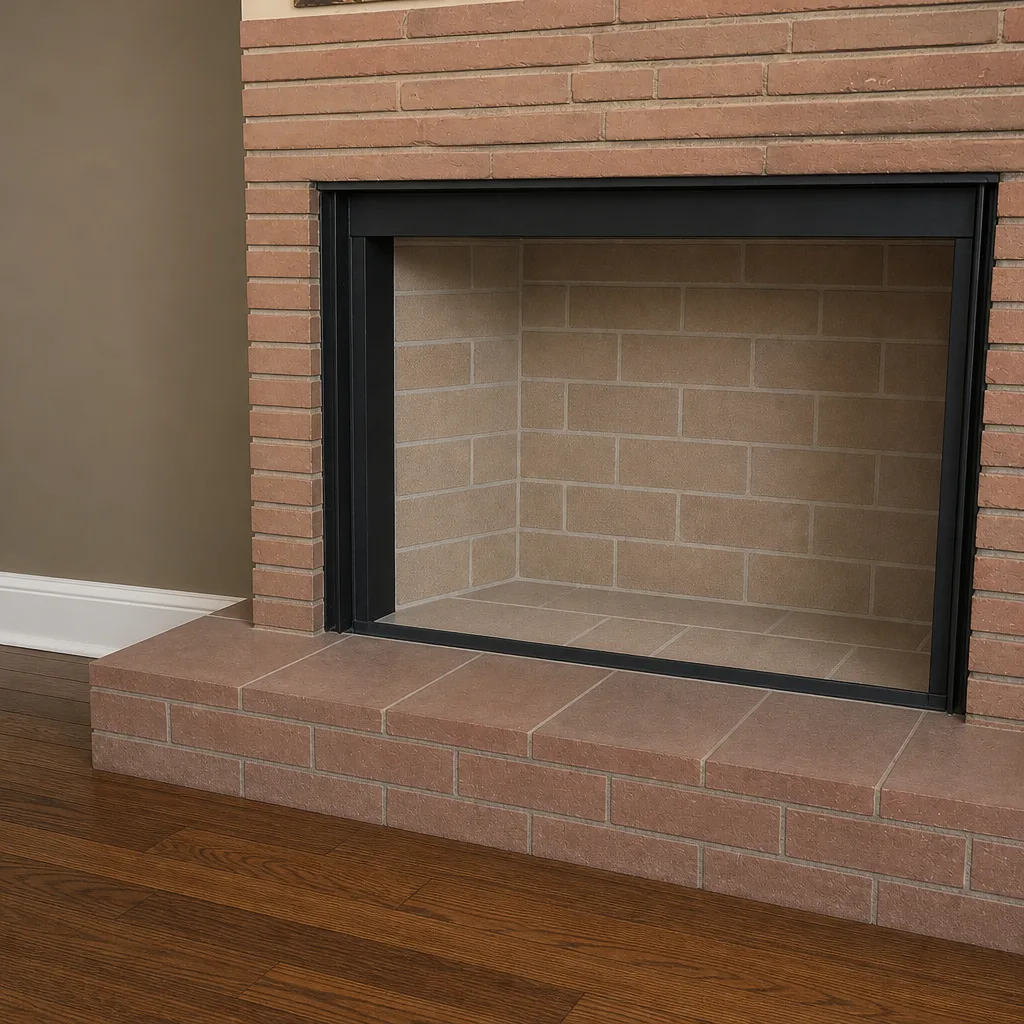 After
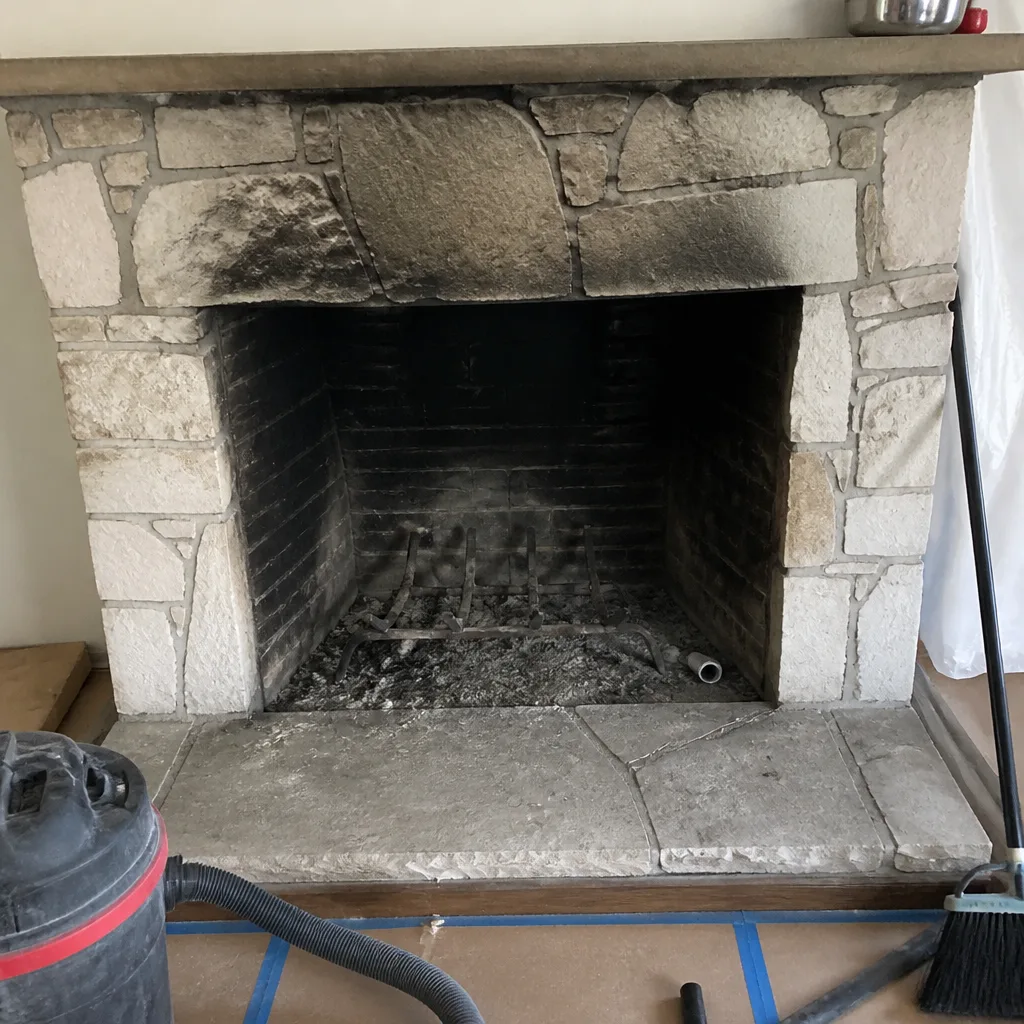 Before
 After
 Before
 After