
Last updated November 5, 2026
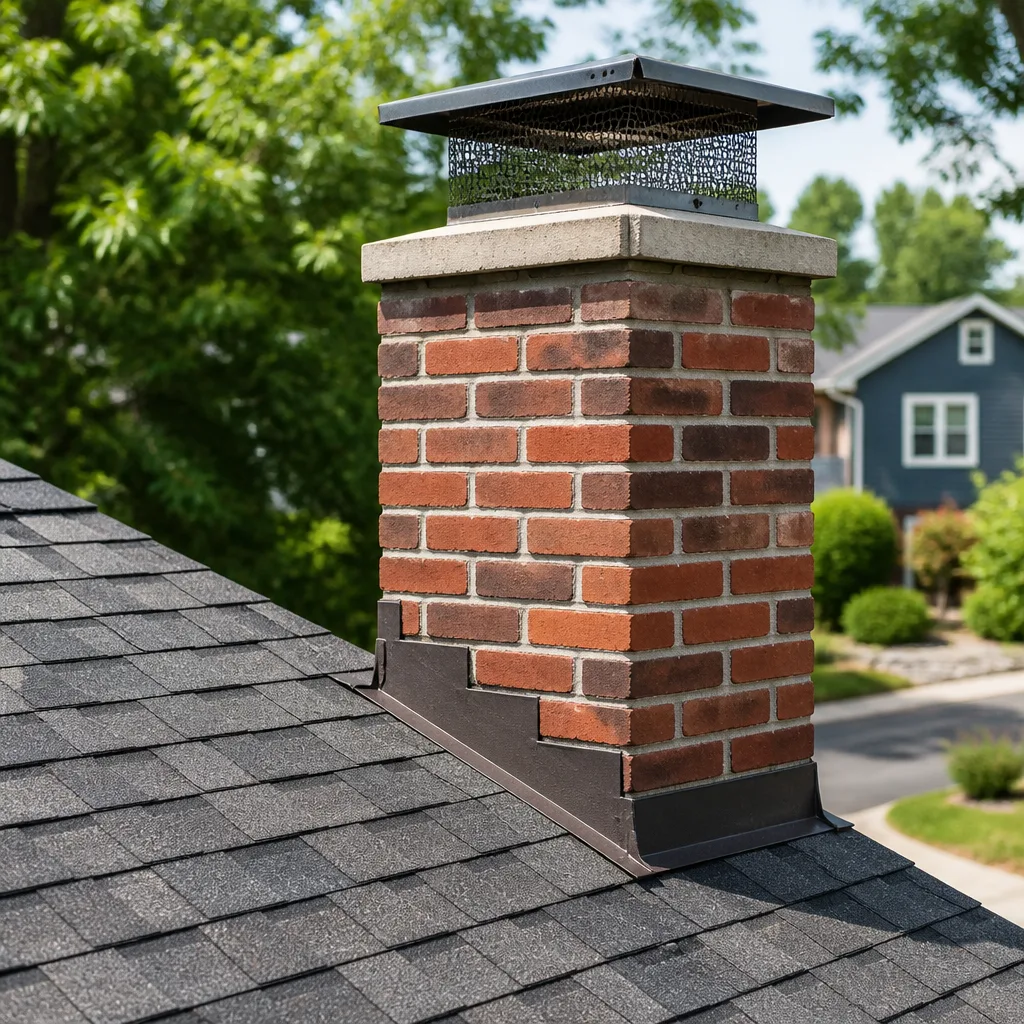 Sweep & inspection
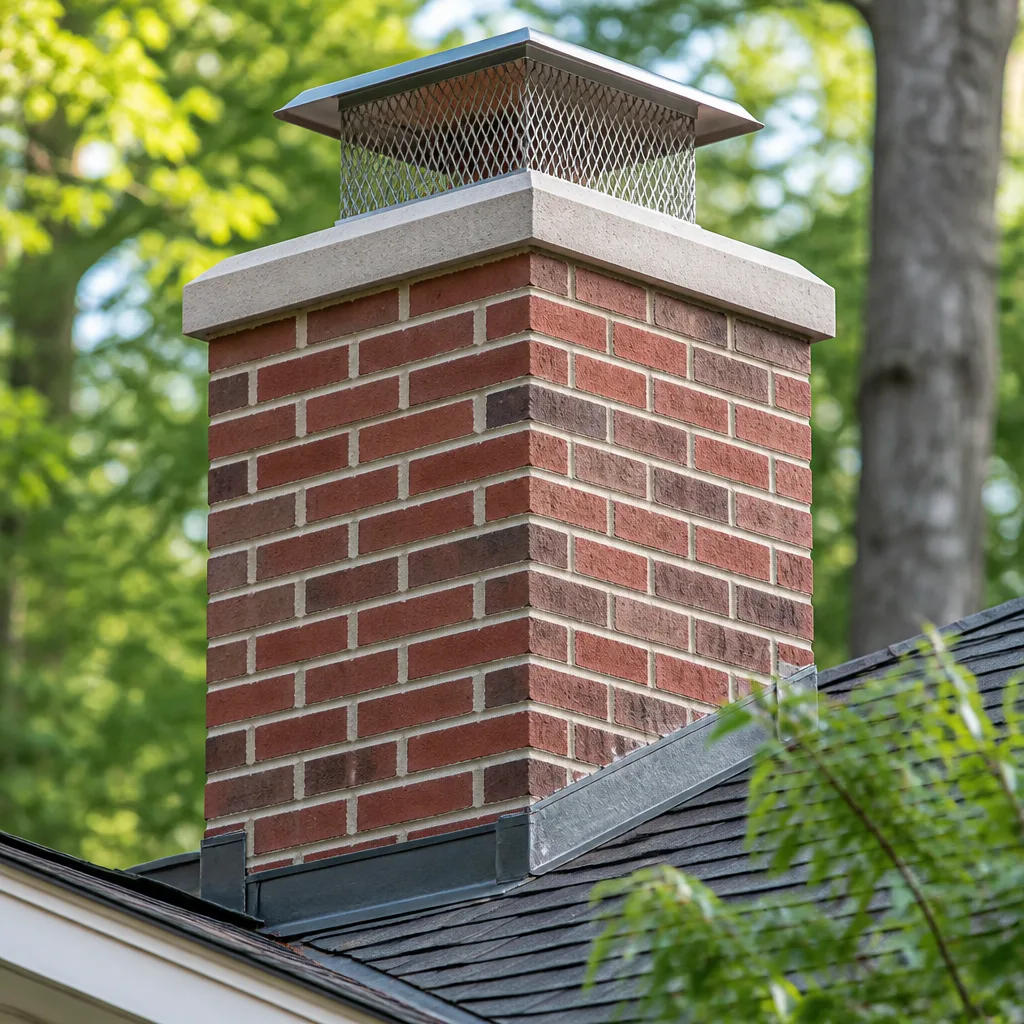 Caps & crowns
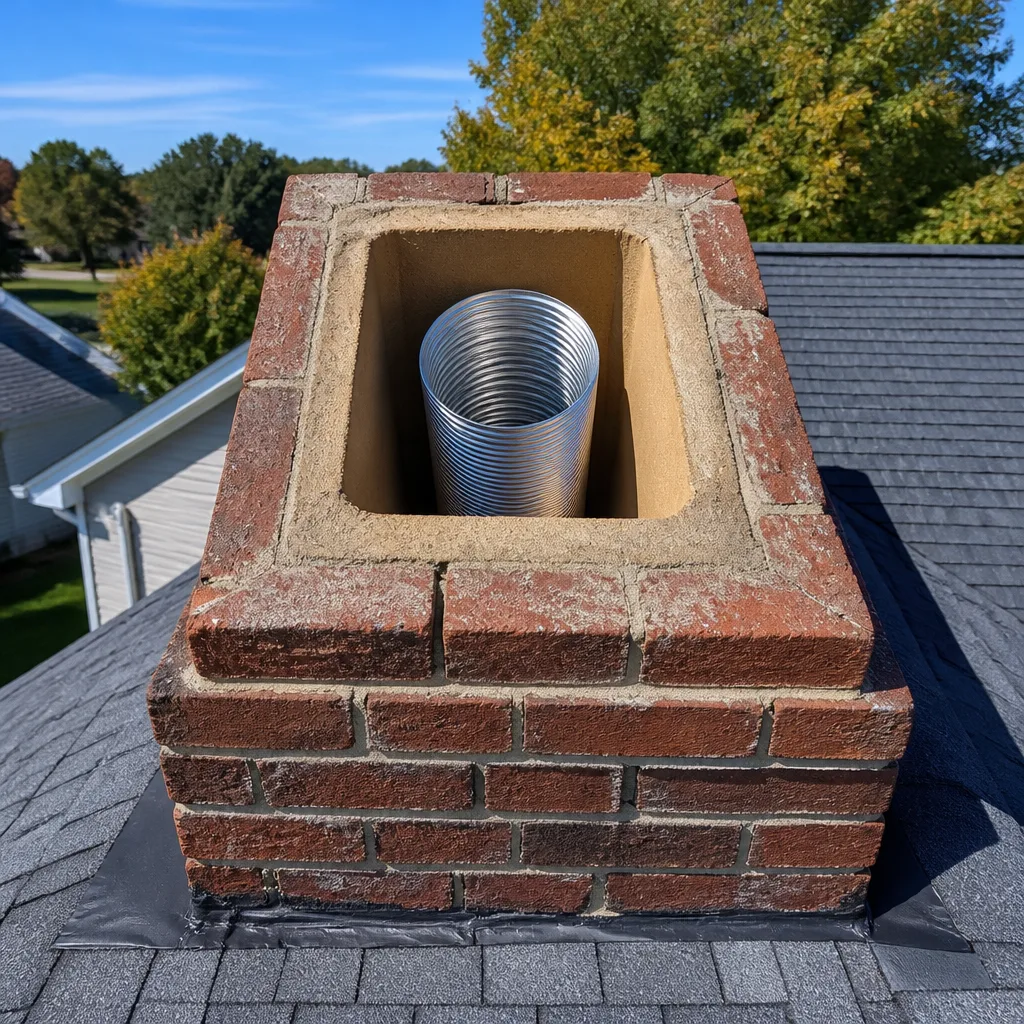 Flue relining
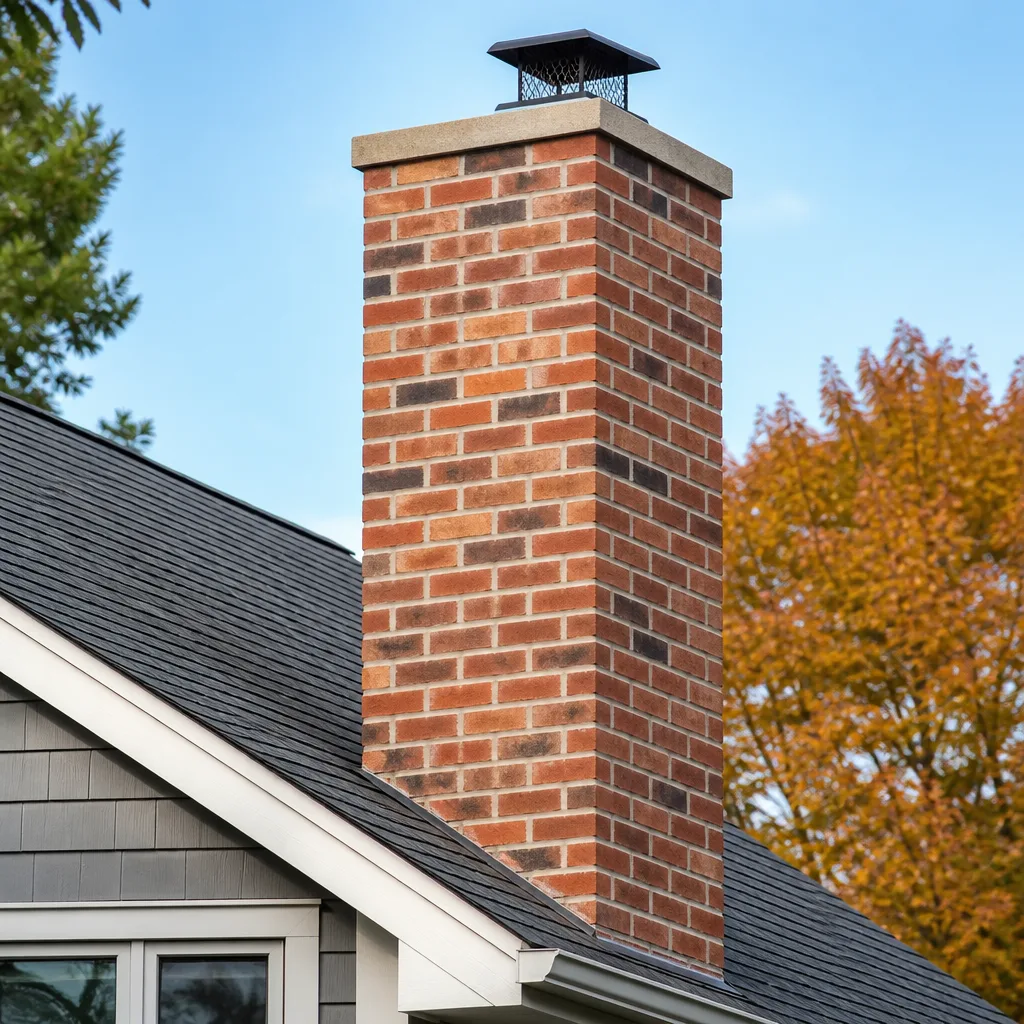 Masonry repair
 Gas fireplace service
Level 1 sweep and inspection to the NFPA 211 annual standard - flue, crown, cap, and flashing checked and photographed
Chimney sweep logs do not sweep chimneys. They loosen some creosote - which then falls where a brush and vacuum still have to collect it.
DIY vs Professional Chimney Cleaning: The Los Feliz Homeowner’s Decision Guide
Most DIY chimney cleaning advice starts with the wrong question. It asks whether you’re brave enough to climb onto your roof with a brush kit from the hardware store. The real question is whether you have the diagnostic equipment and material knowledge to recognize what brushing alone cannot fix. A homeowner can remove Stage 1 creosote with a consumer brush kit. Stage 2 glazed creosote looks almost identical until you start brushing and realize nothing is coming off. This guide explains the technical gap between what a homeowner can accomplish and what a professional chimney sweep evaluates on every visit, with specific attention to the hillside homes and older construction common across Los Feliz.
Quick Answer
DIY chimney cleaning works for light, fluffy ash and early-stage creosote when a homeowner has safe roof access and a proper brush. It cannot address Stage 2 glazed creosote, structural cracks, hidden flue damage, or liner deterioration that requires a camera inspection to see. For most Los Feliz homeowners, the practical answer is a hybrid: handle basic firebox maintenance yourself, and schedule a professional sweep annually so a trained technician can inspect what you cannot see from the rooftop or hearth level.
Styles & brands we work with
- Sweep & inspection
- Caps & crowns
- Flue relining
- Masonry repair
- Gas fireplace service
Table of Contents
- What DIY Chimney Cleaning Can Actually Accomplish
- The Equipment Gap: What Professionals Bring That You Don’t Have
- Understanding Creosote Stages and Why They Matter
- Why Los Feliz Homes Make DIY Riskier
- What You Can Safely Do Between Professional Visits
- The Insurance and Documentation Dimension
- What DIY Actually Costs vs a Professional Sweep
- Common Mistakes to Avoid
- When to Call a Professional
- Frequently Asked Questions
What DIY Chimney Cleaning Can Actually Accomplish
A consumer chimney brush kit does one thing well: it mechanically removes loose, powdery creosote deposits from straight flue sections. If your fireplace sees occasional use and you’re burning properly seasoned hardwood, the creosote accumulation is likely Stage 1, a flaky soot that responds to basic brushing. In our experience, a homeowner with a quality brush sized correctly for their flue can remove this surface layer from an accessible, straight chimney in about an hour of active work.
What most DIY guides fail to mention is that brushing only addresses what the bristles can reach. Flue geometry matters more than effort. Chimneys with offsets, bends, or unusual dimensions common in older Los Feliz construction leave sections that a straight consumer brush cannot touch. Even when the brush does make contact, the homeowner has no way to confirm the result. You’re working blind. Professional sweeps use video inspection before and after cleaning precisely because the visual confirmation at the top of the flue tells you almost nothing about the middle and bottom sections.
Here is what DIY brushing realistically handles:
- Loose ash and soot in the firebox and lower flue
- Stage 1 flaky creosote on straight, accessible flue sections
- Debris that has fallen into the chimney from the cap area
- Basic firebox cleanup between seasonal burns
And here is what it cannot address:
- Stage 2 glazed creosote that requires chemical treatment before mechanical removal
- Stage 3 creosote, which is a tar-like, hardened deposit that often signals a chimney fire has already occurred at low intensity
- Cracked flue tiles or deteriorated mortar joints visible only through camera inspection
- Damaged or improperly sized liners that can allow heat and gases into combustible framing
- Structural issues with the chimney crown, cap, or brickwork above the roof line
The limitation is not effort. It is equipment and diagnostic capability.
The Equipment Gap: What Professionals Bring That You Don’t Have
The difference between a consumer brush kit and a professional sweep setup is not about fancier broom handles. It is about containment, visibility, and verification. Here is what a professional chimney cleaning service uses that a DIY approach cannot replicate:
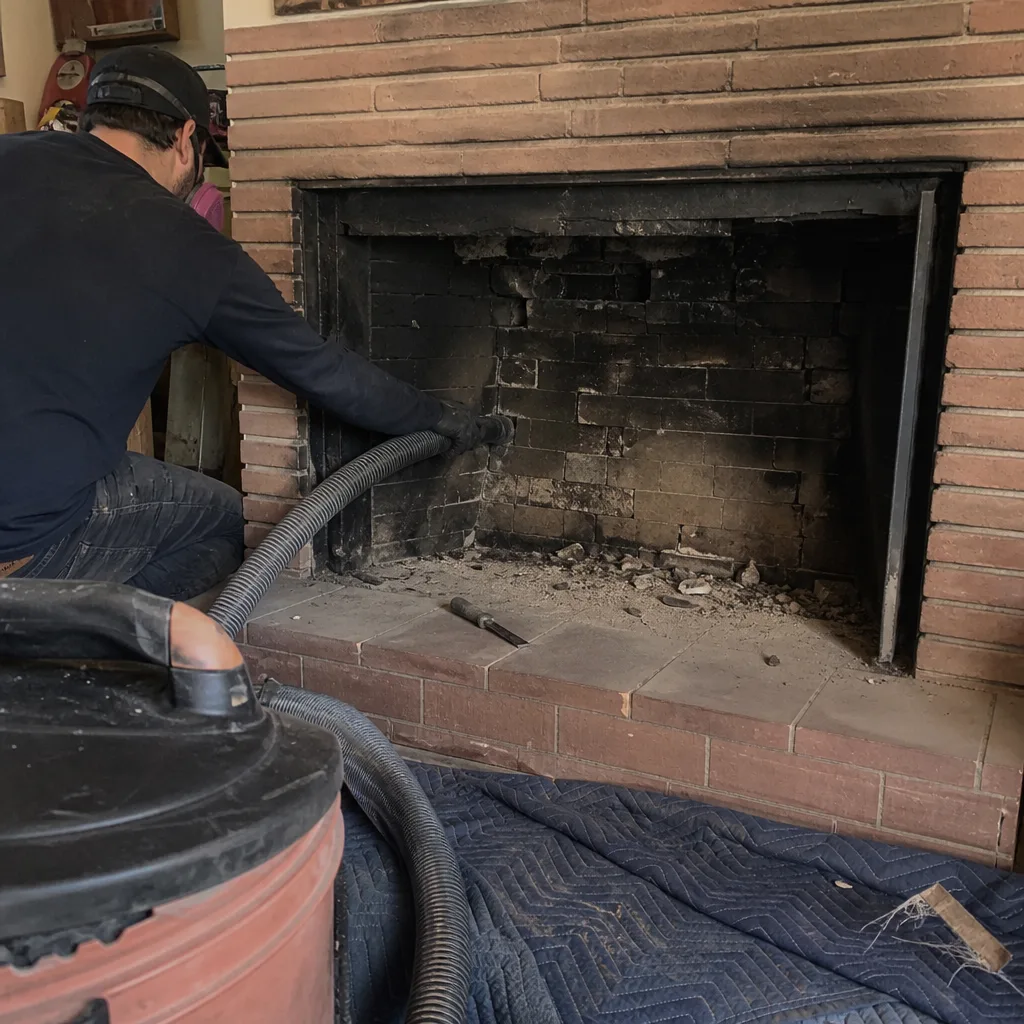
HEPA vacuum containment. A professional sweep runs a high-powered HEPA-filtered vacuum at the firebox opening during the entire cleaning process. This creates negative pressure that pulls loosened debris down and out of the home instead of letting it drift into your living room. Consumer setups typically involve a tarp and a shop vac, which is not sealed for fine particulate and will release some material back into the air.
Rotary cleaning systems. When a standard brush cannot break up stubborn deposits, professionals use rotary cleaning heads driven by flexible rods. These systems spin and scrape simultaneously, removing Stage 2 creosote after chemical treatment and polishing the flue walls in a way that manual brushing cannot achieve. This is especially relevant for chimneys with irregular flue dimensions where a fixed-size brush leaves ridges of deposit behind.
Video inspection capability. This is the single most important diagnostic tool in the professional kit. Before cleaning, a camera inspection identifies the location and severity of creosote buildup, confirms flue integrity, and documents any existing damage. After cleaning, a second pass verifies the work. A homeowner brushing blind has no before data and no after confirmation.
Material knowledge for what comes next. When a camera inspection reveals a crack, a deteriorated liner, or a gap in a mortar joint, a professional can identify the correct repair path before leaving the property. We stock HeatShield resurfacing materials and DuraFlex liner systems so that a damaged flue can often be addressed in the same appointment rather than requiring a second visit after parts arrive. This same-visit repair capability is not something a consumer brush kit purchase includes.
Understanding Creosote Stages and Why They Matter
Creosote is the condensed byproduct of incomplete wood combustion. It forms in three stages, and the stage determines what removal method works. This matters because the visual difference between Stage 1 and Stage 2 is subtle enough to fool a homeowner looking down with a flashlight.
Stage 1 creosote is a light, flaky, gray-brown soot. It responds to basic brushing. If you can see flaky material that falls away easily when scraped with a metal tool, you are dealing with Stage 1. DIY brushing is reasonable here.
Stage 2 creosote is a darker, crustier, glazed-looking deposit. It resists brushing. When a homeowner attempts DIY removal and finds that the brush is sliding over the surface without removing material, that is the tell: you have Stage 2 creosote, which requires a chemical treatment agent designed to break down the glaze before mechanical removal becomes possible. Consumer brush kits are not paired with these chemical treatments, and using them requires understanding dwell time, flue temperature, and proper ventilation.
Stage 3 creosote is a hardened, tar-like coating that often has a shiny, baked look. It forms when creosote has been heated and cooled repeatedly, sometimes following a low-intensity chimney fire. Stage 3 creosote is a serious fire hazard and often requires rotary cleaning or, in severe cases, liner replacement. No consumer tool safely removes Stage 3 creosote, and attempting to do so sends the homeowner onto a roof with scrapers and chemical agents for a job that genuinely warrants professional equipment.
The point about Stage 2 is the one DIY guides miss: it is visually similar to Stage 1 until you attempt to remove it. By the time you realize brushing is not working, you may have already spent an afternoon on the roof and you still need a professional visit. Recognizing this in advance changes the cost-benefit calculation.
Why Los Feliz Homes Make DIY Riskier
Los Feliz is not a coastal town, and winters here are mild enough that freeze-thaw damage is not a realistic concern. The safety issue is geography and architecture. Many Los Feliz homes sit on hillside lots where a chimney rises from a roofline that is already elevated and pitched. A flat-lot single-story home in a grid neighborhood presents one risk profile. A two-story hillside home with a steep roof pitch and a chimney that extends ten or twelve feet above the ridge presents a different one entirely.
Working on a roof in Los Feliz means contending with a few specific realities. Roof pitches on older Spanish Revival and Tudor homes here can be steep enough that a person without proper fall protection equipment is risking serious injury. The chimney itself may be at the highest point of the structure, accessible only across the roof surface. The terrain below does not soften a fall. A professional team arrives with roof ladders, harness anchors, and a safety protocol that has been applied to hundreds of local chimneys. A homeowner with an extension ladder is making a risk decision that a professional has the equipment to mitigate.
Height also matters for access to the full chimney structure. The crown, cap, and upper flue tiles need visual inspection. A homeowner who owns a drone can see some of this, but the camera on a drone cannot feel the integrity of a brick or confirm whether a cap is loose. Physical inspection requires physical access. If the access route involves a steep pitch, a narrow walkway, or a chimney on the downhill side of the roofline, the professional calculation changes.
What You Can Safely Do Between Professional Visits
Homeowners in Los Feliz can handle several maintenance tasks themselves without compromising safety or pretending to replace a professional sweep. These tasks are genuinely useful and save time on a professional visit:
- Firebox ash removal. Cold ashes can be removed with a metal scoop and placed in a metal container. This is safe, simple, and should be done before every professional sweep so the technician starts with a clean firebox.
- Visual cap inspection from the ground. Binoculars work. Check that the cap is in place, not askew, and not visibly damaged. A missing cap means animals can enter, and a damaged cap needs replacement, not just cleaning.
- Draft testing at the firebox. Before lighting a fire, open the damper and hold a smoke match, a thin strip of newspaper, or a lit candle near the damper. If smoke or flame is drawn upward, the flue has draft. If it drifts into the room or wavers, wait to burn and have the flue inspected.
- Monitoring burn behavior. Gray, sluggish smoke is a sign of poor combustion or damp wood. Burn only seasoned hardwood. The creosote burden on your flue drops significantly when you burn dry, split wood in an established hot fire rather than a smoldering one.
- Noticing warnings. A smell of smoke in the house after the fire is out, excessive soot falling into the firebox between fires, or visible smoke entering the room rather than rising are all data points worth reporting to a professional.
What you should not do is scrape the flue walls with improvised tools, use chimney cleaning chemicals without knowing the creosote stage, or attempt to repair damaged mortar, crowns, or caps without professional evaluation. A cap replacement may require selecting between standard stainless units from a supplier like Gelco or Olympia Chimney, and the wrong fit or material creates a new problem.
The Insurance and Documentation Dimension
Home insurance is a real factor that DIY guides rarely mention. If a chimney fire occurs after a DIY cleaning, the homeowner has no third-party documentation of the flue condition at the time of cleaning. The insurance carrier will ask when the chimney was last serviced and by whom. “I cleaned it myself” does not generate a paper trail.
A professional sweep generates a documented service record, typically including the date of service, the condition of the flue before and after, and notes on any recommendations made. If the owner declined a repair that later contributed to a fire, that is a different conversation with the insurer than an owner who was never told about the problem. If the owner accepted the repair, the documentation shows responsive maintenance.
We are not insurance adjusters, and we are not describing a specific claim outcome. We are describing the threshold difference: insurance carriers look for maintenance records when assessing fire claims related to chimneys. A homeowner who has a dated professional inspection and cleaning report is in a materially different position than one who has no record. This is a consequential, practical reason to schedule professional service even if you also do basic maintenance yourself.
We also recommend that Los Feliz homeowners check their specific policy language. Some carriers have exclusions or requirements for solid fuel burning appliances, and your agent can confirm what documentation your policy expects.
What DIY Actually Costs vs a Professional Sweep
Let’s be honest about the DIY cost calculation because it changes once you account for the tools that actually matter. Here is a realistic breakdown for a homeowner who owns none of the equipment:
- Chimney brush kit with rods: $40 to $120 depending on flue size and rod length
- HEPA-rated shop vacuum, if not already owned: $150 to $400
- Safety harness and roof anchor, if the roof pitch requires it: $100 to $250
- Drop cloths, gloves, eye protection, basic respirator: $40 to $80
- Time on the roof and cleanup, typically a full afternoon: 3 to 5 hours
A professional chimney sweep in Los Feliz is typically in the $195 to $350 range for a standard cleaning with inspection, depending on flue height, creosote severity, and access factors. The professional visit includes video inspection, HEPA containment, chemical treatment if needed, and a written report.
The honest comparison is not $50 of brushes versus a $300 service. The honest comparison is $300 to $800 of homeowner-purchased equipment, a full day of labor, and a blind result versus a documented professional service that includes inspection and same-visit repair capability. When the brush kit fails to remove Stage 2 creosote, the homeowner has spent the money and the day and still needs to make the call.
For an exact quote on your chimney, call (833) 467-6692. Estimates are free, and the written estimate sets the final price.
Common Mistakes to Avoid
- Assuming all creosote is brushable. Stage 2 glazed creosote resists mechanical removal until chemically treated. A homeowner who brushes and brushes with no result is not doing it wrong. They are using the wrong tool for the deposit type.
- Cleaning from the bottom with a rod kit but no camera. Bottom-up brushing prevents a roof trip but leaves the crown, cap, and upper flue uninspected. The chimney’s condition above the roofline is exactly where wind-driven rain and cap damage occur in Los Feliz.
- Skipping the dryer vent while focused on the chimney. Many Los Feliz homeowners treat chimney cleaning and dryer vent cleaning as separate to-do items from separate companies. We handle both in a single visit, which eliminates two fire hazards in one scheduled service call.
- Using a wire brush on a stainless liner. Stainless liners require poly brushes. A wire brush damages the liner surface and creates crevices where creosote accumulates more readily.
- Burning unseasoned wood to save money. Wet wood produces heavy smoke and rapidly accelerates creosote buildup. The few dollars saved on unseasoned wood are repaid as more frequent cleaning, or worse.
- Waiting until the fireplace smells like smoke while not in use. That smell is a symptom. It often means the flue is restricted or the damper is not seating correctly. Waiting turns a simple cleaning into a more involved repair.
When to Call a Professional
Call a professional chimney service in Chimney Sweep Los Feliz when you see any of the following: the brush is not removing the deposit, indicating Stage 2 or Stage 3 creosote; smoke enters the living space instead of rising through the flue; you notice crumbling brick or mortar on the roof or in the firebox; animals have nested in the chimney; or the home is new to you and there is no service history for the fireplace. Also call before burning season if the last professional sweep was more than a year ago, regardless of how much the fireplace has been used.
Chimney Sweep Los Feliz offers free estimates in Los Feliz. Call (833) 467-6692. We answer 24/7. Fast dispatch from 7am to 7pm, Sunday through Friday.
Frequently Asked Questions
A professional chimney sweep in Los Feliz typically runs between $195 and $350 for a standard cleaning with inspection, depending on flue height, creosote severity, and roof access. The written estimate sets the final price before work begins. Call (833) 467-6692 for an exact quote, estimates are free.
Annual professional cleaning is the baseline for any fireplace used regularly during the cooler months. Even if you burn only a few fires each winter, an annual inspection catches issues that an unused chimney develops over time, such as cap damage, animal nesting, and moisture intrusion. If you burn more than two cords of wood per year, a mid-season check may be warranted.
Yes, for Stage 1 flaky creosote on a straight, accessible flue. No, for Stage 2 glazed creosote, which requires chemical treatment before mechanical removal, and no for any chimney with bends, offsets, or irregular flue dimensions. The practical limitation is diagnostic: without a camera, you cannot confirm what you removed or what remains.
The flue accumulates creosote in proportion to your burn volume and wood moisture content. One skipped year may be inconsequential for a light-burning household with dry wood, or it may leave a Stage 2 deposit that requires chemical treatment the next time. The risk you cannot see is the fire hazard. Creosote is combustible, and a flue lined with it can support a chimney fire that damages the liner and, in severe cases, the surrounding framing. Schedule an inspection and let the camera tell you whether you can wait.
Not technically at the same frequency, but many Los Feliz homeowners schedule both in the same visit because we offer commercial-grade vent cleaning for the dryer alongside chimney sweeping. Both are fire hazards when neglected, and a single appointment eliminates both. Famco and Gelco venting components are stocked on the service truck if cap or vent replacements are needed at the time of inspection.
This depends entirely on the flue condition and cannot be determined without a camera inspection. Some flue damage can be addressed with resurfacing rather than full relining. We use HeatShield-certified application methods for flue resurfacing, and we stock DuraFlex flexible liner systems for full relining when it is genuinely required. The camera shows you the basis for any recommendation, so you are not being sold work you cannot verify.
The Bottom Line
DIY chimney cleaning has a legitimate place for a homeowner with a simple, straight flue and Stage 1 creosote. The limit of the DIY approach is not effort. It is equipment and diagnostic capability. A brush kit cannot see cracks, cannot reach offset sections, cannot treat glazed creosote, and cannot generate the documentation that matters if a fire occurs. The smarter approach for most Los Feliz homeowners is the hybrid: handle firebox maintenance and visual draft checks yourself, and schedule a professional sweep annually so a camera confirms the condition of the flue you are trusting to contain fire and vent gases safely above your home.
Written by the team at Chimney Sweep Los Feliz, serving Los Feliz since 2011.
See the difference
 Before
 After
 Before
 After
 Before
 After